Chronicle Editor
Sharon Chimenya, Masvingo Correspondent
With the country anchored to become an upper middle income economy by 2030, Government is working on various initiatives meant to transform agricultural systems in rural setups to encourage farmers to take up farming as a business.
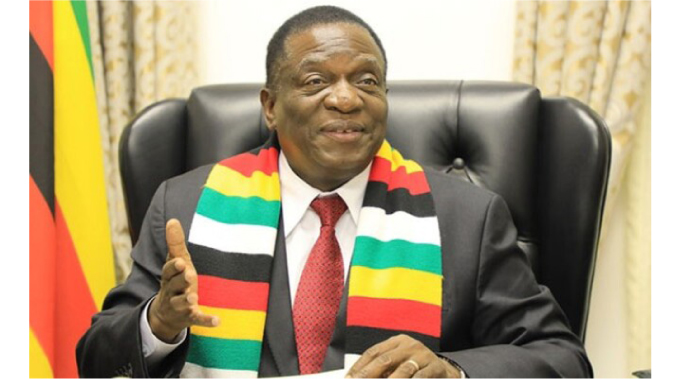
President Mnangagwa has been quoted saying in line with the Second Republic’s policy of leaving no one and no place behind, rural development initiatives are a significant milestone in improving the welfare and livelihoods of Zimbabweans.
The country has previously been famed for being the breadbasket of the region and is with no doubt set to reclaim its former glory through rural development programmes.
Since the inception of the Second Republic, Government has been working on ensuring that people in rural communities are incorporated in the agenda to build the economy and the recently launched Presidential Poultry Scheme and the Presidential Goat Pass on Scheme will see communities being employed while in the villages.
Minister of Lands, Agriculture, Fisheries, Water and Rural Development Dr Anxious Masuka said it is through the development of agriculture that leads to rural industrialisation, which will result in the attainment of vision 2030.
He said it is the duty of his ministry to ensure the transformation of farming systems of A1 farmers to commercial farming and of A2 farmers to successful entrepreneurs.
“It’s agriculture that must anchor the transformation of our country towards Vision 2030 because 61 percent of the population, as per the recent census, are in rural areas. The 9,2 million Zimbabweans who earn their living from substantive agriculture. Our challenge is to transform them from being subsistence oriented farmers to surplus oriented farmers and become economic participants not just mere spectators in economic development. The challenge is to transform A1 farmers, 360 000 of them, from surplus oriented farmers to commercial farmers and indeed the challenge is to transform the 23 000 A2 farmers from commercial farmers to perennial successful entrepreneurs. No challenge can stand in our way and no challenge is insurmountable if we apply our minds collectively.”
The rural development 8.0 policy has eight components which are the Presidential Input Programme-Pfumvudza/Intwasa, Presidential Input Programme for Cotton, Presidential Rural Development which is expanded to include the Presidential Borehole Drilling Scheme and the Presidential Communities Fisheries Programme, Presidential Blitz Tick Grease programme, which seeks to ensure that cattle owning households are able to prevent the recurrence of January disease. There is also the Presidential Rural Poultry Programme and the Presidential Goat Pass on Scheme.
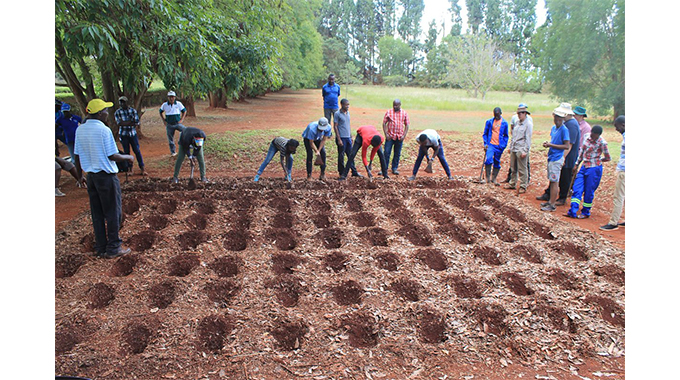
“Rural development 8.0 anchors on transformation for the attainment of vision 2030 and it is agricultural development which will lead to rural industrialisation and that rural industrialisation will lead to rural development and that rural development will facilitate the attainment of the vision 2030,” said Dr Masuka.
The ministry has also embarked on transforming agriculture education from 2.0 to 5.0 which, like that of the Ministry of Higher and Tertiary Education, Science and Technology Development, encourages innovation and entrepreneurship.
“You have heard of the Ministry of Higher and Tertiary Education, Science and Technology Development talking about education 5.0 and the transformation of that higher technology space to ensure that it anchors innovation and science based innovation culture which is developmentally oriented. We have also transformed our agriculture colleges from Agricultural Education 2.0 focused on extension and training to Agriculture for Development 5.0, including innovation entrepreneurship so that we have graduates that are ready to take up farming as a business,” said Dr Masuka.
Government is aiming to enhance agricultural production through irrigation development with a target of 350 000 hectares and is working on drilling at least 35 000 boreholes for rural communities.
In Musakanda Village under Chief Charumbira in Masvingo, about 60 households have been employed at the one-hectare Sipambi Nutritional Garden, which has been transformed into a business and is expected to generate about US$17 300 per cycle.
This translates to about US$69 000 per year excluding proceeds from the fish pond.
Sipambi Nutritional Garden manager Mr Tafadzwa Ngandu said villagers working at the garden will share the profits in addition to their monthly salaries.


 Online Reporter