Tendai Gukutikwa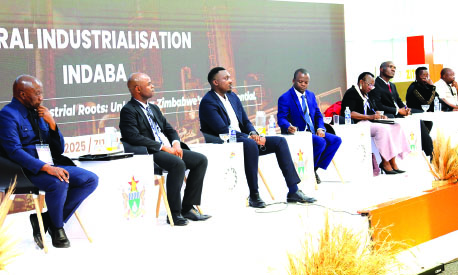
RURAL industrialisation is a crucial step towards transforming Manicaland Province’s economic landscape.
By establishing industries in rural areas, the province can unlock new opportunities for economic growth, job creation and improved living standards. One of the primary benefits of rural industrialisation is its potential to reduce poverty and inequality. By providing employment opportunities in rural areas, industries can help reduce the income gap between urban and rural communities.
This, in turn, can lead to improved access to education, healthcare and other essential services. Rural industrialisation can also help to stem the flow of rural-urban migration, which can put a strain on urban infrastructure and services.
By providing opportunities for employment and economic growth in rural areas, industries can help to retain skilled workers and entrepreneurs, reducing the brain drain that often accompanies rural-urban migration.
By establishing a diverse range of industries, including manufacturing, processing and services, Manicaland Province can reduce its vulnerability to economic shocks and promote sustainable economic growth. The establishment of industries in rural areas can also have a positive impact on infrastructure development. Industries often require good road networks, reliable energy supply and other infrastructure, which can benefit the local community and improve access to markets, services and opportunities.
In Manicaland Province, rural industrialisation can also help to unlock the potential of the province’s natural resources, including its agricultural produce, minerals and tourism attractions.
The province is endowed with fertile land, favourable climate and abundant water resources, making it an ideal location for agriculture.
However, the province’s agricultural sector is often characterised by low productivity, limited value addition and inadequate market access.
Rural industrialisation can help to address these challenges by establishing agro-processing industries that can add value to the province’s agricultural produce. For instance, industries such as food processing, canning and packaging can help to preserve and market the province’s agricultural produce, increasing its value and creating new opportunities for farmers and rural communities.
In addition to agriculture, Manicaland Province is also rich in mineral resources, including gold, diamond, phosphate and lithium.
However, the province’s mineral resources are often extracted and sold in raw form, with limited value addition taking place locally. Rural industrialisation can help to unlock the potential of the province’s mineral resources by establishing industries that can process and refine these resources. For example, industries such as mineral processing, polishing and refining can help to add value to the province’s mineral resources, creating new opportunities for economic growth and employment.
Tourism is another sector that can benefit from rural industrialisation in Manicaland Province.
The province is home to numerous tourism attractions, including the scenic Nyanga Mountains, Nyanga National Park, Mutarazi Falls, Honde Valley, Vumba, Chimanimani Mountains, Nyachowa Falls, Hot Springs and Matendera Ruins.
However, the province’s tourism sector is often limited by inadequate infrastructure, limited accommodation facilities and lack of value-added tourism products.
Rural industrialisation can help to unlock the potential of the province’s tourism sector by establishing industries that can provide value-added tourism products a0nd services.
For instance, industries such as craft production, agro-tourism and eco-tourism can help to create new opportunities for rural communities to benefit from tourism, while also promoting sustainable tourism practices.
Overall, rural industrialisation has the potential to transform Manicaland Province’s economy and improve the lives of its residents. It is essential for policymakers and stakeholders to work together to create a conducive environment for industries to thrive in rural areas, including providing incentives, infrastructure and support services. With the right policies and support, rural industrialisation can help to unlock the province’s economic potential and promote sustainable economic growth and development.


 Online Reporter