Online Reporter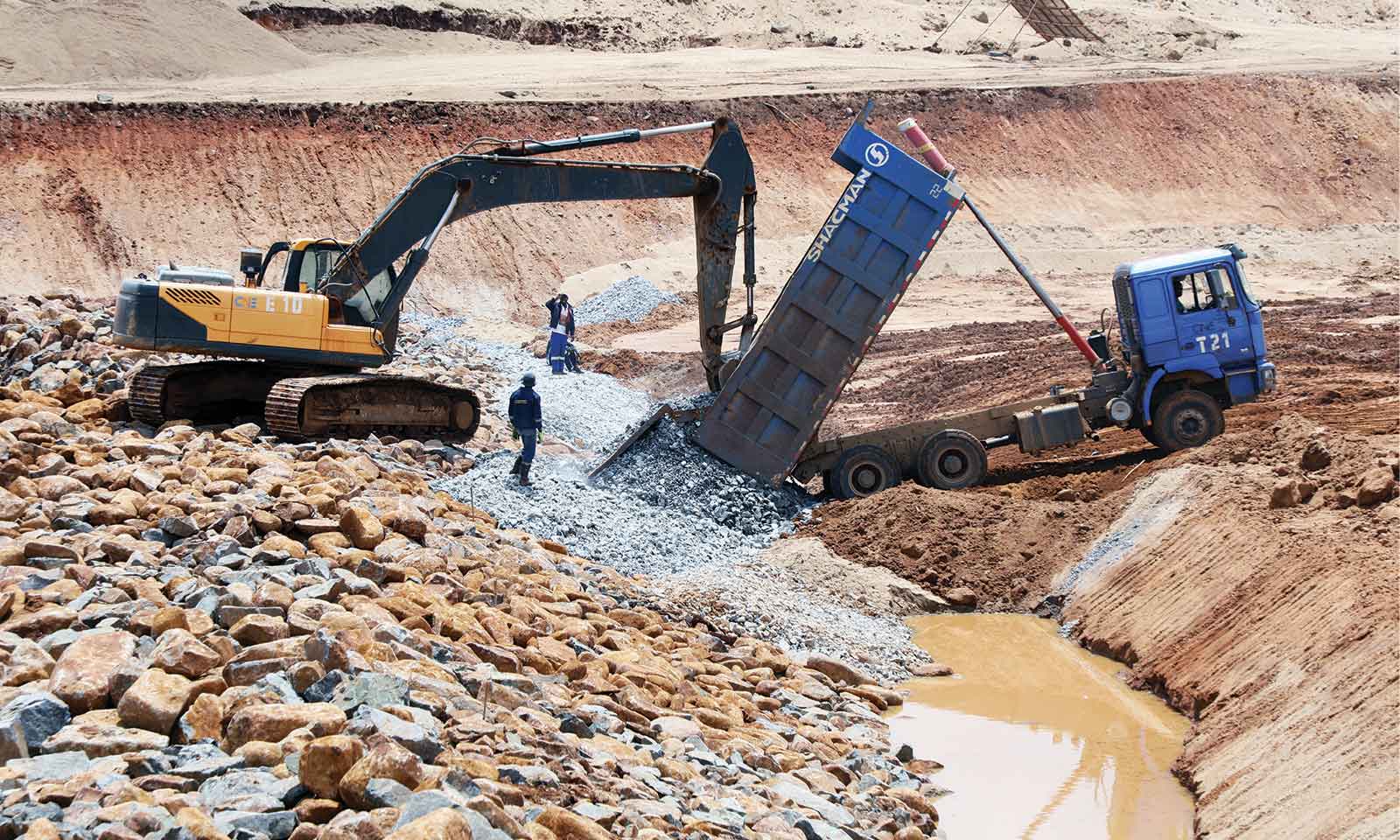
Shadreck Muchaku
Herald Correspondent
I WAS born under a thatched roof in a village between the Chivake and Nyazvidzi rivers, raised on sadza and the rhythm of the seasons.
Like many Zimbabweans, I have ploughed fields with oxen, carried water from distant wells and watched entire harvests vanish after a single dry spell.
That is why each time I return home and see dams rising from former riverbeds, women earning a steady income from poultry instead of worrying about their next meal and boreholes being drilled where such developments once seemed impossible, I feel a deep sense of pride.
Witnessing such change in the places that shaped me remains one of the most fulfilling experiences of my life.
Today, Zimbabwe is crafting a future that defies the limits imposed by climate hardship.
At the centre of this transformation is the Pfumvudza/Intwasa programme, a practical, conservation-based farming approach that has helped millions of smallholders improve yields even in erratic seasons.
Through mulching, precision planting and crop rotation, families who once harvested two bags of maize now fill granaries. With more than 1,8 million households participating, the impact is visible with children attending school with full stomachs and fewer community members relying on emergency grain.
This is climate adaptation rooted in local knowledge and national resolve.
Water security, long a defining challenge for rural communities, is steadily improving. Muchekeranwa Dam is an irrigating field in Mashonaland East; the nearly completed Kunzvi Dam promises a stable water supply for Harare and the advancing Lake Gwayi-Shangani offers hope for long-awaited development in Matabeleland North and Bulawayo. These projects bring us closer to achieving SDG 6 and SDG 13 and represent meaningful progress towards long-term resilience.
SDG 6 is the United Nations Sustainable Development Goal focused on ensuring clean water and sanitation for all, aiming for universal access to safe, affordable drinking water, adequate sanitation/hygiene, improved water quality, efficient water management, and ecosystem protection by 2030, recognising water’s vital role in health, education, poverty reduction and overall planetary survival.
SDG 13 or Climate Action, is the United Nations Sustainable Development Goal focused on taking urgent action to combat climate change and its impacts, aiming for a climate-neutral world by mid-century, limiting warming to 1,5°C, and strengthening resilience, especially in vulnerable nations.
Across districts such as Buhera, livelihoods are changing. The Austrop poultry programme, supported by the Government and strengthened by Great Zimbabwe University’s training and hatchery services, has enabled thousands of households, especially women-led ones, to generate reliable income from eggs and meat.
Sitting with these women as they calculate their profits under Musasa trees has shown me what empowerment truly looks like.
Connectivity has now reached rural communities such as Chimombe Village in Chiguhune, which were once entirely offline. New base stations and fibre networks allow farmers to receive weather forecasts, market prices and early warnings on their phones. More than 70 000 rural residents have been trained in basic digital skills. When information is accessible, communities become more agile and resilient.
Roads, the essential arteries of development, are being rehabilitated and expanded.
The Harare-Beitbridge highway is improving mobility and commerce, while secondary and feeder roads now connect villages that were once isolated.
This results in fresher produce in markets, faster emergency responses and lower transport costs for farmers.
Our universities are also engaging more directly with communities. Institutions such as Great Zimbabwe University, Marondera University and Midlands State University are collaborating with farmers and the Grain Marketing Board to process and commercialise traditional grains such as millet and sorghum.
With improved storage, milling and packaging, post-harvest losses are decreasing and incomes are rising, contributing to local food security.
These successes are interconnected. Each Pfumvudza plot, dam wall, chicken coop and kilometre of tarred road forms part of a broader national vision — one aimed at building an upper-middle-income society by 2030.
The progress towards SDG 1 (no poverty), SDG 2 (zero hunger), SDG 5 (gender equality), SDG 9 (infrastructure) and SDG 13 (climate action) reflects the persistence and ingenuity of ordinary Zimbabweans.
“Having grown up fearing each new drought, I am moved by the determination with which my country is shaping its own future.
“We are writing a new story; one of resilience, innovation and steady progress. Much more can and must be done.
Progress requires consistency and we cannot afford to regress. Government must not only continue supporting communal farmers, but also strengthen monitoring to ensure assistance reaches those for whom it is intended, especially farmers genuinely committed to production rather than merely seeking support.
Climate services and digital skills training must continue to expand to reach even the most remote communities.
Cooperative projects should be introduced and scaled up, including fisheries and other value-chain initiatives that leverage Government-led dam infrastructure.
Sustained, targeted and transparent support will ensure that the gains made today become the foundation for long-term rural transformation.