


 Online Reporter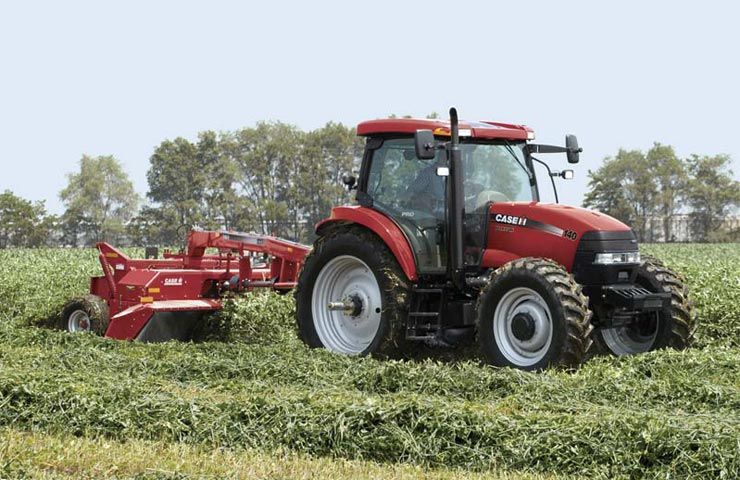
Joseph Madzimure in ST PETERSBURG, Russia
IN a bid to support the country’s agricultural mechanisation drive, Russia’s Kirov Plant in St Petersburg has offered to train Zimbabwean engineers in assembling advanced new-generation tractors.
This emerged on the sidelines of the Global Food Security Conference held here last week, where Russia invited African journalists from various countries.
To modernise its agriculture, the transcontinental country has prioritised heavy investment in fertiliser plants, advanced farming research and domestic tractor production.
The journalists were taken to a number of projects to see how Russia is overcoming the impact of sanctions from the United States and its European allies.
On Thursday, the African media team was taken on a tour of Kirov, one of Russia’s largest tractor manufacturing plants.
In an interview on the sidelines of the tour, Kirov’s head of public relations Mr Mikhail Velikosely said they aim to make Zimbabwe a strategic partner and hub for agricultural mechanisation for the Southern African Development Community (SADC) region.
“We are aware that Zimbabwe has the best human resources in Africa. We are willing to have Zimbabwean engineers come to Russia to learn how to assemble the new model of tractors, which are suitable for African conditions,” he said.
“We are currently training technicians from African and Asia countries on how to manufacture this new model of tractors.”
The company takes only about 45 minutes to assemble one tractor.
Mr Velikosely said Kirov’s tractors are among the biggest in the world.
“We are willing to work with Zimbabwean engineers to share our knowledge and work towards the development of their country,” he said.
During the tour, journalists were also shown how Russia is managing food security and exports to various destinations, particularly Africa.
Russia has implemented strategic measures, including targeted financing for key agricultural enablers, to strengthen the sector.
Zimbabwe and Russia enjoy cordial relations, which date back to the liberation struggle, when the giant Eurasian nation supported liberation fighters.
Both countries have also been put under sanctions by Western countries.
Harare and Moscow have since turned
to local solutions to bolster their economies.


 Online Reporter