Online Reporter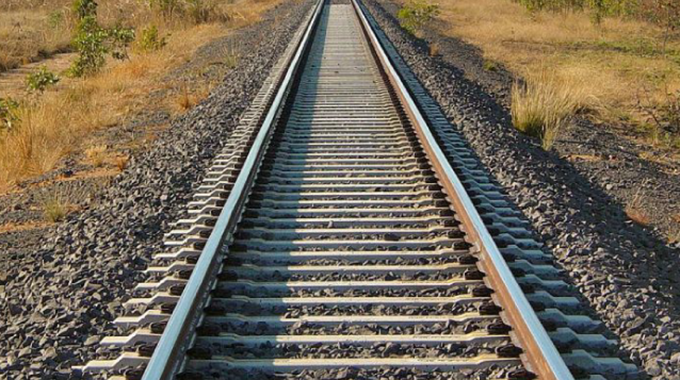
George Maponga
Masvingo Bureau
THE strategic Rutenga–Sango railway line is set for a major overhaul under the US$6,5 billion Ponta Techobanine Railway Project, a landmark tri-national infrastructure initiative designed to transform regional trade by linking Botswana, Zimbabwe and Mozambique to a new deep-sea port on the Indian Ocean.
The project will involve the construction and upgrading of a 1 700-kilometre railway corridor stretching from Botswana, through Zimbabwe, and terminating at a planned 20-metre-deep port at Techobanine in Mozambique.
Once complete, the port is expected to handle about 20 million tonnes of cargo annually, significantly boosting exports of coal, steel and other bulk commodities from landlocked countries such as Zimbabwe and Botswana.
As part of the initiative, Zimbabwe’s rail infrastructure from the Botswana border to Sango, at the Mozambique frontier, will be extensively upgraded to accommodate heavier and higher volumes of cargo traffic.
The revamp will include the installation of new culverts, replacement of worn-out rails and, in particularly fragile sections, a complete reconstruction of the rail formation.
The urgency of the upgrade has been underscored by recent heavy rains in southern Masvingo Province, which have exposed the vulnerability of the Rutenga–Sango line.
In one incident, a National Railways of Zimbabwe cargo train derailed in the Makambe area of Chikombedzi while en route to Maputo after flash floods damaged the railway’s foundation.
NRZ spokesperson Mr Andrew Kunambura confirmed that plans were already in place to overhaul the strategic line under the Ponta Techobanine project, which he said would fundamentally transform rail connectivity between the three countries.
“There are existing plans to strengthen the Rutenga–Sango railway line under the Ponta Techobanine project, which will be implemented jointly with Mozambique and Botswana,” said Mr Kunambura.
“This project recognises that the line is a vital trade route for all three nations.”
He said the project would go beyond routine maintenance, involving the installation of new culverts, new rails and a complete redo of sections of the line to improve resilience against extreme weather events.
“These are plans already in motion, with agreements between the three nations being finalised at both shareholder and operational levels,” he said.
Mr Kunambura acknowledged that the recent derailment had highlighted the fragile state of the railway infrastructure along the corridor.