Online Reporter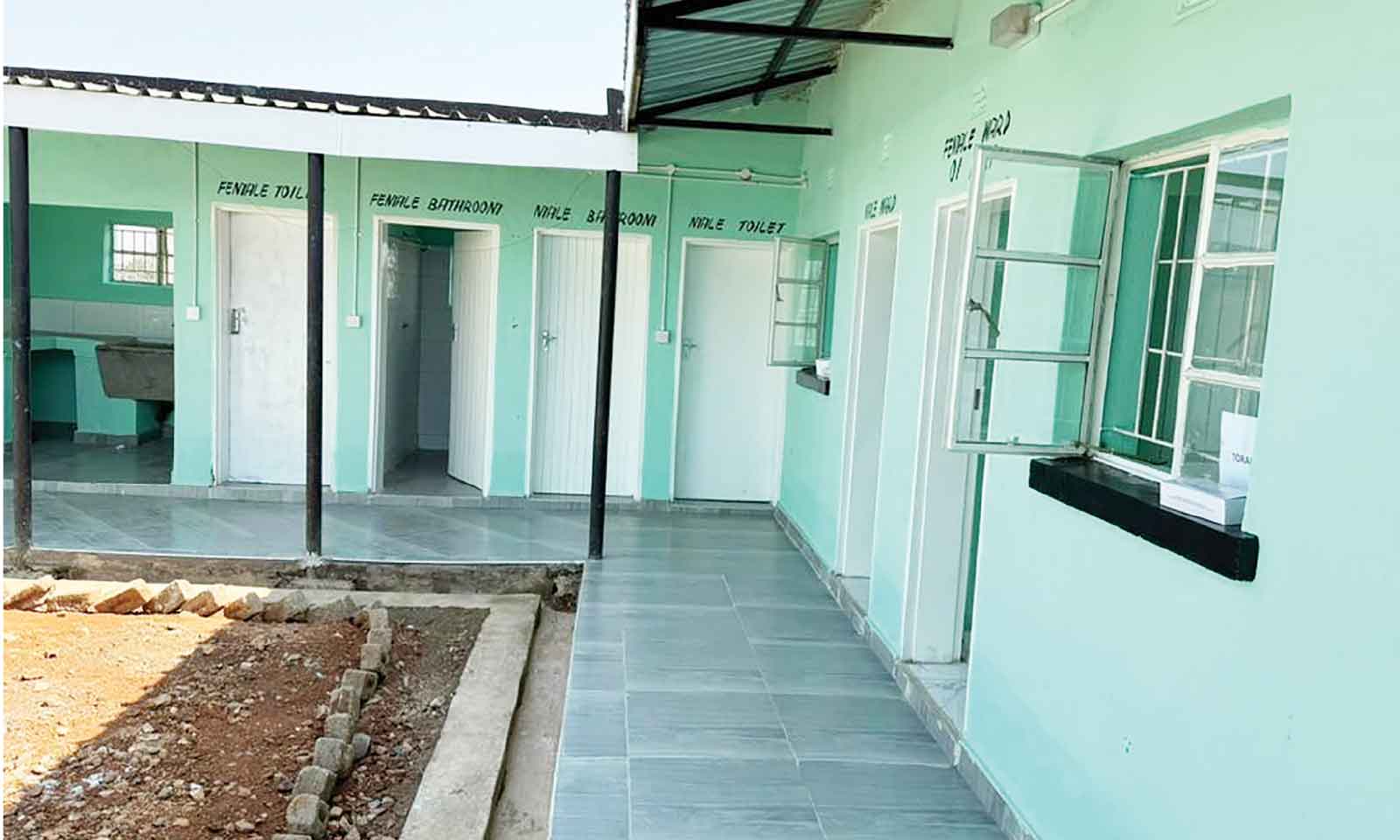
George Maponga in MASVINGO
MASVINGO Province is steadily positioning itself to become a US$8 billion provincial economy by 2030, riding on an aggressive rollout of devolution-funded projects that are transforming health delivery, agriculture, infrastructure and local enterprise development under the Second Republic.
The province’s economic trajectory is being underpinned by hundreds of projects implemented using devolution funds, many of which have already been completed while others are at various stages of execution, giving momentum to Masvingo’s socio-economic transformation drive in line with Vision 2030.
One of the most visible impacts of devolution has been recorded in the health sector, where new and upgraded facilities are bringing services closer to communities and easing pressure on referral hospitals.
In Zaka District, Murerekwa and Chebvure clinics were commissioned using devolution funds, significantly improving access to primary health care for communities in Gumbo and surrounding areas.
In Masvingo District, Musingarabwi Clinic was also constructed, a development expected to decongest Masvingo Provincial Hospital and Morgenster Mission Hospital by catering for patients who previously travelled long distances for basic medical services.
In Chiredzi, devolution funding was used to electrify Runyararo Clinic in 2025, a milestone that has enhanced service delivery in one of the province’s most remote districts by enabling the use of modern medical equipment and improving staff retention.
Agriculture has also emerged as a major beneficiary of the devolution programme, with irrigation development taking centre stage as Government seeks to strengthen food security at household level and reduce reliance on rain-fed farming.
In Chivi South, devolution funds were channelled towards the development of the Gororo Irrigation Scheme, which draws water from the Tugwi-Mukosi Dam.
The scheme is enabling year-round crop production, improving household food availability, stabilising incomes and cushioning communities against recurrent droughts in one of Masvingo’s driest districts.
Chivi is perennially affected by below-normal rainfall, and the commissioning of Gororo Irrigation Scheme has been hailed as a game-changer for communities that have historically grappled with food shortages.
The project is being developed in phases, with the first 20 hectares already completed.
The second phase will expand the scheme to 30 hectares before a final expansion to 50 hectares.
Once fully developed, the scheme will accommodate 100 plot-holders, each allocated 0,5 hectares, creating a stable base for household food production and income generation.
Chiredzi District has also seen devolution funding financing the completion of 43 village business units (VBUs) in 2025, a development that is reshaping livelihoods in a district characterised by extremely arid conditions.
Village business units are community-based production hubs equipped with water infrastructure, and irrigation systems designed to support activities such as market gardening, fish farming and small-scale agro-processing.
They are aimed at enabling rural communities to produce food, generate income and participate meaningfully in local economies.
Chiredzi now has the highest number of village business units in Masvingo province, with more than 200 at various stages of development.
These VBUs have become centres of production, driving rural industrialisation and reducing poverty by empowering communities to be self-sustaining.
Chiredzi district development coordinator Mr Lovemore Chisema said devolution funding had fundamentally altered the district’s socio-economic landscape.
VBUs, he said, have helped make local communities active participants in food production and income generation.
Local authorities have also benefited from capital equipment purchases funded through devolution, boosting service delivery and operational efficiency.
Masvingo City Council procured a refuse compactor and garbage collection vehicles, raising prospects for improved waste management in the country’s oldest town, where residents had long complained about erratic refuse collection.
Zaka Rural District Council acquired a fire tender, service vehicles and motorbikes for more than 30 councillors, improving mobility and response capacity in one of the province’s most populous districts.
In Bikita, the rural district council procured a fire tender and constructed a modern conference centre with a seating capacity of more than 400 people.
The facility has been described as a potential revenue generator through hosting conferences, weddings and other events.
More than 40 councillors in Bikita also received motorbikes funded through devolution, improving access to remote wards where poor road networks had previously hampered service delivery.
Bikita RDC chief executive Engineer Arnold Mtuke said devolution had breathed new life into development efforts in the district.
“Besides the fire tender and motorbikes, we constructed a conference centre at Pambudzi, which we expect to generate revenue. We also partially funded solar traffic lights along the Nyika–Mutare highway and installed ablution facilities with running water at Nyika Growth Point bus terminus,” he said.
Eng Mtuke said the council was also rolling out piped water schemes to improve access to clean and safe water across the district.
Chiredzi RDC chief executive Mr Ailess Baloyi said village business units had become a lifeline for rural households.
“They are changing lives. People are venturing into market gardening, improving their incomes and access to nutritious food, which is raising living standards in rural areas,” he said.
Masvingo Permanent Secretary for Provincial Affairs and Devolution Dr Addmore Pazvakavambwa said devolution projects had placed the province firmly on course to achieving Vision 2030 targets.
“Devolution projects are driving the ongoing socio-economic transformation in our province with many projects in sectors such as health, education and agriculture having been completed during the course of 2025 and this resonates with the President’s mantra of leaving no one and no place behind,” he said.
Dr Pazvakavambwa said Government was ensuring that schools and clinics are located within a five-kilometre radius of communities, while roads in towns and growth points are improving ease of doing business as the province targets a US$8 billion economy by 2030.
He noted that although trade and manufacturing currently contribute the largest share of Masvingo’s GDP, agriculture and mining are expected to become the main anchors of future growth.
Modern vending markets equipped with ablution facilities have also been completed using devolution funds in urban centres, with the Chitima Fresh Produce Market in Masvingo City standing out as a flagship project.
“We now have spacious and hygienic stalls, and our businesses have improved because we can sell a wider range of products,” said trader Mrs Anna Musvosvi.
“Even the new toilets are a breath of fresh air because this place used to be an eyesore with no flushing toilets, but we are happy that we have new toilets with running water.”
Handicraft and artefact traders near the Great Zimbabwe Monuments have also benefited from upgraded vending sites, recording increased business due to improved infrastructure.
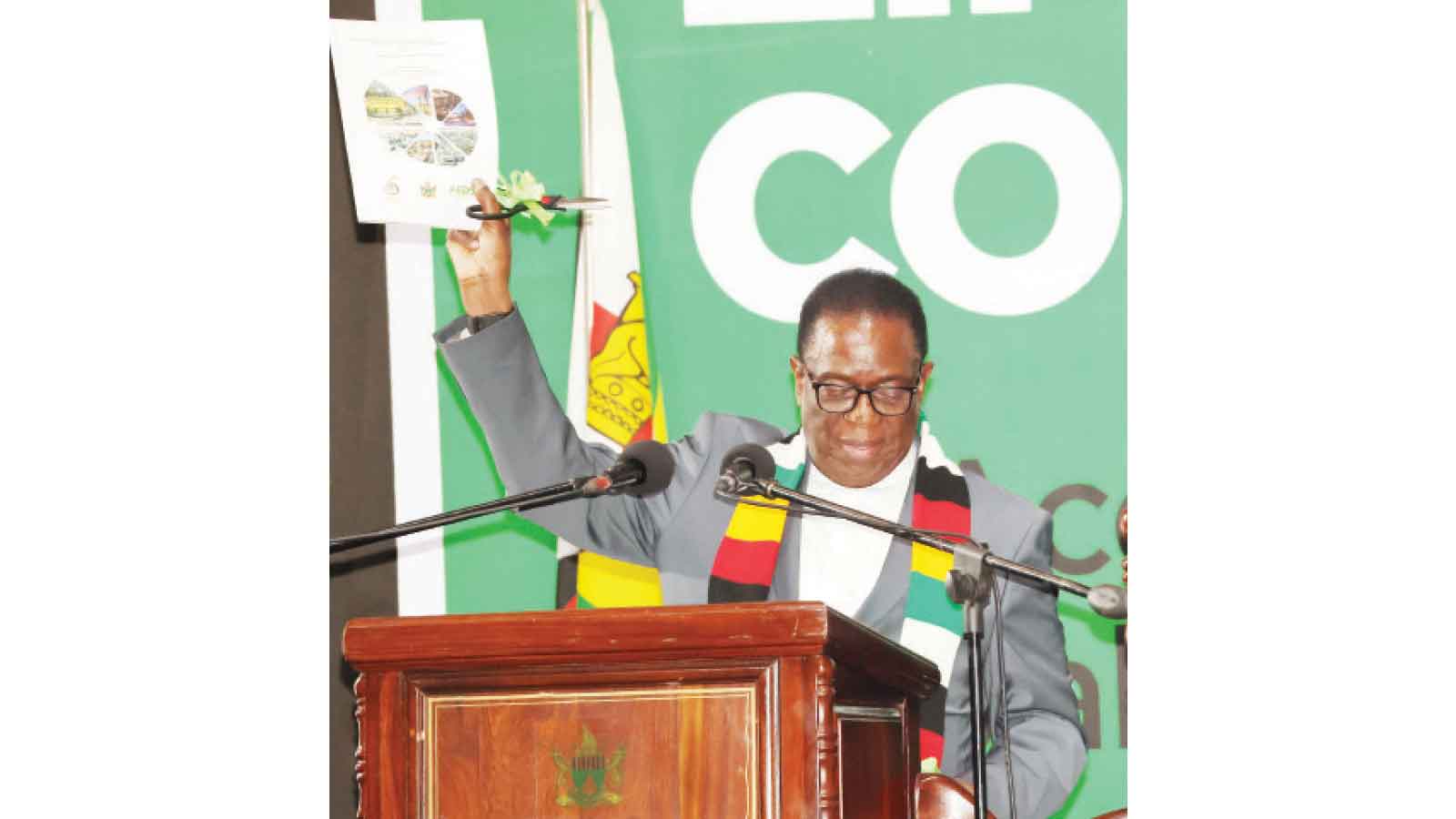
Minister of State for Masvingo Provincial Affairs and Devolution Ezra Chadzamira said devolution projects were central to uplifting rural communities and integrating them into the mainstream economy.
“Masvingo is a clear example of how devolution is lifting people out of poverty and driving inclusive development,” he said.
Minister Chadzamira said more than 200 village business units are at various stages of development across the province, describing them as the cornerstone of rural transformation.
He said Masvingo is on track to reach its US$8 billion economic target before 2030, with devolution projects lighting the first fires of sustained socio-economic transformation.