admin
admin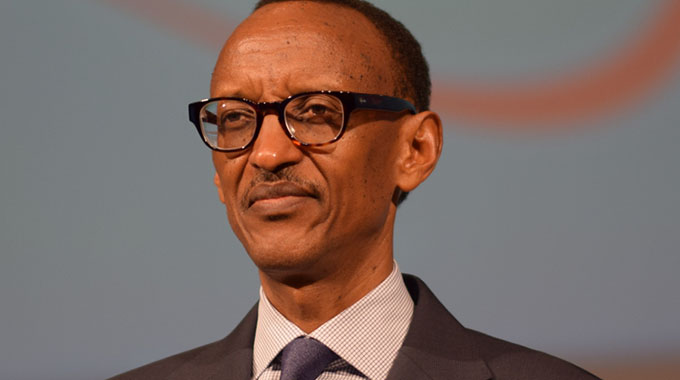
Herald Reporter
The Rwandan genocide started on April 7, 1994, the day after President Juvenal Habyarimana was killed when his plane was shot down and over the next 100 days up to one million Tutsi along with some moderate Hutu and Twa were systematically murdered.
Today the Rwandan Embassy in Zimbabwe holds the 28th commemoration of the genocide, Kwibuka 28 at Arrupe Jesuit University in Mount Pleasant, Harare.
Globally, the commemorations are held on April 7 every year, and Rwandan President Paul Kagame, led the event in Kigali yesterday.
Today, Government officials, diplomats and friends of Rwanda, will join hands with the Rwandan community in Zimbabwe.
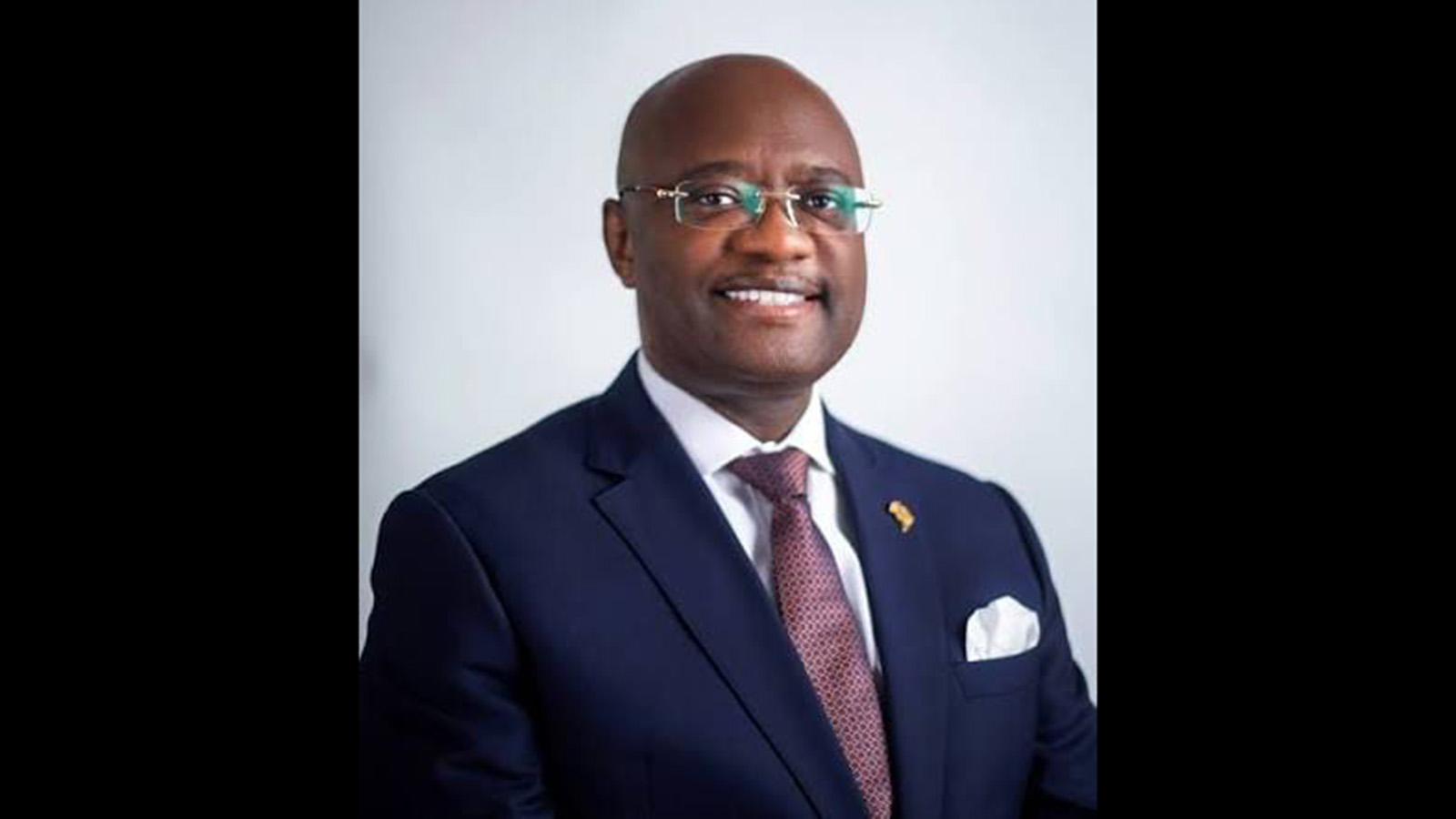
Rwanda’s Ambassador to Zimbabwe, James Musoni, said Kwibuka acknowledges and recognises survivors who mourn their families and friends to this day.
“Kwibuka commemoration serves as a continued warning to humanity to ensure that the genocide against the Tutsi is not forgotten or a similar (issue) being repeated anywhere in the world,” said Ambassador Musoni.
Soldiers and militia from an extremist regime callously hunted down and killed innocent people in what has become one of the darkest chapters in recent memory.
The mass slaughter was stopped by the Rwandan Patriotic Front, led by President Kagame, which bravely fought and defeated the genocidal regime.
Ambassador Musoni said when Rwanda gained its independence in 1962, the regimes that took power up to 1994 perpetuated the segregation legacy of the colonial masters, which included propagating sectarianism.
He said the regimes promoted hatred among Rwandans characterised by the exclusion of Tutsis in school, work and politics and oppression of fellow citizens.
The regimes destroyed and burnt their homes, killed them and forced them into exile. Several thousands were driven out of the country and condemned to be refugees in other countries.
“After driving out the extremist government and stopping the genocide against the Tutsi, the Rwanda Patriotic Front set up a new governance system that promoted unity among the people of Rwanda,” said Ambassador Musoni.
For a start there is now no record of who may or may not belong to any particular group. The colonial identity cards that carried ethnicity have been replaced.
“All Rwandans speak as their mother tongue the same language so it is impossible to work out from the way someone speaks what group they might belong to.
In the midst of the devastating effects of the genocide against the Tutsi in 1994, the new government embarked on an extensive reconstruction programme based on sound, economic, political and social policies.
“Despite walking through a difficult journey, I am happy to say that Rwanda is today a model country and an example of success in post-conflict construction, thanks to the good leadership under our visionary leader, His Excellency President Paul Kagame.”
He said Rwanda has introduced policies that have resulted in the socio-economic transformation of the country.
Rwanda now aspires to become a middle income country by 2035 and high-income country by 2050.
Ambassador Musoni said this will be achieved through policies that are underpinned by sectoral strategies focused on achieving the Sustainable Development Goals.


 Online Reporter