Online Reporter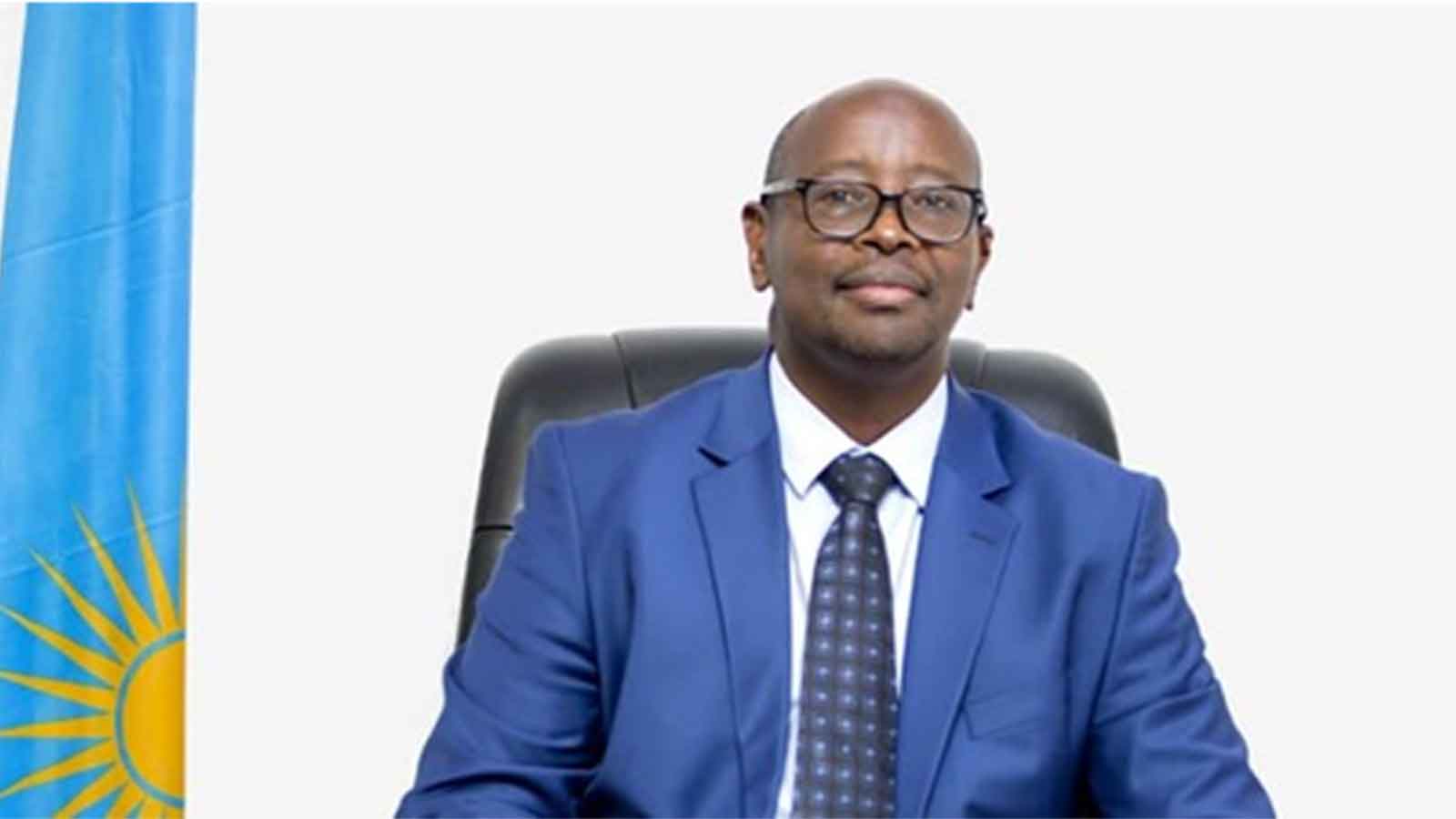
Gibson Nyikadzino-Zimpapers Politics Hub
The transformation Rwanda has experienced following the 1994 genocide against the Tutsi is testament to what is possible when a nation focuses on inclusive national unity and reconciliation, Ambassador James Musoni has said.
Today marks the 32nd anniversary of Liberation Day, or Kwibohora 32, when the Rwanda Patriotic Front (RPF) forces, led by current President Paul Kagame, brought an end to the genocide against the Tutsi and marked the beginning of Rwanda’s journey towards recovery and rebuilding.
In a statement, Ambassador Musoni said that while Liberation Day serves as a symbol of Rwanda’s recovery from one of history’s greatest human tragedies, the day also honours the memory of those who perished during the genocide, ensuring that the horrors of 1994 are never repeated.
“Liberation Day symbolises the nation’s recovery from one of history’s greatest human tragedies and commemorates the end of the genocide and the beginning of Rwanda’s reconstruction under a government committed to national unity, reconciliation, security and development,” Ambassador Musoni said.
The genocide against the Tutsi commenced on April 7, 1994, and over a period of 100 days saw the murder of more than one million innocent people who were systematically hunted down by soldiers and militias of the then government.
Ambassador Musoni raised concern over external threats to Rwanda’s security fuelled by the Democratic Forces for the Liberation of Rwanda (FDLR), a group whose members include individuals linked to the perpetrators of the 1994 genocide against the Tutsi and which operates in the eastern Democratic Republic of Congo (DRC).
“Rwanda has consistently stated its commitment to protecting its citizens and preserving the peace and stability achieved since liberation, while calling for greater international efforts to address insecurity in eastern DRC,” Ambassador Musoni added.
Since ending the genocide against the Tutsi, Rwanda has recorded significant economic progress, positioning itself as one of Africa’s most attractive destinations for investment and entrepreneurship.
Liberation Day is distinct from Rwanda’s Independence Day, celebrated annually on July 1 to mark the country’s attainment of sovereignty from Belgium in 1962.