


 malvernmugadzikwa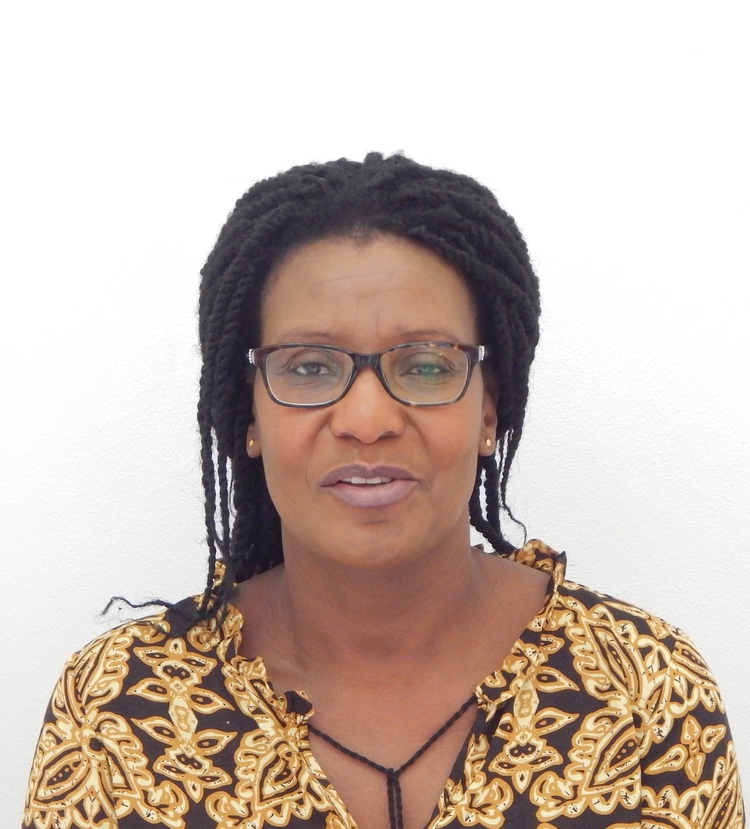
Disability Issues
Dr Christine Peta
I WOULD like to extend my warmest congratulations to Zimbabwe on assuming the chair of the Southern African Development Community (SADC), under the leadership of President Mnangagwa.
This significant achievement places Zimbabwe at the forefront of regional integration and prosperity.
Of particular importance to the disability constituency is the recent SADC Heads of State and Government meeting in Harare, which adopted and signed a declaration aimed at protecting the rights of persons with albinism.
Albinism is a rare, non-contagious, genetically inherited condition that is present from birth and affects people worldwide, regardless of race, gender or ethnicity.
In the region, individuals with albinism are often targeted by organised crime syndicates and subjected to kidnapping, abduction, grievous bodily harm, trafficking and murder due to harmful beliefs, myths and superstitions.
The killing of persons with albinism remains prevalent in countries like Malawi, Tanzania and Mozambique.
In these regions, body parts of individuals with albinism are used for ritual purposes, driven by the false belief that they can bring career success, good fortune, wealth, power or sexual conquest.
In Zimbabwe, the practice of killing children born with albinism has been discontinued.
However, some traditional healers continue to prescribe sexual intercourse with women and girls with albinism as a cure for HIV or a means to acquire wealth, leading to increased rates of sexual abuse against these individuals. SADC member states recognised that the challenges faced by persons with albinism in the region require concerted and coordinated efforts.
Preventive measures at regional and national levels include public education and awareness, capacity strengthening of stakeholders and the development of relevant short-, medium- and long-term national legal and policy frameworks.
Protective measures include providing effective law enforcement in response to attacks and violations against persons with albinism, as well as reviewing legislative frameworks related to trafficking in human body parts, witchcraft and traditional medicine.
It also includes training all healthcare workers on the rights of persons with albinism, and implementing social schemes or services that address their economic, psychosocial, educational and healthcare needs.
Sunscreen lotion should be included on national lists of essential medicines and made readily available to persons with albinism, even in remote areas.
Accountability measures include sustained efforts to hold accountable those who violate the rights of persons with albinism, such as prioritising the prosecution of cases involving criminal attacks against individuals with albinism and protecting witnesses in these cases.
Additionally, providing support to rebuild the lives of persons with albinism and their families directly involved in criminal attacks is essential.
Promoting the mainstreaming of albinism issues in all national development structures, policies and strategies, as well as building the capacity of persons with albinism through representative organisations to lobby and advocate their rights, are also crucial steps.
Regarding equality and non-discrimination measures, SADC member states have committed to ensuring reasonable accommodation at all levels of education for children and adults with albinism and equal access to national healthcare services.
The National Disability Policy of Zimbabwe calls for the inclusion of persons with albinism in all aspects of life and the establishment of local industrial hubs for the manufacture and distribution of sunscreen lotions.
We must all work together to promote, protect and respect the rights of persons with albinism.
Dr Christine Peta is a disability, public health, policy, international development and research expert. She is also the national director of disability affairs in Zimbabwe. She can be contacted on: [email protected]



 Bongani Ndlovu
 Online Reporter