Online Reporter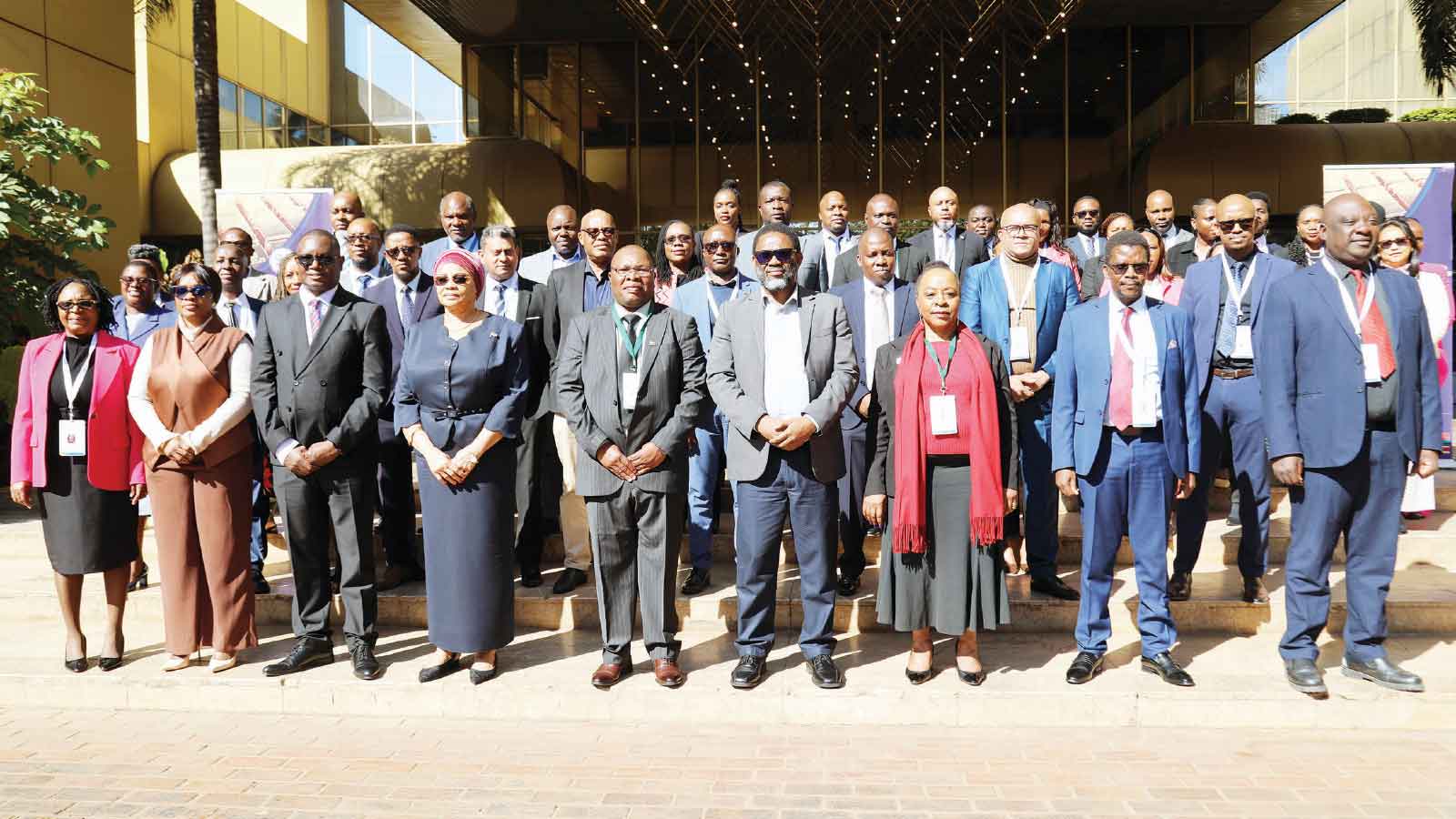
Oliver Kazunga
Senior Reporter
SOUTHERN African countries yesterday moved to accelerate the operationalisation of the long-awaited SADC Regional Development Fund, a financing mechanism expected to unlock billions of dollars for regional infrastructure and industrialisation projects.
RDF is a self-financing, revolving financial mechanism created to mobilise capital for industrialisation, economic development and infrastructure projects across SADC.
It aims to reduce the region’s reliance on external aid and costly international.
The fund has emerged as one of the key priorities as senior treasury officials, central bank executives and health officials from across the region convened in Harare yesterday during the Meetings of Senior SADC Treasury and Central Bank Officials preparatory meeting for the SADC Ministers of Finance and Investment — and the Peer Review Panel tomorrow.
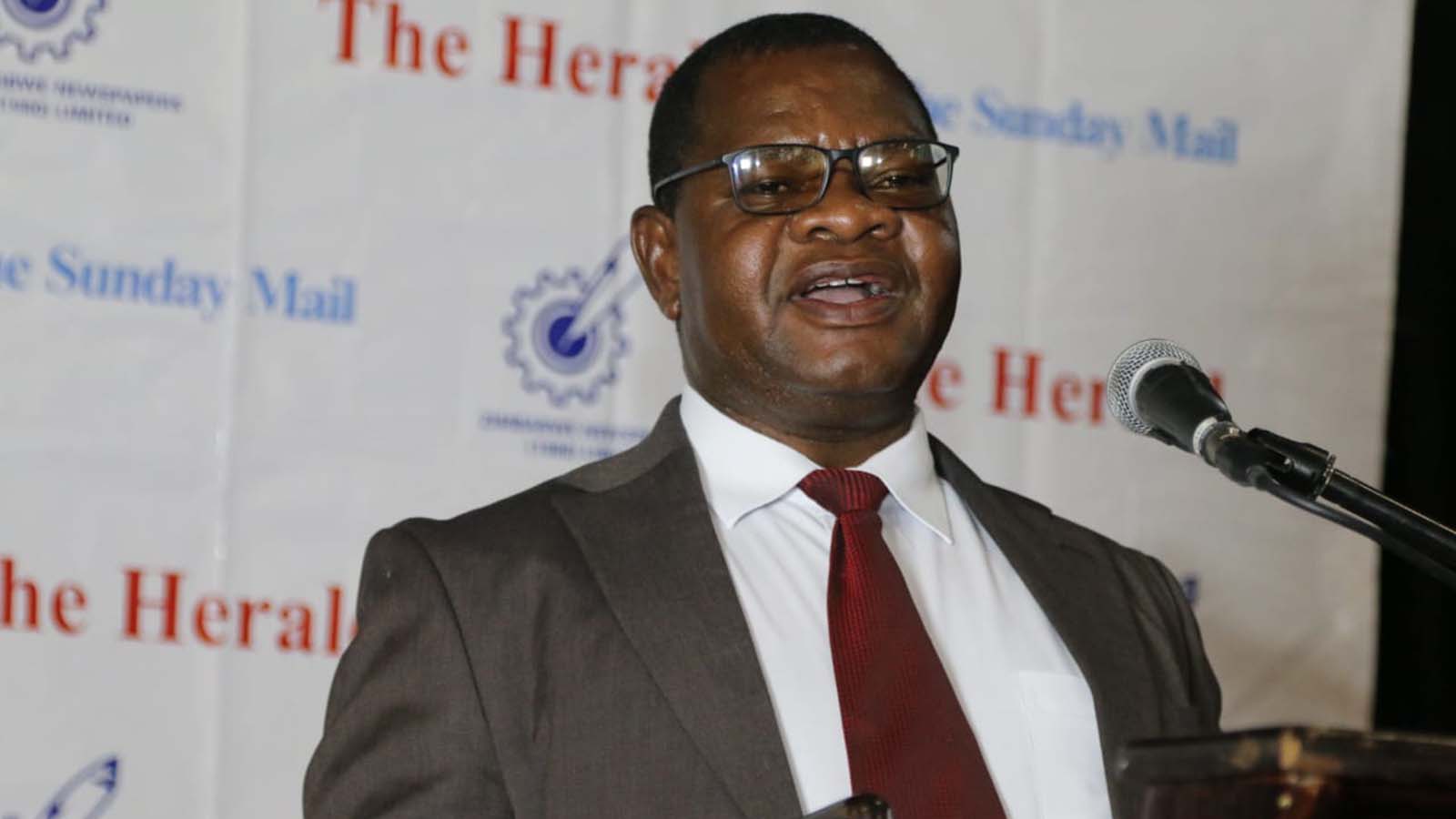
In his remarks, outgoing chair of the SADC Senior Treasury Officials, Mr Joseph Mverecha, who is also a chief director in the Ministry of Finance, Economic Development and Investment Promotion, said the operationalisation of the Regional Development Fund remained central to SADC’s drive to accelerate economic integration and sustainable development.
He said previous meetings of Finance Ministers and the Peer Review Panel had consistently underscored the importance of macroeconomic convergence — financial market integration — investment promotion — regional payment systems and the Regional Development Fund.
“The outcomes of earlier meetings of the Ministers of Finance and Investment and the Peer Review Panel have consistently underscored the importance of macroeconomic convergence, financial market integration, investment promotion, development finance, regional payment systems and the operationalisation of the SADC Regional Development Fund.
Mr Mverecha urged senior officials to ensure recommendations submitted to SADC Ministers of Finance and Investment were evidence-based and aligned with the objectives of the bloc’s Vision 2050 and the Regional Indicative Strategic Development Plan 2020-2030.
“Our ministers will depend on us to identify what is working, what requires acceleration and what must be addressed with greater urgency.”
The meeting is expected to produce technical recommendations that will be considered by SADC Ministers of Finance and Investment as the region seeks to accelerate economic integration, mobilise development finance and strengthen resilience against emerging economic shocks.
Speaking at the same occasion, SADC deputy executive director for regional integration Ms Angèle Makombo N’Tumba said the bloc’s member States have intensified efforts to harmonise macroeconomic policies, improve the regional investment climate and unlock financing for infrastructure projects as they seek to strengthen economic resilience against mounting global and regional shocks.
She said regional countries were already pursuing coordinated reforms aimed at creating a more resilient and investor-friendly regional economy.
“Our focus remains on the harmonisation of macroeconomic policies and the continuous improvement of our investment climate.
“By enhancing tax policy, modernising administration and deepening regulatory cooperation, we are creating a more resilient, investor-friendly environment,” said Ms N’Tumba