daniel chigunwe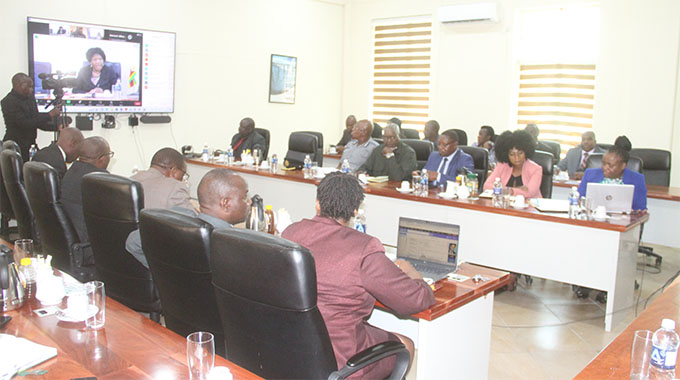
Thupeyo Muleya
Beitbridge Bureau
SADC and its partners are set to discuss strategies to enhance water resources management in the region at the 10th River Basin Organisations and Shared Watercourse Institutions set for Mozambique next month.
The regional organisation, in collaboration with the Limpopo Watercourse Commission (LIMCOM), and with the technical support of the Global Water Partnership Southern Africa (GWPSA) will have high level discussions between October 2 and 4.
So far, Botswana, Mozambique, South Africa and Zimbabwe which share the Limpopo River Basin, have since re-affirmed the need to collaborate and promote sustainable development of the basin.
Stakeholders from the four nations made the commitment following a series of in-country meetings organised by the LIMCOM to appraise their governments on the implementation of the project.
In a statement yesterday, the Limpopo Watercourse Commission said the water meeting will be held in a hybrid format, and that the physical event will be hosted in Maputo by the Government of Mozambique through the Ministry of Public Works, Housing and Water Resources.
“The theme of the meeting is: Promoting water security through inclusive transboundary conjunctive management and development of water resources,” read part of the media statement.
“This meeting aims to facilitate the exchange of ideas that will enhance effective transboundary water resources planning, development, and management in the region while ensuring environmental sustainability and resilience.
“The target is to improve regional water security towards poverty reduction, and increase regional integration, economic productivity, and industrialisation”.
The meeting is also intended to support the efforts of SADC member states regarding the establishment, institutional development, and strengthening of organisations managing shared river and water resources.
It is envisaged that the platform will build the capacity of member states on other transboundary water resources development and management mechanisms.
The participants are also expected to exchange notes on the best practices on establishing flood forecasting and early warning systems and decision support systems in the SADC region.
“This meeting is a biennial event, which is organised with the aim of engaging river basin organisations as a vehicle for strengthening regional integration and cooperation.
“It also serves as a forum for authorities to share experiences and learn from each other”.
The water resources management indaba will among other things be used to build consensus on the region’s strategic approaches being promoted by SADC to increase water security and resilient development in the region.
This year’s event will bring together representatives of many role players that include development finance institutions, international financiers, climate funds, official development assistance funders and private financiers.
LIMCOM said some participants will be drawn from SADC’s key sectors including energy, food security and trade.
Already Botswana, Mozambique, South Africa and Zimbabwe have had in-country meetings to appraise their governments on the implementation of the transboundary river basin management project.
LIMCOM executive secretary Mr Sergio Sitoe said recently that the in-country meetings were a huge success.
“Such interactions are critical in promoting ownership of the project and its successful implementation,” he said.
“The Limpopo river basin is one of the major river basins in southern Africa, and it is shared by four countries: Botswana, Mozambique, South Africa and Zimbabwe”.
Its catchment area is estimated at 408 000 square kilometres and the basin has a population of over 18 million people.
The river flows north from South Africa, where it creates the border between South Africa and Botswana and then the border between South Africa and Zimbabwe, before crossing into Mozambique and draining into the Indian Ocean.
In addition, the basin supports diverse socio-economic activities in the four states including agroindustry, large-scale irrigation, rain-fed subsistence agriculture, mining, eco-tourism, and hosts some of the world’s foremost protected areas.



 Online Reporter