Online Reporter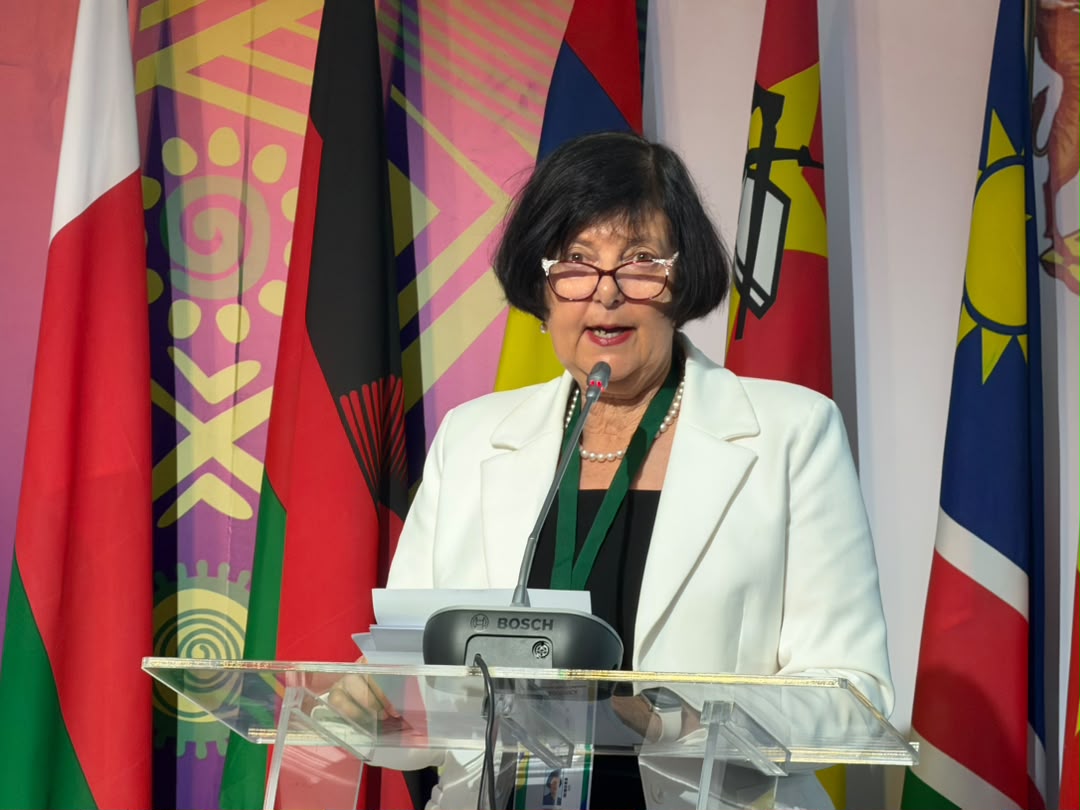
Sikhumbuzo Moyo
[email protected]
SOUTHERN African Development Community (SADC) member states have been urged to accelerate regional integration and adopt innovation-driven development strategies as the region grapples with escalating geopolitical, technological and climate-related challenges.
The call was made on Thursday in Bulawayo during the closing session of a five-hour High-Level Ministerial Round Table Dialogue on Liberalised Skies and AI-Enabled Climate-Resilient Infrastructure.
Delivering her closing remarks, South African Transport Minister Barbara Creecy said the discussions had produced four key messages that should guide the region’s development agenda.
She said the first message highlighted the increasingly volatile global environment in which SADC countries are operating, marked by geopolitical uncertainty, rapid technological advancement and worsening climate impacts.
“We are not operating under conditions of our own choosing. There are substantial and ever-changing geopolitical threats, accelerated technological change that risks leaving significant sections of our populations behind, and rising climate risks,” said Minister Creecy.
She noted that although African countries contribute the least to global carbon emissions, they remain among the most vulnerable to climate shocks, with limited capacity to adapt and build resilience.
The second message, she said, underscored the importance of strong political leadership and political will in driving development across the region. She urged leaders to respond to citizens’ aspirations, strengthen public trust, safeguard privacy and safety in the digital age, and remove bureaucratic barriers that hinder progress.
Minister Creecy also emphasised the need for deeper collaboration between governments, the private sector, development finance institutions and citizens.
The third key message focused on integration across sectors, including harmonised regulatory frameworks, coordinated development of technical skills from early education to tertiary level, joint preparation of bankable infrastructure projects, and enhanced regional cooperation on climate adaptation and mitigation.
The fourth and final message, she said, was one of opportunity, noting that while the region holds significant potential, progress is not happening fast enough.
“SADC is alive with possibilities, but we are not moving fast enough to deal with the challenges that face our region and our countries individually,” she said.
The dialogue brought together regional policymakers and stakeholders to explore strategies for advancing aviation liberalisation and leveraging artificial intelligence to build climate-resilient infrastructure across Southern Africa.