

 Chronicle Editor
Rumbidzayi Zinyuke, Harare Bureau
THE malaise being reported in the health sector now did not just happen overnight but is a consequence of the financial sanctions imposed on the country by the West, denying Zimbabwe access to normal sources of global finance, a Cabinet Minister has said.
Zimbabwe will this Friday commemorate the fifth anniversary of the Southern African Development Community (SADC) Anti-Sanctions Day.
The day, which was declared during a SADC Summit in Tanzania in August 2019, is an occasion where member states of the bloc collectively voice their disapproval of sanctions on Zimbabwe.

Secretary for Health in the Politburo and Minister of Health and Child Care Dr Douglas Mombeshora highlighted the devastating impact of sanctions on the availability of essential medicines, medical equipment, and healthcare services.
“A lot of people out there don’t understand the sanctions that have been imposed on Zimbabwe, how they affect us, how they affect the economy, because most of them, they listen to social media and say there are no sanctions,” he said.
“The first thing was to squeeze the economy of Zimbabwe by denying it access to cheap funds. No funds can be lent to Zimbabwe by institutions, which can give money at a cheaper interest rate. What it has resulted in is that Zimbabwe became a cash economy and no country can function as a cash economy.
“Most countries rely on loans from these multilateral institutions. If there is not enough money in the country or if the money is expensive, then it becomes very difficult, especially to undertake capital projects. In the health sector, it means we can’t have money to buy the drugs that we require.
“We don’t have enough money to purchase diagnostic equipment, talk of x-rays, ultrasound scanning machines, CT scans or MRI scans.”

One of the most significant effects of sanctions has been the disruption of the country’s pharmaceutical industry where local pharmaceutical manufacturers are struggling to import raw materials and machinery, leading to a decline in domestic production.
In addition to this, sanctions have also hindered the development of the country’s healthcare infrastructure.
Dr Mombeshora said the Government had been unable to secure loans or investments for the construction of new hospitals and clinics, or for the upgrading of existing facilities. This, he said, had resulted in overcrowding and poor sanitation conditions in many healthcare facilities.
“We require millions to equip our hospitals. We do not have cheap money to construct infrastructure. Now, when those challenges come, the health staff also become disgruntled because they don’t have the tools to use in the hospital.
“There was an exodus of health workers from our country because of sanctions. The resulting effects are poor service delivery and deaths of innocent people. So, when sanctions are imposed on a country, the poor will always suffer”.
Dr Mombeshora emphasised that the impact of sanctions had mostly been felt by the ordinary citizens in hard to reach areas.
These were the same people who could not afford to travel outside the country when they could not get services locally.
“All these people you hear travelling out of Zimbabwe to go and seek medical attention can afford to do that. But the ordinary person in the rural areas, the ordinary person on the streets of Harare, the poor civil servants are the ones who are affected by sanctions.
“It has meant reduced availability of medicines, reduced availability of diagnostic equipment, reduced availability of trained staff to provide the medical services that are required, so the sanctions have really hit the people of Zimbabwe,” he said.

While the sanctions have hit the health sector hard, the Second Republic has made significant strides to address some of these challenges.
To ensure equitable access to healthcare, President Mnangagwa’s Government undertook to construct health centres closer to the people.
The Government is wholly financing the construction of 22-bed health centres and 60-bed district hospitals across the country through a US$210 million facility. These centres are targeting marginalised areas where services are not easily accessible.
It has also launched the Health Workforce Strategy (2023-2030) which is expected to transform the capacity of the country’s human resources for health. In addition, the Health Workforce Compact (2024-2026), was also signed underscoring a commitment to accelerate investments in health workforce development.
Health has been given priority under the National Development Strategy and Vision 2030 as the country seeks to build a more resilient and equitable healthcare system to attain universal health coverage.



 Bongani Ndlovu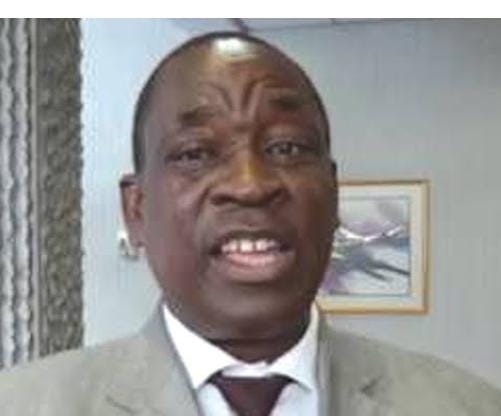
 Online Reporter