Online Reporter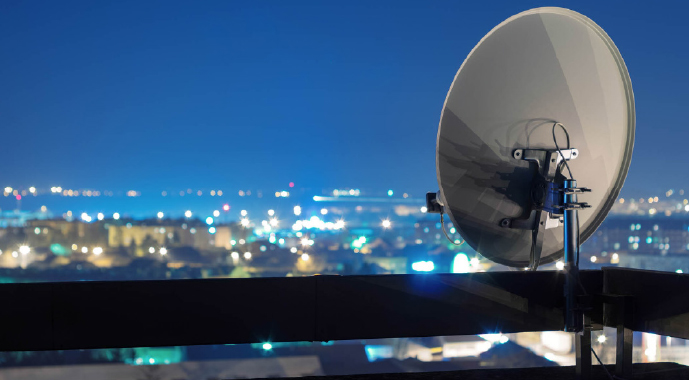
Jacqueline Ntaka, [email protected]
SATELLITE television is steadily replacing traditional aerial television across many parts of the world as viewers demand greater choice, better picture quality and more reliable access to content.
While aerial television once dominated households through rooftop antennas receiving terrestrial broadcasts, advances in technology have made satellite TV a more attractive option for millions of viewers.
One of the main reasons for this shift is the wider variety of channels offered by satellite television services. Traditional aerial television is often limited by the number of broadcasters operating within a particular region and the strength of available transmission signals.
In contrast, satellite providers can beam hundreds of television and radio channels directly to subscribers, offering a mix of news, sports, movies, documentaries, children’s programming and international content. This vast selection allows viewers to access specialised programming tailored to their interests rather than being restricted to a handful of local stations.
Picture and sound quality have also played a significant role in satellite television’s growing popularity. Modern satellite services typically offer channels in high-definition and, in some cases, ultra-high-definition formats. The result is a sharper viewing experience with clearer images and superior audio quality.
Although digital terrestrial television has improved considerably over the years, signal interference, poor reception and geographical barriers can still affect picture quality in some areas. Satellite television generally provides more consistent performance regardless of terrain, provided the dish has a clear line of sight to the satellite.
Another factor driving the migration from aerial TV to satellite services is coverage. In many rural and remote communities, terrestrial broadcasting infrastructure may be limited or unreliable.
Mountains, forests and long distances from transmission towers can weaken signals, leaving viewers with poor reception. Satellite television overcomes these challenges by delivering content directly from space, making it accessible even in isolated locations. For many households in remote areas, satellite television has become the most practical way of accessing a broad range of entertainment and information.
The evolution of consumer expectations has further accelerated the trend. Modern audiences increasingly seek convenience and flexibility in how they consume content.
Satellite television providers have responded by incorporating features such as personal video recorders, catch-up services, interactive content and integration with streaming platforms. These innovations have transformed television viewing from a passive activity into a more personalised experience. Traditional aerial television, although still valuable, often lacks many of these advanced features.
Economic considerations have also influenced viewing habits. While installing a satellite dish involves an initial cost, many consumers view it as a worthwhile investment due to the extensive entertainment options available.
Sports fans, movie enthusiasts and followers of international news often find satellite packages more appealing than relying solely on terrestrial broadcasts.
The ability to access premium content through a single platform has strengthened satellite television’s position in the market.
Despite the rise of internet streaming services, satellite television continues to hold a significant advantage in areas where broadband connectivity remains expensive or unreliable. In many developing countries, satellite TV offers a stable and affordable source of entertainment without requiring high-speed internet access.
As technology continues to evolve, aerial television is unlikely to disappear entirely. However, the growing demand for greater channel choice, improved quality, wider coverage and enhanced viewing features suggests that satellite television will continue to attract audiences and increasingly become the preferred option for viewers seeking a more comprehensive entertainment experience.
l Jacqueline Ntaka is the CEO of Mviyo Technologies, a local tech company that provides custom software development, mobile applications and data analytics solutions. She can be contacted on [email protected]