admin
adminenjoy.
Legally protecting access to science is a powerful idea, particularly when applied to development, where so many areas — including agriculture, healthcare, and information and communication technologies — rely heavily on uptake of scientific advances. Science can also be used to protect other basic human rights and has been used to monitor and attempt to prevent human right abuses in conflict.
But how is this right being implemented around the world and who is pushing the rights-based agenda for access to science? And why are national policy makers failing to use a rights-based agenda to get science to their people? The foundation provided by the ICESCR could help to form development policies, based on human rights, that combat many threats to science access.
For example, journal costs and patenting can put a price on information that poorer societies often cannot afford. But despite the potential of a human rights approach, what it would consist of remains vague and many governments remain unconvinced of exactly how using a human rights angle can improve access to science — or even that it is politically feasible to implement.
To address these concerns and develop concrete principles to guide policy, governments and scientific organisations have been exploring what the right to science means in practice. The UN and its agencies, in particular Unesco, are heavily involved in this area — attempting to develop a legal framework that the international community can accept.
“Science, so long as it is appropriately structured by an ethical framework, can make an indispensable positive contribution to human needs, interests and value,” says John Crowley from the Unesco Division of Ethics and Global Change. “Viewing science access through human rights gives us exactly that framework.”
Through two advisory bodies, composed of independent experts working in parallel, Unescio is exploring how the right to science should fit into national and international policies. Is bringing pricey nanotech to villages a positive step when traditional water filtration may have more impact?
These bodies — the International Bioethics Commission (IBC) and the World Commission on the Ethics of Scientific Knowledge and Technology (Comest) — advise member states’ governments through Unesco’s Executive Board and General Assembly, as well as various intergovernmental organisations that use Unesco as a discussion forum.
The IBC concerns itself with issues arising in healthcare, such as access to drugs and is broadening its scope to look at the potential for marginalisation and discrimination that could arise through applications of emerging biomedical technologies. Comest covers issues raised by ICTs, nanotechnology and the ethical concerns of environmental problems such as climate change.
A human rights approach to science access is already being used in some projects. Climate change relies heavily on science for both characterisation and solutions, but is so complicated that just a handful of research centres have the capacity to properly investigate it, says Crowley, who is also secretary of Comest.
As many developing regions, such as West Africa, have inadequate resources, they are essentially denied the right to both access and generate scientific information, he says. Looking into the issue, Comest determined that as access to scientific information was a human right, developed nations were ethically bound to improve availability of these data and to increase the capacity of poorer nations affected by climate change to conduct their own research.
Following a 2010 Comest report, “The Ethical Implications of Climate Change”, which formalised the ethical duty to aid developing nations in dealing with climate change, Unesco has spearheaded a series of initiatives to strengthen regional co-operation in West Africa. One of these, the Adaptation to Climate Change in Coastal Zones of West Africa (ACCC) project, brings together delegates from Cape Verde, The Gambia, Guinea Bissau, Mauritania and Senegal to discuss solutions to climate change problems such as rising sea levels and coastal erosion.
Uneso is also feeding into a process, led by the World Meteorological Organisation, to connect users in developing countries to climate change services derived from long-term weather and climate information.
In separate efforts, the IBC has responded to calls made for international standards in bioethics by playing a central role in developing the 2005 Universal Declaration on Bioethics and Human Rights.
The declaration embodies the spirit of the ICESCR covenant by demanding universal access to healthcare advances, diagnostic and therapeutic technology, and scientific information, and provides a powerful imperative to encourage governments to consider the human right to science.
Human rights have the symbolic value that could help rally action on access to science and technology
Unesco has since worked to increase the influence of this idea by training national bioethics committees and regional networks in many developing countries, which use the 2005 declaration for guidance. — SciDev.net.


Online Reporter
- Herald
- July 31, 2026
- 17 views
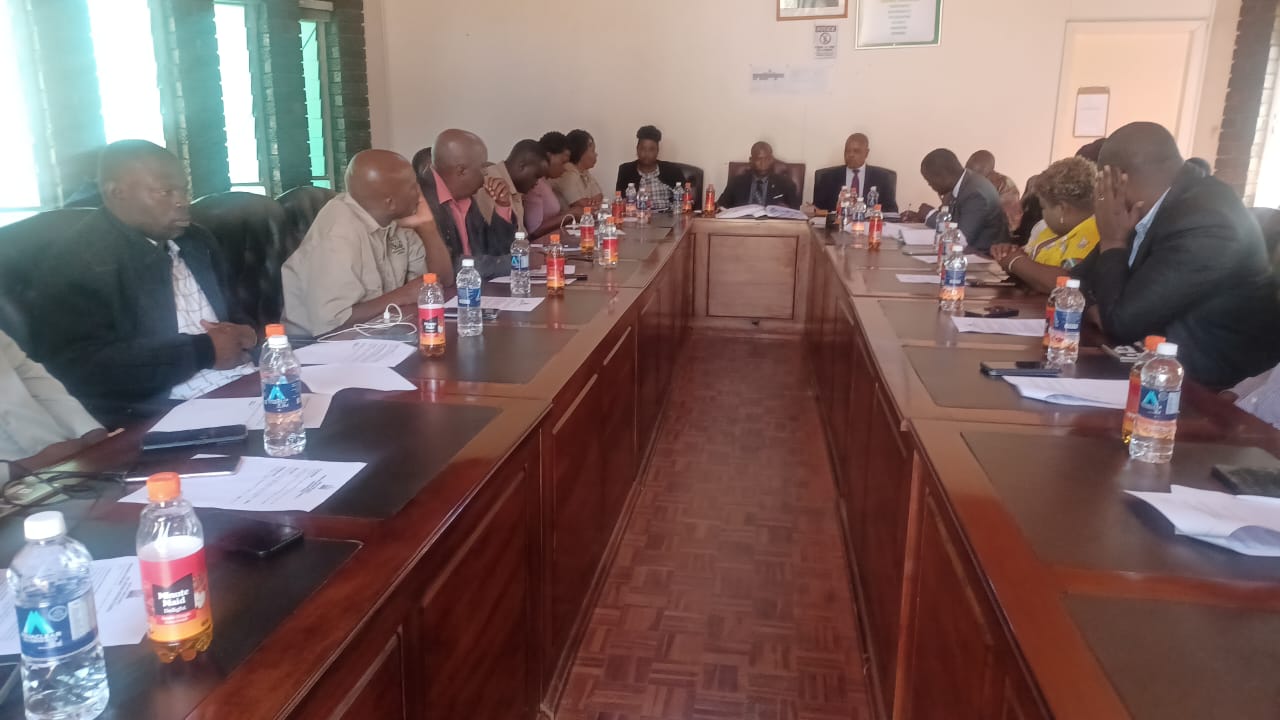
Norton Town Council renews integrity pledges
Diana Nherera Norton Town Council councillors and management on Thursday renewed their integrity pledges as part of the local authority’s commitment to promoting ethical conduct and combating corruption. Speaking…