dyton mupawaenda
Herald Reporter
THE country’s security system is keeping a keen eye on media organisations that are in the habit of extorting high-profile foreign nationals, including diplomats.
This comes after a series of reported incidents involving journalists working for local online publications who are said to be persistently trying to obtain favours from foreign high-level personalities using salacious and defamatory allegations without any evidence.
Impeccable sources said recently, some senior journalists (names supplied), tried to coerce a European diplomat into paying a handsome bribe to stop the publication of a story, entirely made up, and threatened to besmirch his reputation if no “mutually beneficial agreement” was reached.
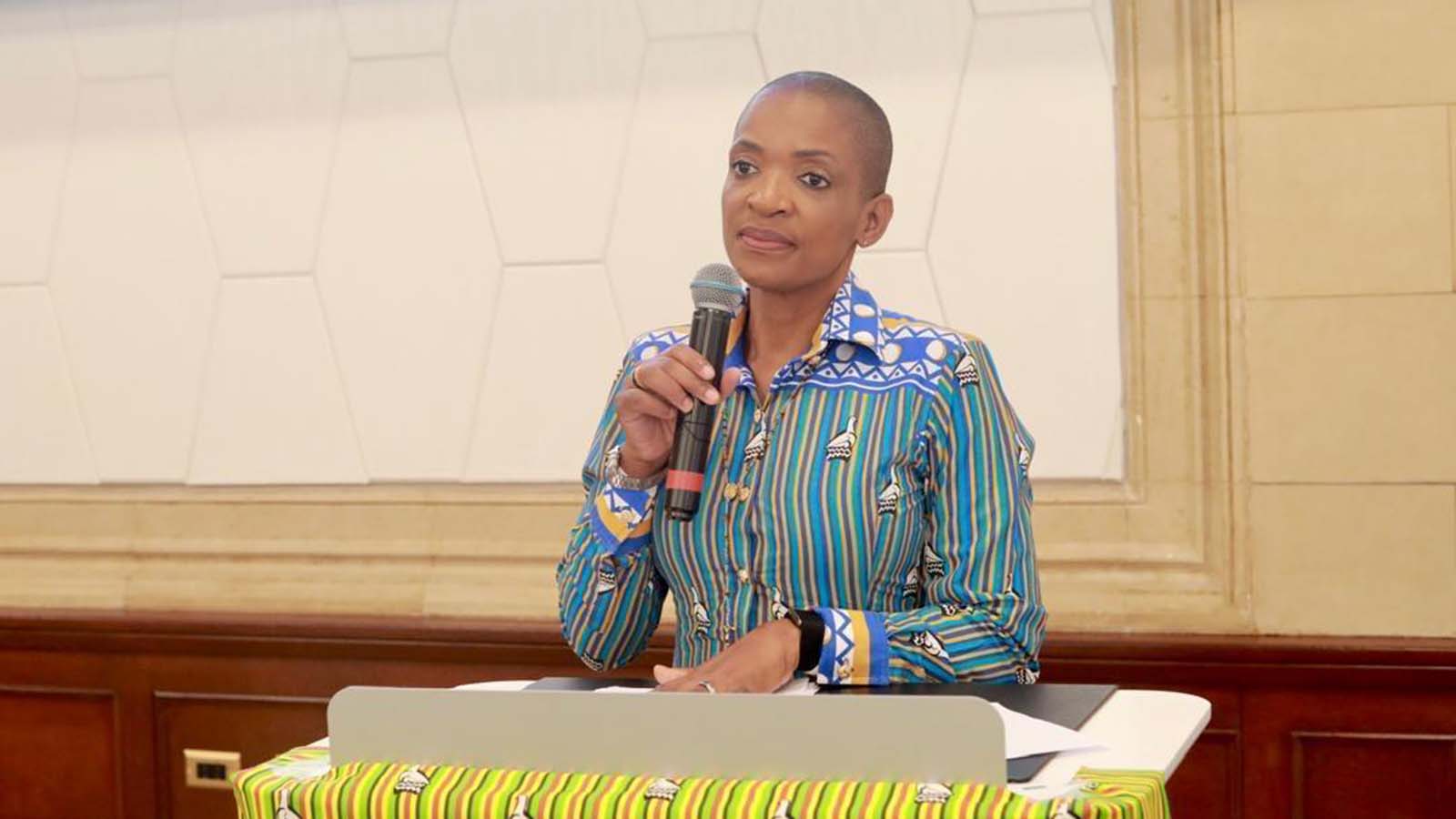
Zimbabwe Anti-Corruption Commission (ZACC) spokesperson Commissioner Thandiwe Mlobane said the organisation takes allegations of corruption seriously.
“In cases where we have received complaints, we have acted promptly and arrested the accused. Also, to address administrative issues, we have been working closely with the Ministry of Information, Publicity and Broadcasting Services and alternative dispute resolution bodies like the Voluntary Media Council to ensure a coordinated approach in addressing corruption in the society in general and media in particular.”
“The Commission has also had bilateral engagements with media organisations to address issues of concern. Going forward, we have lined up capacity building and training. The training will promote ethical journalism through public education on professional conduct, integrity, and enlightenment on the consequences of engaging in corrupt and unethical practices.”
Commissioner Mlobane also warned journalists who engage in unethical and corrupt behaviour saying such practices hindered the fight against corruption.
“ZACC would like to warn those journalists who are engaging in corrupt activities to desist from that. Extortion is not only a crime, but it also goes against journalistic ethics and violates people’s fundamental rights like the right to access to information,” she added.
Zimbabwe Union of Journalists (ZUJ) president George Maponga said: “As the Zimbabwe Union of Journalists, we have repeatedly exhorted our journalists to refrain from unethical practices, particularly the scourge of corruption, which we acknowledge is rampant across some sections of the local media.
“The mainstream media remains the key pillar of professionalism and high ethical standards in terms of information dissemination.”
Maponga also implored all the aggrieved to pursue justice through the appropriate channels.
“We would like to encourage all aggrieved parties to seek recourse with the Zimbabwe Media Commission so that rotten, corrupt elements are not only accounted for but are brought to book in line with the country’s laws. We must put an end to a practice of unethical behaviour.
“Going forward, the issue of corruption within the media industry also brings to the fore the issue of enacting the Media Practitioners Bill.
“That’s why we have been at the forefront imploring the Government to expedite the crafting and enacting of this bill in order to professionalise the industry.”
Of late, influential people have been accused of taking advantage of journalists’ low salaries by offering them bribes to spike stories or to write positive stories about them.
Security sources said diplomats were protected persons, regardless of the state of any bilateral relations and the long arm of the law would catch up with anybody who sought to cause them any form of harm in Zimbabwe.



 Online Reporter