Online Reporter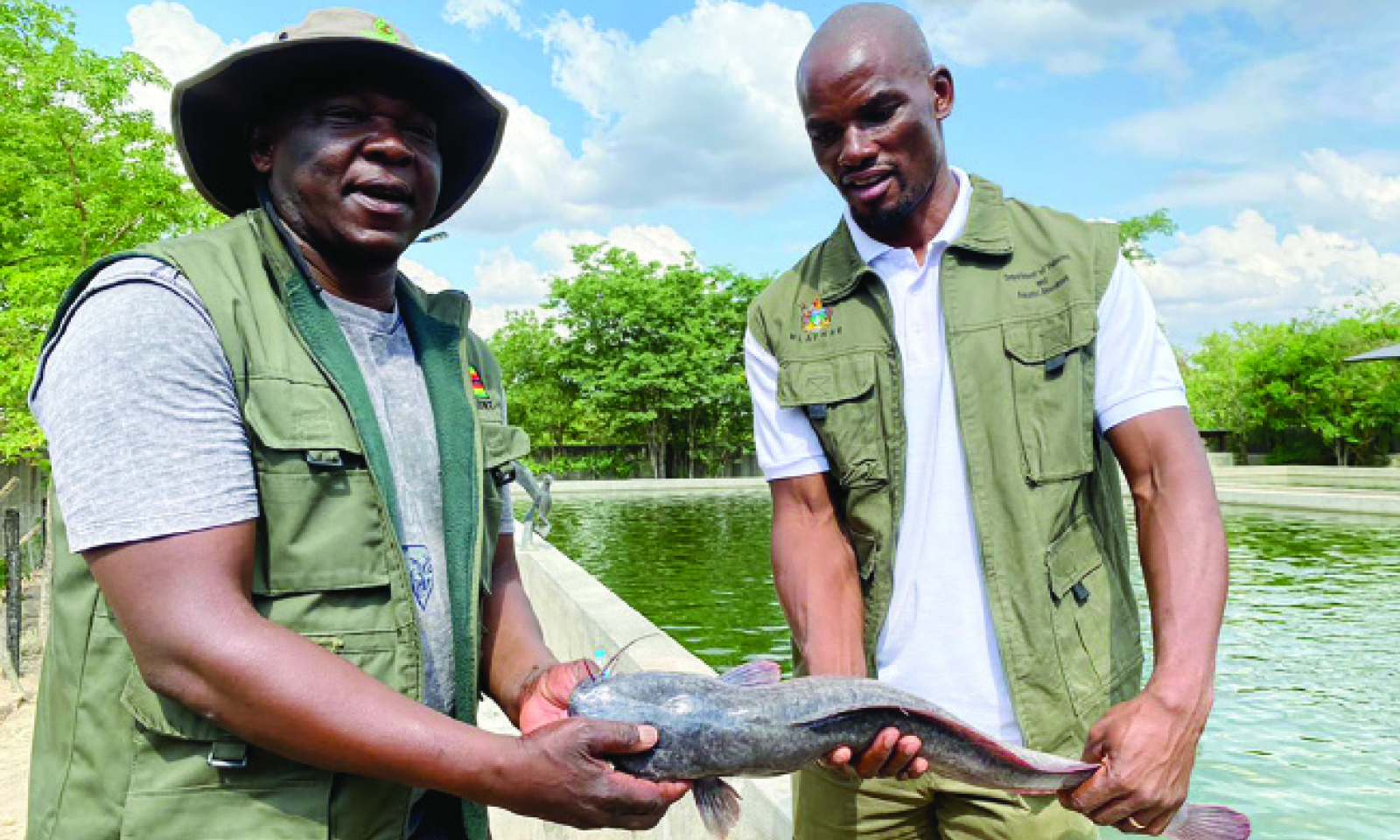
Muchaneta Chimuka
WHAT started as a small project has blossomed into a lucrative business for a Seke-based fish farmer.
Mr Gift Jeche (54), of Mushaninga village, under Chief Seke, is now pocketing more than US$26 000 from each harvest. From the proceeds of his thriving enterprise, he has managed to buy a brand-new truck, build a modern house and pay school fees for his children. He currently operates three ponds, two of which are stocked with tilapia, while the third contains a mix of tilapia and catfish.
“I started fish farming in 2016 and have managed to construct three ponds. I am realising over US$26 000 per harvest, and I have managed to purchase a vehicle and build a house,” he said.
“I used to buy fingerlings from a farmer in Bindura and now I am hoping to construct another pond where I can breed the fingerlings and expand my business.
“Above all, this will sustainably benefit local fish farmers.”
Community enterprise
Mr Jeche, a beneficiary of the Presidential Community Fisheries Scheme, sells his fish directly to walk-in clients, most of whom prefer buying fresh fish straight from the pond.
“I do not have refrigerators because I normally sell live fish from the net to the client. My clients know that we harvest our fish every six months, so they place orders through phone calls, and we have created a WhatsApp group for easy communication,” he said.
“They come here, we harvest the fish, weigh them and make deals. I have maximum security here — a precast wall, ferocious dogs and security workers who know their work.
“Even potential thieves know this is not a place to play around, because they study the area before making attempts.”
Most of the community members are already benefitting from the project as Mr Jeche regularly shares information with fellow farmers and sometimes offers them fingerlings for free.
He practices integrated farming, combining fish rearing with duck production, which helps sustain a healthy pond ecosystem.
“Ducks help in controlling pests, provide natural fertilisers and create a balanced and productive environment. They also eat fish that might have died. As they swim, they aerate the ponds, thereby providing life to our fish. It is a natural ecosystem,” added Mr Jeche.
“Fish provides a reliable source of protein and improves food security for communities. I have another job, so I have employed people to help, because the fish need to be fed and pond water must be changed every two weeks. This has created employment for others. The nutrient-rich water we extract from the fishponds is used for irrigation. We have vegetables and fruit plantations within our yard.”
He, however, raised concerns over fake aquaculture inputs on the market.
“Fish farmers are losing revenue daily due to unscrupulous dealers who sell fake fingerlings, seeds and chemicals. We encourage our fellow farmers to buy such items from reputable companies to avoid losses,” he said.
“We also face challenges of water quality. I have seen several farmers quitting the business because they were using council-treated water, which is not suitable for fish survival.
“Fish require natural water. Poor water quality caused by waste build-up or pollution from drugs or pesticides can harm fish and their environment. Technical expertise and training are key to being a successful fish farmer and that knowledge should be shared with your workers. I work closely with agricultural extension officers who advise me where necessary,” he said.
Government support
A fish field day was recently held at Mr Jeche’s homestead.
Director in the Department of Fisheries and Aquaculture Resources Production, which falls under the Ministry of Lands, Agriculture, Water and Rural Development, Mr Milton Makumbe said the farmer’s project fits into the broader vision of transforming Zimbabwe’s economy through fisheries and aquaculture.
“Together, we are laying a foundation for a US$1 billion fisheries and aquaculture economy by 2030, aligned with Vision 2030,” said Mr Makumbe.
“Nationally, our sector currently produces 31 000 tonnes of fish annually, yet demand stands at 60 000 tonnes.”
A recent Aquaculture Frame Survey, he said, identified 107 active fish farmers in Seke district.
The number continues to grow as more people see the potential of the business.
“Last year, we had 285 fish farmers and this year the number increased to 425. We are looking forward to installing 250 fishponds in Seke,” he said.
“We anticipate significant growth in production, market access and farmers’ income, but we must confront the challenges that threaten this progress. We have observed poor pond construction standards, including shallow depths, inadequate lining and lack of protective fencing, which compromise water quality and fish survival. The presence of bogus input suppliers is another concern, which we aim to curb through the forthcoming Fisheries and Aquaculture Bill, a legislative tool designed to protect farmers and uphold industry standards.”
The Government is promoting fish farming as part of efforts to ensure household and national food and nutrition security.