admin
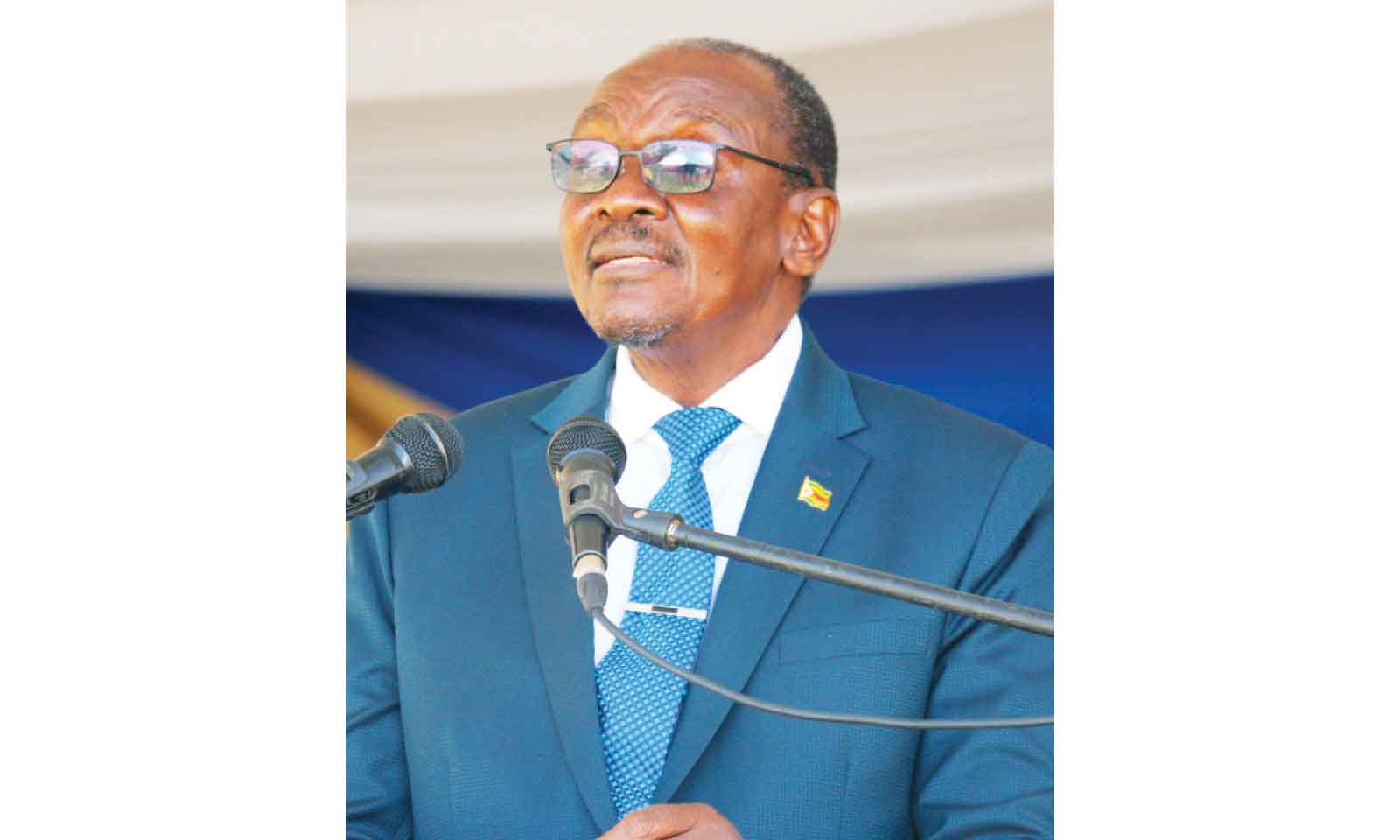
adminservices, Chief Secretary to the President and Cabinet, Dr Misheck Sibanda said yesterday.
Officially opening the management development programme for permanent secretaries, principal directors and directors in Harare yesterday, Dr Sibanda called on the senior civil servants to improve service delivery.
“The objectives of this training are enhancement of the capacity of public officials in senior positions to deliver quality services to the Zimbabwean citizens, broadening the bureaucrats’ understanding of their varied roles and responsibilities in the discharge of their mandates.
“We also want to ensure that the inclusive Government works as a unified and coherent unit and developing competencies that enable the target groups to respond in a strategic manner to the complexities of management in their sectors,” Dr Sibanda said.
He urged participants to aim at achieving results even with limited resources. He said: “The continuous changes in the domain of public administration practice and procedures the world-over; it also becomes imperative to constantly adapt and refocus our training programmes.
“Like most Governments elsewhere operating under conditions of increa-sing scarcity of resources, where the pressure is on us to achieve more with less, to be more responsive to the needs of our stakeholders and to prioritise the provision of quality service is critical.”
Dr Sibanda said the formation of the inclusive Government had brought challenges and expectations that nece-ssitated “the acquisition and development of multifaceted skills for top echelons of the civil service bureaucracy”.
“This has been further exacerbated by the loss of institutional memory in Government ministries owing to the high staff turnover witnessed in the last few years.”
Meanwhile, the Deputy Director of Protocol in the Ministry of Foreign Affairs, Mr Claudius Nhema, said his ministry was concerned with directors in other ministries who delegated their juniors to attend important inter-ministerial meetings.
Addressing the same workshop on Monday, Mr Nhema said: “When we call for inter-ministerial meetings, there are some directors who send their juniors who do not have the authority to make decisions on behalf of the ministry.
“We want to be represented at the appropriate level. When we call for those meetings we want you directors to come because you can make decisions for the ministry. At those meetings (inter-ministerial) we allocate responsibilities for various ministries and when we ask some of those juniors they would say, I will have to consult with my boss first,” Mr Nhema said.
He said if there would be a genuine reason why directors could not attend the meetings, they should make follow ups to make sure things were in order. Mr Nhema also called for time consci-ousness among senior civil servants.
The workshop was organised by the Office of the Chief Secretary to the President and Cabinet. The office has engaged Eastern and Southern African Management Institution to train senior civil servants.
The training is aimed at equipping permanent secretaries, principal directors and directors with requisite knowledge and skills vital in the discharge of their duties.


 Online Reporter