Online Reporter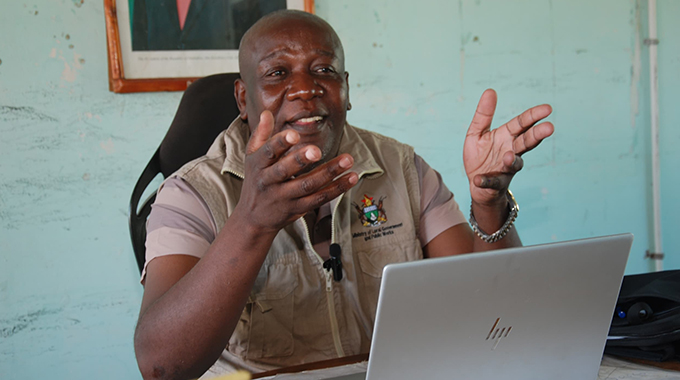
Fungai Lupande, Features Writer
AS Mozambique celebrated 50 years of independence on Wednesday, June 25, the festivities extended beyond its borders into neighbouring Zimbabwe, particularly in Mbire District, which has strong cultural ties to Mozambique.
The official celebrations took place at Machava Stadium in Maputo and was attended by various dignitaries, including President Mnangagwa.
While the main event was hosted in the capital, every district in Mozambique held its own celebrations and the neighbouring district joined in as well.
In Mbire, preparations began on June 24 as people in Mahuhwe, Mushumbi and other nearby villages gathered their best outfits and embarked on a journey to Chitete, the Mozambican district just across the border.
This three-day celebration is locally known as Festa, a Portuguese word for holiday or party.
By the time our media team arrived in Chikafa, a Zimbabwean borderland village, there was excitement all around.
Men, women and youth were gathered at growth points, waiting for the right time to cross into Mozambique.
Yet, amid the festivity, a quiet session was unfolding under a tree, one that spoke to the deeper social realities that run alongside celebration.
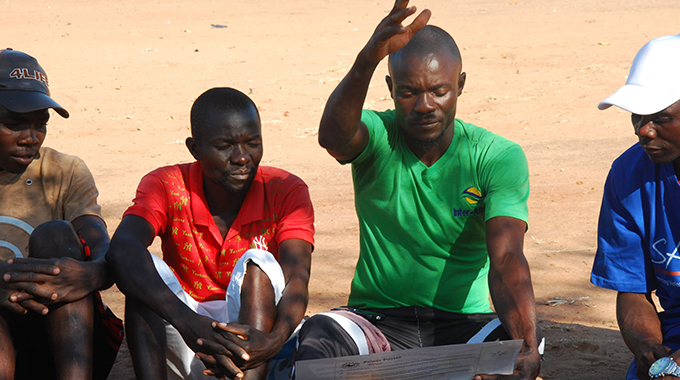
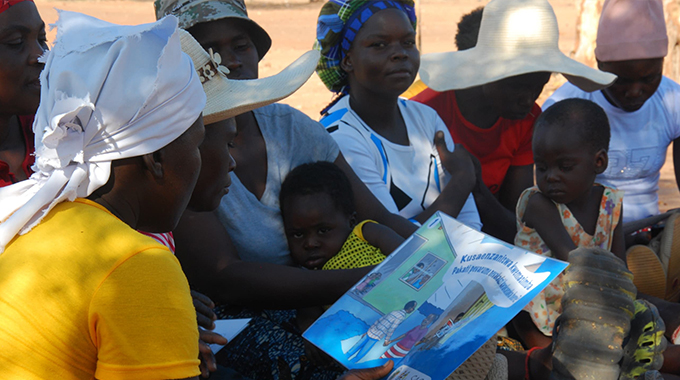
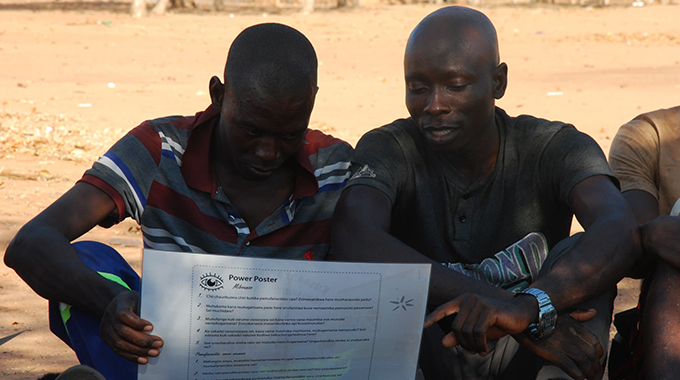
Organised by the National Aids Council (NAC) in partnership with Katswe Sistahood, the gathering was part of the Sasa Programme (Start Awareness, Support Action) — a community-led initiative aimed at tackling gender-based violence (GBV), child marriages and vulnerability to HIV.
Using visual tools such as placards and posters, the session focused on how to challenge harmful gender norms and power imbalances.
The programme, which has taken root in these communities, especially during cross-border festivities, has become crucial in fostering responsible behaviour and protecting health rights.
Among those at the session was 22-year-old Tendai Mutematsaka, who candidly shared her excitement.
“By 8PM, I’ll be heading to Chitete,” she said with a beaming smile.
“We are going to dance, act in drama performances, and just enjoy the celebration with our relatives and friends across the border.”
Tendai was also aware of the risks associated with such gatherings.
“Sometimes men want to pursue sexual relationships, and I always carry protection just in case,” she added.
Her words reflect a growing consciousness among young women, many of whom have benefitted from peer education through programmes like Sasa!
Her uncle, Mr Samson Mutematsaka, a rank marshal in Chikafa, acknowledged the delicate balance between celebration and consequence.
“In the past, these events would spark domestic conflicts. Men would come back drunk or got involved in extramarital affairs, leading to GBV,” he said.
“Now, through Sasa! sessions, we talk to each other about respecting our families and the importance of protected sex.”
But not everyone was headed to the party.
For 38-year-old Mr Charles Mutematsaka, a community member living with a disability, the focus was on an equally momentous personal event — paying lobola (bride price) for his partner.
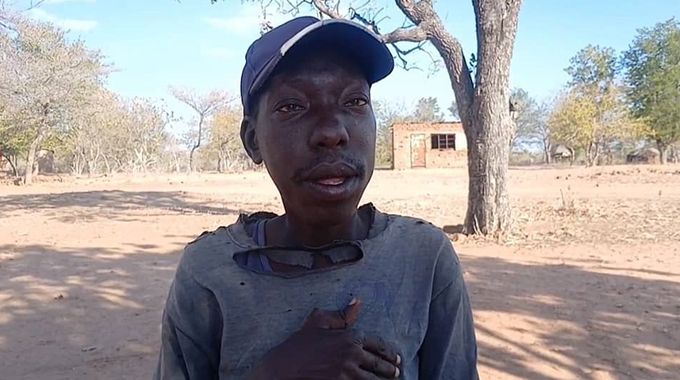
Charles, who never misses a Sasa! session despite needing help to reach venues, said inclusion has transformed his life.
“I’m grateful that my community sees me. The Sasa! programme taught me how to build a peaceful, respectful family.
I feel supported, informed and involved,” he said.
NAC District Aids Co-ordinator, Mr Cloudious Musandaira, highlighted public health concerns that accompany large cross-border gatherings.
“Our biggest worry during these events is the potential spike in HIV infections and other sexually transmitted diseases,” he explained.
“Chitete gets overcrowded and sometimes condom supplies don’t meet the demand. We are advocating for an assessment of behaviours during such times, to improve our programming.”
Despite the concerns, co-ordinated efforts have improved cross-border health support.
“We have mechanisms to ensure medical access on both sides. Some people in Chitete are part of our Community ART Refill Groups and the Community Adolescent Treatment Supporters (Cats),” Mr Musandaira added.
“The two districts are intertwined. We are doing everything to maintain low new HIV infections in these communities.”
Beyond health, there are historical and cultural ties that continue to bind the two regions.
Mbire District Development Co-ordinator, Mr Richard Maruta, said the relationship extends beyond Mozambique and includes Zambia, which also borders Mbire.
“On April 18, during our own Independence Day celebrations, representatives from both Mozambique and Zambia attended,” he said.
“Now it’s our turn to reciprocate. We were invited to attend the celebrations in Chitete.”
Mr Maruta said the three countries —Zimbabwe, Mozambique and Zambia — have jointly embraced the Zimoza concept, which promotes collaboration in development, culture and governance.
“Zimoza is our framework for sharing programmes across borders,” he explained.
“We share health facilities too. During the cholera outbreak, many Mozambicans received treatment in Zimbabwe.
Similarly, Zimbabweans are treated at Luangwa Hospital in Mozambique.”
The region also faces common challenges such as human-wildlife conflict and climate change-related pressures.
“We intermarry, we bury our dead together and we share both the joy and the hardship of this region,” said Mr Maruta.
As the sun set over Chikafa, the crowd slowly began to disperse towards the Mozambican border.
This bond is perhaps best summed up not in a report but in the joyful preparation of hundreds of people from Mbire as they made their way across the dusty paths to Chitete, dressed in colourful attire, with laughter and hope of a shared future.