Moffat Mungazi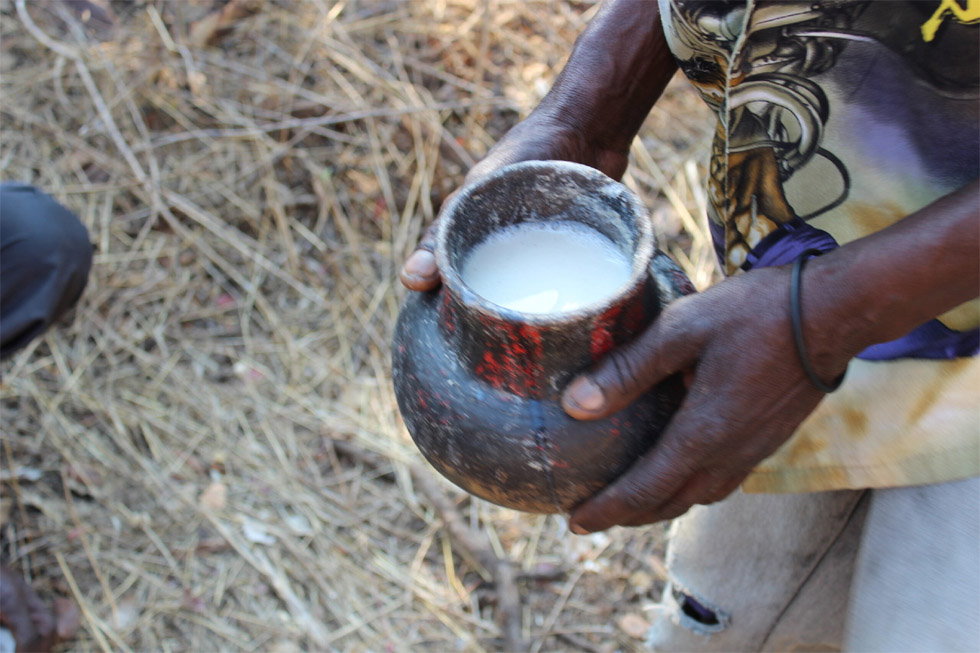
Rodgers Irimayi
Cultural Perspectives
THIS week’s focus is on traditional cultural artifacts and their significance, especially in this modern day where technology has become the epitome of cultural dynamics.
There are several categories that these artifacts can be grouped into which include: traditional; pre-colonial; colonial and post-colonial; as well as archaeological artifacts.
Traditional cultural artifacts are tangible objects that hold significant cultural, historical and symbolic meaning, and represent the country’s rich cultural heritage, values, and traditions.
In Zimbabwe, they can be found in various museums, cultural centres, and historical sites throughout the country.
It is important to note that there are others that have not yet been brought on record, but do exist in our communities.
The traditional cultural artifacts comprise those that often carry significant social, spiritual and historical meanings which showcase the skills and creativity of Zimbabwean people.
Traditional crafts that are famous include pottery, reed basket making, textiles, jewelry, stone and wood carving.
Reed artifacts
These artifacts provide a cultural identity for communities in that they reflect their values, beliefs and traditional systems.
The reed-mat is used in various ceremonials which include funeral rituals and ceremonies.
At funerals, the Shona people place the reed-mat in the grave first before the coffin which carries the remains of the dead.
During marriage ceremonies, the bride is expected to sit on the reed-mat as she is brought into the family. It is easy to tell a community’s cultural heritage through these artifacts as they provide a tangible connection to their past.
Most people’s backgrounds can easily be tracked back through the historical significance of the tools and items they use.
It is therefore prudent to preserve these artifacts as windows to the past as they provide insights into historical events, cultural practices, norms and social systems and beliefs.
Artifacts provide confirmation and substantiate the evolution of a culture over time, showcasing changes in technology, artistry, and values.
The reed-baskets are widely used in the African societies for various purposes including carrying things and as wall decorations.
Shona sculptures are renowned for their stone sculptures, often carved from local serpentine, soapstone, or granite.
These sculptures depict human figures, animals, and abstract forms, and are considered a significant art form that has gained international recognition.
Shona stone carvings sculpted using high quality locally sourced stones are a prominent form of contemporary African sculpture which is composed of modern art movement of stone sculptures that originated in Zimbabwe.
They are very much sought after by collectors and art lovers worldwide, and they have won many international acclaimed awards.
Shona stone carvings
The Shona people are renowned for their stone sculptures that depict human figures, animals, and abstract forms which are considered a significant art form that has gained international recognition.
It is prudent to understand that what might be taken for granted can be highly marketable internationally, and become a source of income for families and the nation.
Tourists are attracted to these artifacts, with some visiting the country solemnly in pursuit of such works.
In the field of ceramics, many men and women have skills in making clay pots and cooking utensils.
Traditional pottery, often hand-formed and decorated, is used for cooking, storage, and cultural ceremonies. The pots are typically made from clay found locally and often feature unique designs that vary by region.
Ceramics/ clay pots (hari)
Pfuko, hadyana, hodzeko
There are various types of the clay pots used for various purposes such as cooking (hadyana, mbiya, rwenga) and for storage (mbidziro, hodzeko, hwedza, gate). They are all made from clay soil which is a ubiquitous raw material because it is found in large quantities naturally and is easy to form.
Zimbabwean artifacts are also found in wood carvings which are in the form of utilitarian and artistic objects.
Carved wooden objects include household items such as bowls, spoons, and masks that are decorated with intricate designs.
Artistic wooden totems and figures are shaped to represent clans and ancestors as a way of reflecting the spiritual beliefs of the people.
Another area of specialty in Zimbabwean artifacts is beadwork where traditionally beaded jewelry is done. Beads are a significant component of the national culture, used in necklaces, bracelets, and various decorations.
Depending on the tribe, the unique styles vary accordingly and the colours used often depict and convey the social status, identity, or tribal affiliation.
There are also traditional musical instruments such as mbira (thumb piano) and drums that typify the Zimbabwean tradition.
Mbira is a traditional Zimbabwean instrument that is played by plucking metal keys attached to a wooden board, while drums are made from special hollow tree trunks with animal skin.
These instruments are often played during ceremonies and social celebrations where they are believed to have deep cultural significance associated with spiritual communication through their rhythm.
It is believed the drum is a very spiritual instrument as it is used to evoke and summon spirits during traditional ceremonies.
It is taken as very sacred in some societies as it is also regarded as an instrument of the mediators.
However, because of the changing cultural dynamics, the younger generations tend to have different perceptions about the belief.
Mbira and drums are now being used in circular music as the cultural dynamics take centre stage.
There are different types of drums and these include dandi, mutumba, mhito and many others.
Mbira types include njari, nyunganyunga, dzevadanda and dzevadzimu, katsanzaira, and dongonda.
There are also significant rock-art sites, such as those found in Matobo Hills.
These cave paintings that depict daily life, animals, and spiritual beliefs of the early inhabitants and are crucial for understanding the region’s history.
There are numerous such sites in the rural areas and mountainous areas especially in curves and government ought to take measures in recording them.
Unlike some countries in the northern regions of Africa, Zimbabwe has no special traditional garments or attire made from locally woven materials.
Nigeria and Ghana are examples of countries that have dressing identity that often features vibrant patterns and colours.
The Government is making great strides to promote the national dress code and various players are busy marketing the fabric at numerous platforms.
The reason why the national fabric has been having less takers is that many have been confusing the fabric with political attire.
Far from it, the purpose of having a national dress is to try and have an identity and cultural connectivity with a significance.
Traditional cultural artifacts from Zimbabwe are, not just artistic expressions, they have an insightful cultural, spiritual, and historical significance.
They also serve as a means of storytelling, preserving history, and fostering a sense of identity among communities.
Many of these artifacts continue to be used in ceremonial rituals and celebrations which in turn keeps cultural practices alive and passing them down to younger generations.
However, the younger generation is faced with other competing cultures that come with the internet through globalisation.
Rodgers Irimayi is the Ministry of Information, Publicity and Broadcasting Services Masvingo Provincial Information Officer. He writes in his personal capacity and can be contacted on +263778246098 or [email protected]



 Online Reporter