admin
admin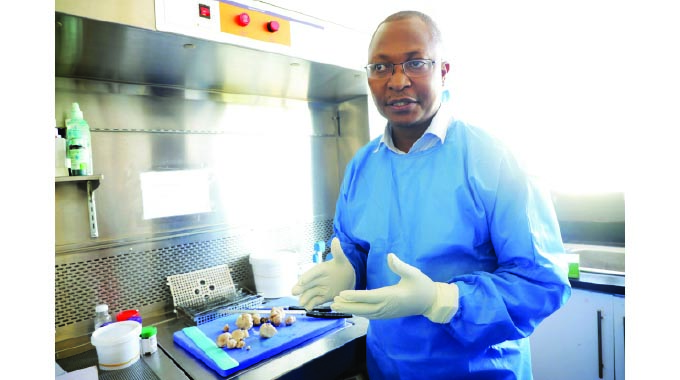
Rumbidzayi Zinyuke
Health Buzz
“Being a woman is not easy.”
This is one of the most common statements women often say.
They use this phrase to refer not only to the many day to day duties that they carry out, but also the silent struggles that they go through.
One such struggle that many Zimbabwean women face is uterine fibroids.
It is a common problem that they will rarely share with anyone, until the symptoms have become so bad that it affects their other daily duties.
While the exact prevalence is unknown, estimates suggest fibroids affect a significant portion of women in their childbearing years.
Lack of awareness and access to treatment can significantly impact their lives.
Uterine fibroids (also called leiomyomas) are common growths of the uterus.
These growths are not cancer, they almost never turn into cancer and they are not linked with a higher risk of other types of cancer in the uterus either.
Unfortunately, black women carry the burden of uterine fibroids at a much higher rate than their counterparts of other races.
In Zimbabwe, this problem is alarmingly common, affecting approximately one in three women of reproductive age.
Thus, increasing awareness and discovering a solution to an endemic problem that plagues Sub-Saharan Africa is of importance, not only for the region itself, but also for the medical community globally.
Medical experts blame various factors, including genetics, diet and hormonal imbalances, for the high prevalence of fibroids.
Despite their prevalence, uterine fibroids remain a taboo subject in many societies, causing a lack of awareness and limited access to information and treatment.
According to histopathologist Dr Shingi Bopoto, many women who have not been pregnant, those who got pregnant late and some who go for a long period between pregnancies are at higher risk of getting diagnosed with fibroids.
“Fibroids grow at different rates and at different speeds. You can have a single fibroid or more than one. Some of these growths are too small to see with the eyes. Others can grow to the size of a grapefruit or larger. A fibroid that gets big can fill the whole uterus and make the woman look pregnant,” he said.
Many people have uterine fibroids sometime during their lives but they may not know because they often cause no symptoms.
For those that do have, symptoms can be influenced by the location, size and number of fibroids.
The most common symptoms of uterine fibroids include heavy menstrual bleeding or painful periods, longer or more frequent periods, pelvic pressure or pain, frequent urination or trouble urinating, growing stomach area, constipation, pain in the stomach area or lower back, or pain during sex.
Rarely, a fibroid can cause sudden, serious pain when it outgrows its blood supply and starts to die. They also tend to shrink after menopause due to a drop in hormone levels.
Fibroids that form during pregnancy can also shrink or go away after pregnancy, as the uterus goes back to its usual size.
Fibroids that have grown big and cause problems can usually be removed through surgery but, according to Dr Bopoto, it is not guaranteed that once the operation has been performed, the fibroids will not continue to grow.
“The doctor removes fibroids that he can see with his eyes. But there are fibroids that are smaller, which he cannot remove, so they remain there. And because this woman’s risk has not been removed, new fibroids may start at any point.
“So these ones that have been removed, have been removed for good. But the smaller ones continue growing. And newer ones will form,” he said.
Although uterine fibroids often are not dangerous, they may lead to complications including anaemia and can cause fatigue from heavy blood loss.
Some fibroids can also cause infertility or pregnancy loss and can increase the risk of certain pregnancy complications like placental abruption, foetal growth restriction and preterm delivery.
Dr Bopoto maintains that although removing the fibroids is an option, there are times when it is safer to remove the whole uterus.
“Sometimes it’s not feasible to remove something quite big from a uterus. You know, if you cut that thing, the effect you leave on the uterus is so large. Or once you cut that thing out, controlling the bleeding becomes difficult.
“So sometimes it’s safer to remove the whole uterus.
“Another thing is that fibroids can also complicate, they can twist, they can turn into stones, or they can degenerate. So depending on all those complications, again, the gynaecologist may decide that it’s safer to remove the whole uterus rather than remove the fibroid.
“If a woman has completed her family, sometimes, the gynaecologist can look at the risk of removing fibroids versus the risk of removing the uterus. It becomes better to remove the uterus,” he said.
Researchers continue to study the causes of these tumours but they say more research is needed on how to prevent them.
Even if it is difficult to prevent them, experts say one may be able to lower their risk of getting a fibroid with healthy lifestyle changes such as maintaining a healthy weight, regular exercise and eating a balanced diet.
Some research suggests that birth control pills or long-acting progestin-only contraceptives may lower the risk of fibroids. However, using birth control pills before the age of 16 may be linked with a higher risk.
But linked with access to this knowledge about the condition itself, is the need for women who have been affected to have access to treatment.
For many Zimbabwean women, accessing quality healthcare and adequate treatment for uterine fibroids can be a challenge, particularly in rural areas where facilities may be hard to reach.
Financial constraints further exacerbate the problem, preventing women from seeking appropriate diagnosis, regular check-ups and necessary surgical interventions.
Beyond the physical hardships, women with uterine fibroids also endure emotional struggles. Their suffering is often met with scepticism and disbelief from family and friends.
Due to cultural beliefs and fears, some women are hesitant to discuss their symptoms openly, leading to feelings of isolation and shame. This emotional burden can take a significant toll on their mental health.
This, therefore, calls for improved awareness raising among communities to dispel the stigma surrounding fibroids and promote more open conversations.
Raising awareness about fibroids is crucial as such campaigns can empower women to understand the symptoms and seek medical attention.
Increased access to healthcare services, including ultrasound technology for diagnosis and potentially minimally invasive treatment options, would significantly improve the lives of women living with fibroids in Zimbabwe.
By shedding light on this silent struggle, Zimbabwean women can find the support and treatment they need to live healthy and fulfilling lives.
Feedback: [email protected]



 Online Reporter