Online Reporter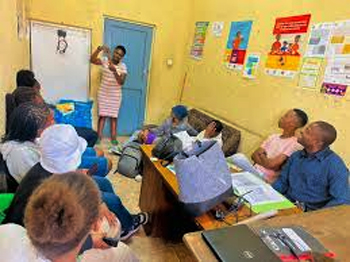
Tendai Gukutikwa
Health Reporter
YOUTHS living with HIV in Manicaland are embracing small scale entrepreneurship as a pathway to economic independence, with livelihood skills training now complementing traditional health support services.
The initiative — driven by a partnership between Action for Youth Foundation Trust and the Ministry of Health and Child Care — equips young people with practical production skills and financial literacy, helping them ease the financial pressures that often accompany a chronic condition.
Action for Youth Foundation Trust executive director, Mr Marvin Musekiwa, said the organisation is committed to empowering young people living with HIV so they can reach their full potential.
He emphasised that economic stability is vital for those navigating both health and financial challenges.
“They are managing a chronic health condition while facing economic instability. Without stable livelihoods, vulnerability increases and opportunities become limited,” Mr Musekiwa explained.
He noted that combining hands on skills with financial literacy enables youths to start and sustain micro enterprises.
For many, unemployment and stigma compound the difficulties of living with HIV.
Mr Musekiwa highlighted that limited income can affect access to essentials such as transport for clinic visits, adequate nutrition, and adherence to treatment.
“By promoting small scale entrepreneurship, the initiative aims to reduce those pressures and strengthen self reliance,” he said.
Mr Musekiwa said the goal is to shift the narrative from dependency to dignity. Young people, he noted, are capable of building sustainable livelihoods when given relevant skills and structured support.
They are managing a chronic health condition at the same time as dealing with economic instability. Without stable livelihoods, vulnerability increases and opportunities become limited,” he repeated.
For participants, the benefits extend beyond income.
A 23‑year‑old beneficiary from Mutare, who asked to be identified only as Tawanda, said the training changed his outlook.
“Before this, I was just sitting at home after finishing school. I depended on relatives for almost everything. Now I produce dishwashing liquid and sell it in my neighbourhood. It may not be a lot of money, but I can buy my own essentials and contribute at home,” he said, adding that earning an income has strengthened his confidence.
“When you are living with HIV, sometimes you feel like people judge you. However, when I am working and making my own money, I feel capable. I feel like I have something to offer,” he said.
Another participant, 21‑year‑old youth from Buhera, said the financial literacy component made a significant difference.
“I used to think business is just about selling, but we were taught to keep records and to separate profit from the money used to buy materials. That helped me not to spend everything at once,” she said, adding that the income has helped her manage practical challenges linked to her health.
“Transport money for clinic visits was sometimes a problem. Now I plan for it from my sales. I do not miss my appointments because I have no fare,” she said.