Rodrick Chinodakufa
Correspondent
IT starts the same way every time.
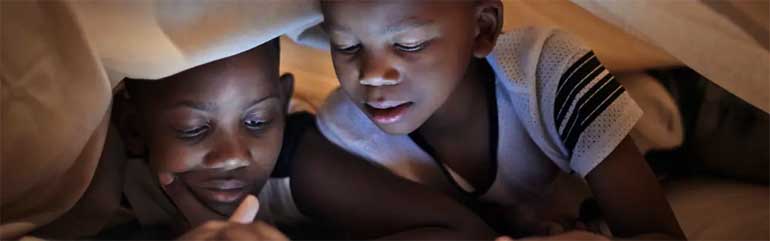
A backpack gets packed. A toothbrush gets wrapped in a plastic bag. A text lands on a parent’s phone: “Mum, can I sleep at Rudo’s tonight?”
In Zimbabwe and Mutare in particular, the sleepover is now a childhood rite of passage. One night away from home, on someone else’s couch, dining room and bedroom, eating snacks past bedtime. Harmless fun, right?
Not always. For parents, “Are sleepovers safe?” comes with anxiety.
For kids, “Can you come over?” comes with social pressure. For youth workers and psychologists, sleepovers are a microcosm of bigger questions: independence, boundaries, peer influence, and how much freedom kids can handle before they are ready.
This feature explores what sleepovers actually are, why they matter, and what both youths and adults really think when the lights go out.
A sleepover is when a child or teenager spends the night at a friend’s house instead of their own home.
Variations include “slumber parties” for groups of girls, “boys’ night” for gaming, or “pyjama parties” for younger kids.
They usually start after supper and end after breakfast. 7pm-7am. Time varies.
The activities usually include movies, games, junk food, gossip, TikTok dances and pillow fights. For older teens it is deeper talk, music, phones out all night.
The rules are set by the attendees themselves. Often looser than home rules. “No phones after 9pm” becomes “just keep it quiet.”
Why do kids love them and adults allow them? For the children, it is freedom and friendship. For parents it is trust and risk.
A child psychologist, Dr Tarisai Machingauta, said: “A sleepover is the time children experience ‘away from parents’ independence. It is not about the night. It is about practising adulthood in a safe-ish space.”
Said Tendai (14) from Chikanga who has been at several sleepovers: “You don’t really know someone until you have seen them without makeup, with bed hair, at 2am. Sleepovers make friends feel like family.”
Psychologists call this “prolonged unstructured time.” School gives 40-minute periods. Sleepovers give 12 hours. That is when real talk happens.
For many kids, it is the night away from mum/dad. They pack their own bag, remember their toothbrush, navigate someone else’s house rules.
Rudo (16) of Sakubva said: “After my first sleepover, I realised I could survive without my mom waking me up. Sounds small, but it was big for me.”
Psychologists say that sharing a room, resolving “she took my blanket” fights, respecting another family’s rules — are life skills kids acquire at sleepovers. They learn compromise without a parent moderating.
Ask adults: “What do you remember from age 12?” They rarely say “Mathematics class.”
They say: “That night at Keisha’s when we stayed up talking about boys.” Sleepovers create core childhood memories.
Mrs Martha Chikwanda, mother of three in Murambi low-density suburb said: “If I trust another parent enough for my child to sleep there, I am building a community. Parenting should not be in isolation.”
Some parents argue that in many Zimbabwean cultures, children were raised communally. Sleeping at aunt/uncle/neighbour’s house was normal. The modern sleepover echoes that. Gogo’s house was the original sleepover.
Dr Machingauta says kids who never have sleepovers often struggle socially later. Teens who never practise boundaries with peers may struggle with roommates at college.
However, there are happenings that parents fear at these sleepovers that kids keep quiet about.
Mr Kenneth Dube, a father in Greenside low-density suburb, said:
“In my house, I have rules, like no phones after 9pm for my secondary school children, and no phones in bedrooms for my primary school kids. But at my neighbour’s it is phones all night and Netflix. I have no control there. I can only imagine what will be happening when I allow my children to go there.”
Parents worry whether kids will be supervised by the host parents or a more mature adult.
Will alcohol/drugs be accessible? Will older siblings be home?
A survey I personally randomly carried out in Mutare revealed that 30 percent of parents did not know if the host parents would be home all night and did not even bother to find out.
They also did not know what exactly happens at the events. They simply took their children’s word.
Said a social worker with youths who asked for anonymity because of work confidentiality: “Of course, kids do not tell parents what really takes place. But from what they tell me there is inappropriate content like X-rated imported movies, explicit music, unsupervised internet access and, for older youths, sex and drugs. Even at some same sex events, homosexuality is taking place.”
Risk of abuse is one of the hardest topics. Parents are warned that sleepovers increase opportunity for abuse because kids are in private spaces overnight.
“Parents should know the adults in the home, have emergency contacts, and teach kids ‘body safety rules,’” advised the social worker.
And what do the youths themselves have to say?
I spoke informally to 15 youths aged 11-17 in Mutare.
Chipo (13): “If everyone is going and you don’t, people think you are a baby or your parents don’t trust you.”
“It is the only time adults are not listening to every word,” said Tafadzwa (15).
“At sleepovers you find out who people really are. No parents, no fake version,” said Kudzai (17).
However, others like Melissa (14) said: “Some parents just dump us and go to bed. No rules, chaos ensues.”
“I love sleepovers, but I wish parents would ask us what WE want, not just say yes/no,” said Rudo (16).
Sleepovers expose differences: who has the biggest house, newest phone, coolest snacks. Kids from lower-income homes may feel shame. Hosts may feel pressure to “perform” as perfect parents.
The key insight I gathered was that youths want more voice in the decision, clearer rules, and less pressure to be “on” all night.
Some parents see no problem in letting their kids attend.
Mrs Sikhulekile Nkomo from Dangamvura, said: “My daughter has slept at her cousin’s house since she was seven. I know the family, I know the rules. To me that is normal African parenting.”
Mr Smith Mutemachayi had different views: “We do not do sleepovers until age 13 minimum. I need to know the parents, see the house, meet the kids. Paranoid? Maybe. But I sleep better.”
Mrs Denelle Nyabani said: “I have a checklist: I meet parents, see their programme, no older siblings and friends.”
Mbuya Catherine Nhongo (72) said: “In our day, children slept anywhere in the village. Someone’s mother was always watching. The problem today is parents don’t know each other. The village is gone.”
Because it is happening, parents can help make sleepovers safer and better. Experts and experienced parents suggest that parents need to know the parents hosting. They also need to know if adults are home all night to make sure nothing gets out of hand, but without intrusion.
Mixed boys and girls sleepovers at young ages create more parental anxiety. The best is to wait until mature.
Teach the kids safety, by telling them: “If anyone makes you uncomfortable, call me.” “Don’t do something because you feel left out.”
Check in, don’t interrogate. “Did you have fun?” beats “What did they talk about? What did you eat?”
For youths the advice is: Bring your own boundaries: “I don’t watch blue movies. I don’t do drugs” are valid sentences.
If a friend refuses to do something everyone else is doing, respect their decision. Don’t mock them.
Sleepover is cool too. You don’t have to stay up all night to have fun.
In Zimbabwe sleepovers at extended family are normal.
Sleeping at aunt’s house is different from sleepover at friend’s house. More supervision, less strange danger.
A sleepover is never just about one night. It is about trust, independence, and how we raise kids for a world where parents can’t control everything.
For youths, sleepovers say: “You trust me to be myself away from you.” For adults, allowing them says: “I trust you to handle freedom.”
The healthiest families treat sleepovers like driving lessons: start slow, set rules, debrief after, adjust as kids mature.
Mbuya Nhongo said it best: “The village raised the child. If we want sleepovers to be safe, we must become a village again. Know each other. Watch each other’s children.”
So next time your child asks: “Can I sleep over?”, the answer is not just yes or no. The answer is: “Let us talk about it.” Because the conversation matters more than the night itself.
Sleepovers: What happens when the lights go out, the rules go home