Online Reporter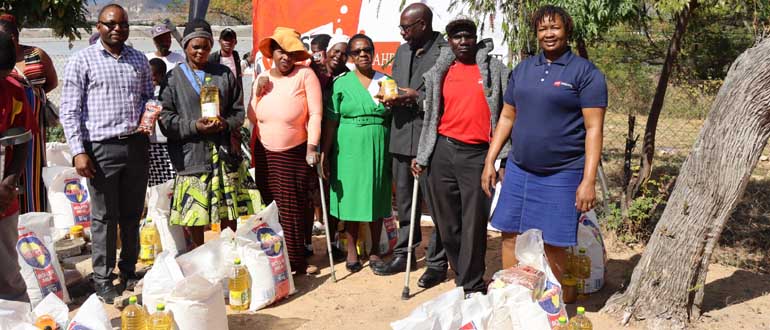
Tendai Gukutikwa
Health Reporter
IN a bid to strengthen treatment adherence and improve nutritional wellbeing of vulnerable people living with HIV, the AIDS Healthcare Foundation (AHF) distributed food hampers to 30 beneficiaries at Dangamvura Polyclinic last Friday.
The initiative, dubbed the Food for Health Programme, combines nutrition support with sustainable income-generating projects.
In an interview, AHF medical officer, Dr Pardon Maringe, said the programme seeks to address food insecurity among recipients of HIV care and other vulnerable groups whose health outcomes are often compromised by inadequate nutrition.
He said it was designed to improve food security and nutritional status among recipients of care, their families and affected communities.
“The programme recognises that treatment alone is not enough. Many of our recipients of care face significant socio-economic challenges that make it difficult for them to maintain good nutrition. Through this programme, we are supporting vulnerable individuals so that they can remain adherent to treatment and achieve positive health outcomes,” he said.
The 30 beneficiaries received hampers comprising 20 kilogrammes of maize-meal, four litres of cooking oil, three kilogrammes of sugar beans and one litre of peanut butter.
Dr Maringe said beneficiaries were selected from recipients of HIV care registered at Dangamvura Polyclinic, and identified based on additional vulnerabilities such as tuberculosis infection, chronic illness within the family, disability, orphanhood, child-headed households, old age without support, female-headed households, pregnancy, large household sizes and poor living conditions.
He said food insecurity remains one of the major barriers to effective HIV treatment, often affecting patients’ ability to take life-saving medication consistently.
“Many HIV medicines and treatments for opportunistic infections can cause stomach discomfort when taken on an empty stomach. When patients do not have enough food, some end up skipping medication doses, increasing the risk of treatment default.
“This can result in disease progression, weakened immunity and, in severe cases, death,” said Dr Maringe, adding that people living with HIV have higher nutritional and energy requirements because the infection increases the body’s metabolic demands.
“For the immune system to recover fully, antiretroviral therapy must be accompanied by adequate nutrition. Without sufficient food, even individuals on treatment remain vulnerable to opportunistic infections and other HIV-related illnesses.”
A unique aspect of the programme is its sustainability model, which relies on agricultural production rather than donor dependence.
The food hampers are funded through proceeds generated from a greenhouse and open-garden project established through a partnership between AHF and Mutare City Council.
Dr Maringe said produce grown at the project is sold on the market, with surplus income channelled towards purchasing food hampers for vulnerable recipients of care.
“The project is designed to sustain itself. After meeting operational costs, profits from the sale of vegetables are used to purchase food hampers.
“This enables us to continue supporting vulnerable households while creating a lasting solution to food insecurity,” he said.
He said AHF played a pivotal role by working with Mutare City Council to secure land, funding the greenhouse construction, providing initial agricultural inputs and supporting casual workers involved in the project. The organisation also engaged an agronomist to provide technical guidance and oversee production activities.
Beyond food assistance, the initiative has positively impacted beneficiaries’ livelihoods and health outcomes, by contributing to a reduction in treatment default rates while also creating income opportunities for participants in the agricultural project.
“We have seen fewer treatment defaulters among beneficiaries. Some of those working within the project are now able to generate income which helps them purchase medicines for other chronic conditions such as diabetes and hypertension when these are not readily available at health facilities.”
Despite its successes, the programme has not been without challenges.
Dr Maringe said extreme weather, crop infestations and market difficulties have affected operations at different stages. He recalled that strong winds in November last year severely damaged the greenhouse by tearing off its roof, resulting in the loss of an entire English cucumber crop.
“We also experienced challenges from pests, diseases, rodents and even invasions by monkeys and baboons, which affected crop yields and profitability. Market competition for some of our produce also reduced returns at certain times,” he said.
However, the programme has continued to recover and expand despite these setbacks. Looking ahead, AHF plans to extend the initiative to reach more vulnerable households across Manicaland.
“Our vision is to expand this programme to other communities in Manicaland. As AHF continues to establish services at additional sites, we are working with local authorities to identify suitable areas where similar greenhouse and garden projects can be introduced,” he said, adding that they intend to roll out the initiative in Mafararikwa, where the Girls Act Programme, which empowers adolescent girls and young women through sexual and reproductive health education, is being implemented.