

 Online Reporter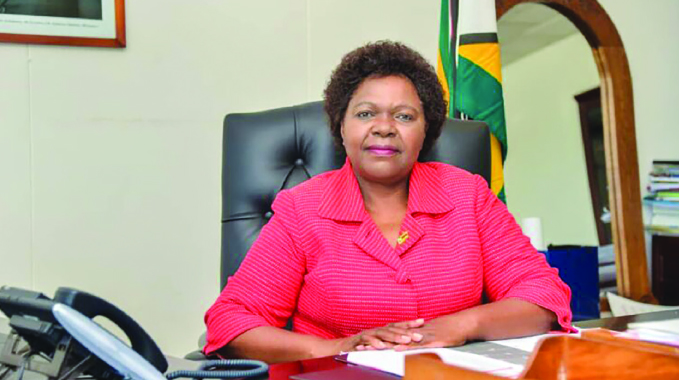
Sikhulekelani Moyo, [email protected]
THE review of the Small and Medium Enterprises (SME) Act is expected to address the challenges faced by small businesses and unlock their full potential by coming up with a legislative framework that supports growth and development.
The Ministry of Women Affairs, Community, Small and Medium Enterprises Development, in partnership with the World Bank and other stakeholders, is running consultative workshops countrywide to gather suggestions from players in the sector, which will help in the review process.
Speaking at the Bulawayo consultative workshop, permanent secretary in the Ministry of Women Affairs, Community, Small and Medium Enterprises Development, Dr Mavis Sibanda, who was being represented by the acting director SMEs and Co-operatives, Mrs Beauty Razemba said the existence of an SME Act underscores the country’s understanding of a fundamental truth that small and medium enterprises are not merely a segment of the economy; they are its pulsating heart.
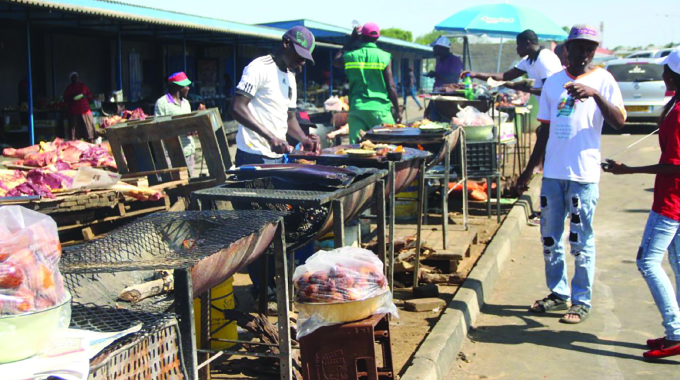
She said SMEs are the incubators of innovation, the engines of job creation, the drivers of local development, and the resilient force that propels the national aspirations forward.
“When the original SME Act was promulgated, it was a landmark achievement. It recognised the unique challenges faced by small businesses and sought to provide a framework for their growth and sustainability,” said Dr Sibanda.
“It aimed to foster an environment where dreams could be translated into viable enterprises, and where local talent could flourish. And indeed, it has served us well, contributing significantly to our economic landscape.
“However, the world is a dynamic place. The global economic landscape, technological advancements, and evolving market demands mean that what was effective yesterday might not be optimal today, and certainly not tomorrow.”
Dr Sibanda said SMEs operate in an increasingly complex and interconnected world where they face new opportunities and new challenges — from navigating the digital revolution to accessing competitive finance, from global supply chain disruptions to the imperative of sustainability.
“Our objective today and throughout this review process is to critically assess whether the existing Act adequately addresses the contemporary needs and aspirations of our SMEs,” she said.
The micro, small and medium enterprises sector is a significant contributor to the country’s economic growth and development.
The consultant of the SMEs Act review process, Mr Tangai Tazvishaya, said the MSMEs operating legal framework and environmental conditions are hindering growth.
He said this is evidenced by the growing number of SMEs operating informally as 94 percent of SMEs are not registered.
Mr Tazvishaya said as such only five percent of SMEs are able to access loans.
“The objective of this review is to evaluate the SMEs through carrying out a thorough analysis of the MSMEs sector needs and policy gaps and benchmarking the MSMEs programmes and interventions with regional and international best practices,” said Mr Tazvishaya.
In an interview, the Zimbabwe Chamber of SMEs ‘ vice president, who is also the chairperson for Bulawayo Chamber of SMEs Mr Coustine Ngwenya, said the Act was not responsive to the needs and aspirations of the sector.
He said the business climate is always changing, and the Act was hindering the growth of SMEs.
“The Act, which is there, is like it was inherited from the colonial era, as it was not responsive to the needs of the SMEs,” said Mr Ngwenya.
He said this includes even the by-laws of local authorities.
“A lot of buildings have been converted into small shops, which means those shops at the back cannot be licensed,” he said.
The SMEs Act was promulgated in 1983 and was then reviewed in 2011. — @SikhulekelaniM1


 Bongani Ndlovu
WHT, BVR, Presumptive TAX, bank charges, umpteen licenes…. Authorities do not want SMEs to ACTUALLY survive!