Online Reporter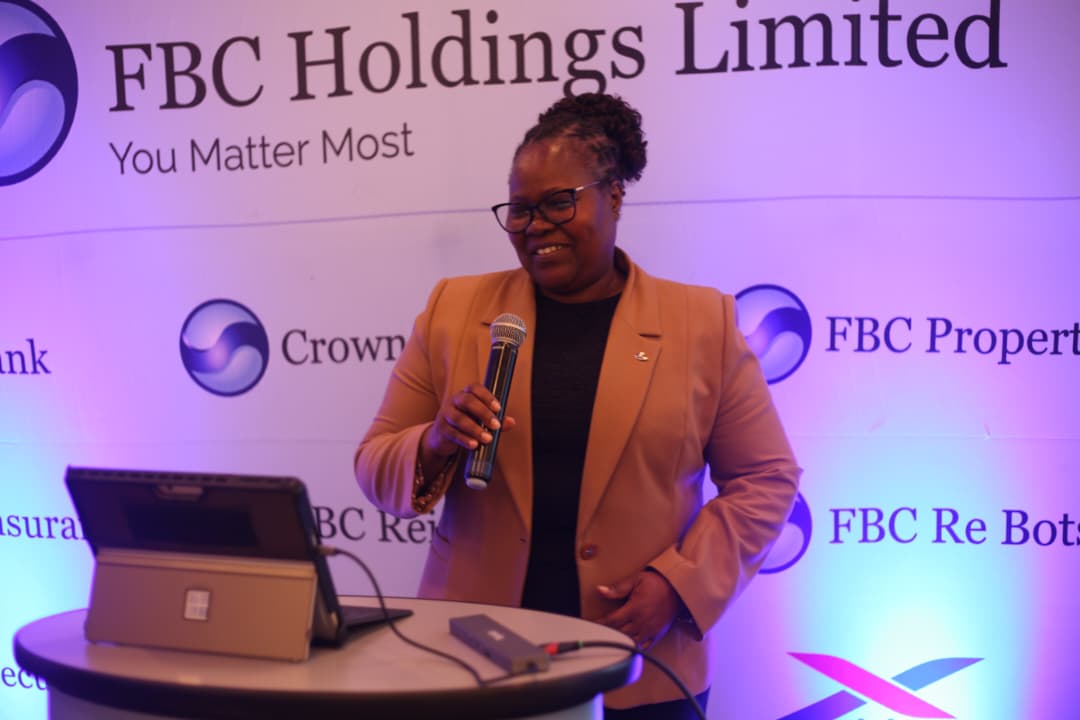
Judith Phiri [email protected]
THE Reserve Bank of Zimbabwe (RBZ) has called on small and medium enterprises to utilise digital payments in today’s evolving economy as a strategic enabler of financial inclusion, productivity and sustainable economic growth.
Speaking at the World SME Day: Commemoration Seminar in Bulawayo on Tuesday, RBZ Chief of Digital Financial Services and Licensing, National Payments Systems, Mrs Julia Njobo said from a global perspective, digital payments are increasingly recognised as a catalyst for financial inclusion and economic advancement.
“According to Annan, Cheung and Giné (2024) digital payments reduce transaction costs while enabling SMEs to access markets, finance and digital commerce opportunities.
“While, the World Bank (2024) Financial Inclusion report highlight that digital financial services are lowering costs, increasing speed, security, and transparency of transactions, enabling access for underserved sections,” she said.
said regionally, Africa remains the global leader in mobile money adoption, leveraging digital payments to bridge financial access gaps and support SME growth.
Mrs Njobo said State of the Industry Report on Mobile Money by GSMA (2025) indicate that mobile money has evolved from a tool for financial inclusion into a thriving industry with vast business potential.
She added: “Through licensing, risk-based supervision, consumer protection and interoperability requirements, the RBZ promotes a secure, fair and innovative financial ecosystem that protects SMEs while fostering competition and growth in digital financial services.”
Mrs Njobo said Zimbabwe’s digital payments and cashless ecosystem supported SMEs through faster payments, lower costs, greater financial inclusion, convenience in payments and digital transaction histories among others.
She, however, said digital financial services had some challenges that include cybersecurity and fraud risks, financial and digital literacy as well as merchant and SME adoption barriers.
“As RBZ we have put in place enforcement of cybersecurity and trust in digital financial services. We have established the Fintech Regulatory Sandbox Framework, we are continuously updating cybersecurity frameworks and there is collaboration between central banks, financial institutions and fintechs,” she said.
“We are also doing capacity building and awareness campaigns to improve user protection, investing in secure infrastructure strengthens long-term system sustainability and adopting international standards (EMV, 24PFMIs, PCIDSS, ISO8023, SWIFT Customer Security Programme).”
On how to safeguard digital payments, Mrs Njobo called on SMEs to take precautions to ensure their digital and mobile payments remain secure.
She said they should use strong passwords, with unique password for their mobile money or banking apps and change it regularly.
“Where possible, enable two-factor authentication (2FA) for an extra layer of security, while also be cautious of unsolicited messages, phone calls, or emails asking for personal information. Always verify the source before responding,” she added.
“Ensure you are using apps and services from legitimate sources, such as official app stores or well-known providers as well as regularly check your transaction history for any suspicious or unauthorized activity.”
The event hosted by FBC Bank ran under the theme: “Future- Ready SMEs: Unlocking Growth Through AI and Inclusive Digital Finance.”