

 Online Reporter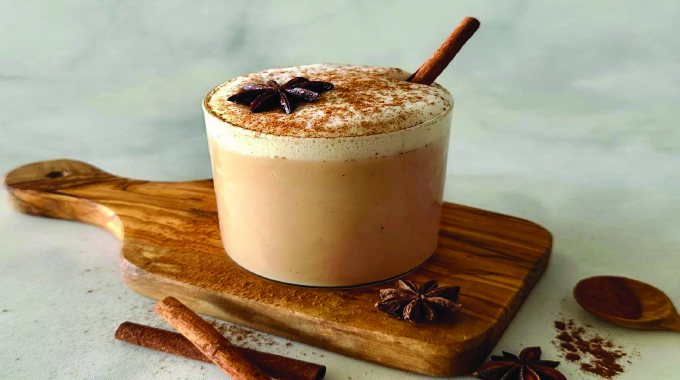
THE ubiquitous chai latte, a comforting blend of spiced tea, milk, and sweetener that we have introduced holds a lineage far richer and more ancient than its contemporary coffee shop prominence might suggest.
Its origins trace back thousands of years to the Indian subcontinent, where “chai” simply means “tea”, and the accompanying spices, known as “masala”, were integral to its very essence.
The story of chai begins not as a daily beverage, but as a healing concoction in ancient India. According to Ayurvedic texts, a traditional system of medicine, a blend of various spices was used for their medicinal properties. These early chai recipes likely included ginger, cardamom, cloves, cinnamon, and black peppercorns — a potent combination believed to soothe ailments, invigorate the body, and calm the mind. Black tea was not initially a core ingredient; rather, these early brews focused solely on the aromatic and therapeutic qualities of the spices, often prepared without milk or sugar. It was a fluid medicine, tailored to individual needs and seasonal changes.
The widespread introduction of actual tea leaves into the masala brew came much later, with the British colonisation of India. While tea drinking was already prevalent in China, the British East India Company aggressively promoted tea cultivation in India during the 19th century to compete with Chinese tea dominance. As tea became more readily available and cheaper, particularly “tea dust” and “fannings” (lower quality tea remnants), vendors in India began adding it to the traditional spiced infusions, along with milk and a sweetener, to create a more palatable and energy-boosting drink. This marked the birth of what we now recognise as “masala chai” — a staple beverage enjoyed throughout India, served from bustling street stalls to family homes, typically boiled vigorously with milk and sugar for a rich, creamy consistency.
The journey of masala chai to the Western world, and its subsequent transformation into the “chai latte”, began in earnest in the late 20th century. Travellers returning from India brought back a taste for this exotic and comforting drink, often recreating it in their own kitchens. However, it was the coffee house culture, particularly in North America, that truly popularised it. Recognising a demand for non-coffee alternatives that offered a similar warm, comforting, and somewhat indulgent experience, cafés began to offer their version.
The term “chai latte” emerged as a marketing adaptation, signifying a “latte” (milk coffee) but made with “chai” (the spiced tea). This Westernised version often differs from traditional Indian masala chai. Instead of being slow-boiled, it’s typically made from a concentrate or powder, steamed milk, and a generous amount of sugar, creating a smoother, often sweeter, and less intensely spiced drink. This accessibility, coupled with a desire for new flavour profiles beyond traditional coffee, quickly cemented its place on café menus across the globe.
Today, the chai latte is a phenomenon. It’s a testament to global culinary exchange, a fusion drink that has transcended its humble origins to become a mainstream favourite. From London high streets to quaint village tea rooms across the UK, it’s a standard offering, available in myriad variations — from dirty chai (with a shot of espresso) to vegan versions made with oat or almond milk. Its popularity stems from its unique flavour profile: a harmonious balance of warm spices and creamy sweetness that offers both comfort and a gentle pick-me-up without the strong caffeine kick of coffee.
The modern chai latte stands as a delicious bridge between ancient traditions and contemporary tastes. Its remarkable journey from a medicinal Ayurvedic tonic to a global coffee shop staple underscores its enduring appeal and adaptability. It’s more than just a drink; it’s a comforting ritual, a fragrant escape, and a testament to the timeless allure of aromatic spices.


