admin
admin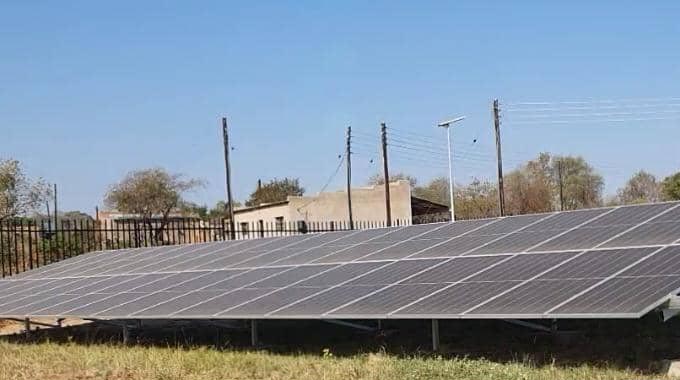
Ivan Zhakata in CHIPINGE
Chipinge villagers have been handed a new lease of life following the recent installation of a 200-kilowatt (kW) solar mini-grid under the Hakwata Renewable Energy project.
Government, the Rural Electrification Agency (REA), and the United Nations Development Programme (UNDP), jointly implemented the project with funding from the UK’s Foreign Commonwealth and Development Office.
The 200kW mini-grid consists of a solar panel array, batteries, an inverter, and a metering system, and supplies electricity to 80 homes, 14 shops, a clinic, and a primary school.
It benefits an estimated 12 500 people.

The project also included training workshops on income-generating projects such as carpentry and welding. The impact has been undeniable.
Ms Nyarai Ndlovu (34) said she traded her market gardening business for welding, a field traditionally dominated by men.
“Electricity has empowered me,” she said. “Now I can make window and door frames, steel doors and even scotch carts. This is a life-changing career that offers far more income than my previous work,” she said.
Mr Lovemore Hakwata (42) said the solar project was a dream come true.

“This solar plant has transformed our lives,” he said. “Electricity has brought development to our village, lighting up shops, houses, schools, and the clinic.”
Mr Hakwata, who is now skilled in metalwork, said he is attracting customers from neighbouring villages.
Another villager, Mr Isaiah Mlambo (45) who is a carpenter, said electricity allows them to work smarter, not harder.
“Now I use electricity-powered tools, thereby making my job a breeze. I plan to share my knowledge with others and even open a larger workshop to benefit the entire community,” he said.
The project has provided 100 solar home lighting systems for underprivileged families, 90 biogas digesters for clean cooking, and 30 solar community floodlights.
Eighty households, including staff quarters at the clinic and school, now have access to clean electricity, thereby enabling children to study at night and improve their results.
The Hakwata Village is a shining example of how solar energy can bring light, opportunity, and a brighter future to rural communities.


 Online Reporter