Gibson Mhaka, [email protected]
AFRICAN churches have been challenged to unite and spearhead the search for home-grown solutions to the continent’s socio-economic challenges instead of relying on external assistance.
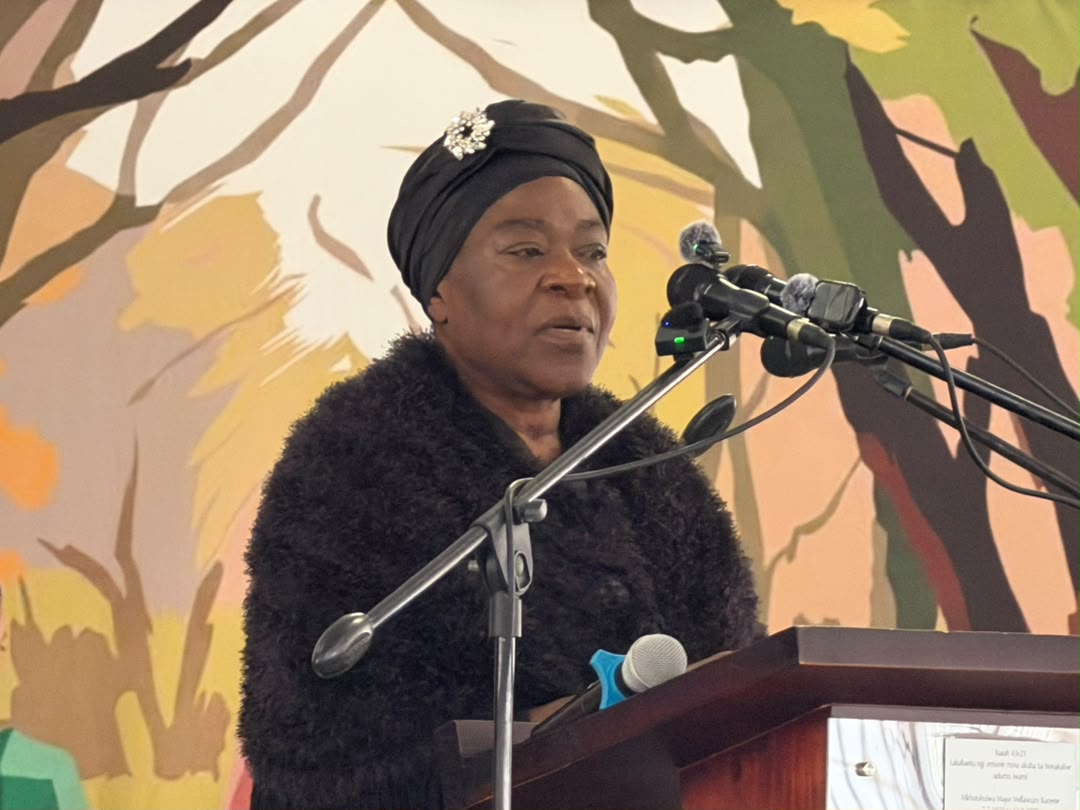
Minister of State for Bulawayo Provincial Affairs and Devolution Judith Ncube made the call on Tuesday while officially opening the Pan African Religious Leaders Assembly (PARLA) Summit in Bulawayo.
She said Africa had the human and natural resources needed to chart its own development path.
The summit, which runs from October 6 to 10, is being hosted by the Council for Churches in Africa (CCA) and PARLA under the theme: “Rise Up: From Dependency to Self-Sufficiency — Every Nation is Built by Its Own People.”
The gathering has attracted church leaders and delegates from across the continent, with representatives from 36 countries expected to attend.
Minister Ncube said the summit presented an important platform for African religious leaders to reflect on the continent’s common challenges and develop collective responses anchored in self-reliance.
“I looked around and said to myself, ‘God, why would you allow your good people, who look alike, to
have differences among themselves?’
“When I looked around, I said, ‘No, we are one. We are one people.’ Standing here, I am trying to figure out who is a Zimbabwean and who is a Zambian. You look the same,” she said.
The minister challenged the church to use its influence to promote an African development agenda rather than perpetuating dependence on external support.
“If you have to plead with our loving God for us to achieve the goals we have set, go ahead and do that. If God was able to liberate the children of Israel, can we fail to liberate ourselves? If we plead with our listening God, we cannot fail,” she said.
Minister Ncube said Africans should look inward, identify the resources and strengths at their disposal and harness them collectively to accelerate development.
“We are there for each other. We are here to sit down, analyse our own environment, discover more about ourselves and move forward, especially as a prayerful continent, Africa,” she said.
Minister Ncube welcomed delegates to Bulawayo, describing the city as a peaceful and hospitable destination capable of hosting major regional gatherings.
“Today we are hosting a very big and impactful conference. We have representatives from different countries across the African continent, about 36 in total,” she said.
“As a province, as a metropolitan province, we are so excited and pleased to host our brothers and sisters coming to Bulawayo to attend this critical summit that brings different churches together.”
The summit seeks to reposition the Church as a key partner in Africa’s socio-economic transformation, with delegates expected to deliberate on economic empowerment, agriculture, entrepreneurship, investment, women and youth development, skills development and religious tourism.
The discussions are expected to explore how churches can move beyond their traditional spiritual mandate and contribute more directly to sustainable livelihoods, enterprise development and community empowerment across the continent.