Online Reporter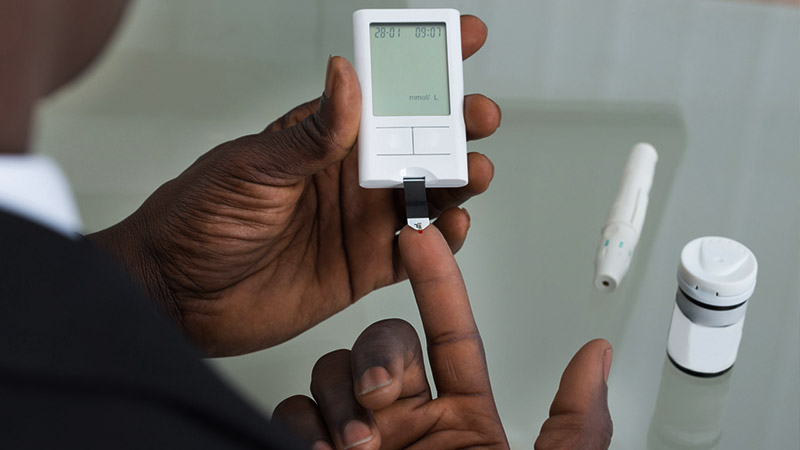
Tendai Gukutikwa
Health Reporter
VICTORIA Chitepo Provincial Hospital (VCPH) has sounded the alarm over a growing trend of late diabetes diagnoses, which is driving up severe complications among patients.
In an interview following the hospital’s belated World Diabetes Day commemorations, specialist consultant physician, Dr Zwangendaba Mutsemi attributed the trend to low community awareness of early symptoms and the importance of seeking timely medical care.
Dr Mutsemi said VCPH is seeing a growing number of severe admissions, with many patients presenting with advanced stages of diabetes-related complications.
He emphasized the need for increased community awareness and education on diabetes, stressing that early detection and treatment are critical in preventing complications and improving patient outcomes.
“We are seeing more patients being admitted with diabetic ketoacidosis (DKA), hyperosmolar hyperglycaemic state (HHS) and diabetic foot. All these point to poor glycaemic control and delayed care-seeking in the community,” he said, adding that diabetes has rapidly become one of the hospital’s most heavily managed conditions.
“Diabetes mellitus has become the second most prevalent condition we handle at VCPH. A significant number of patients are defaulting on therapy, resulting in late presentations with advanced disease,” he said.
Dr Mutsemi said emerging patterns point to a rising incidence of newly diagnosed diabetes cases in both rural and urban communities.
“Many individuals are only being diagnosed when they present with severe complications like DKA, diabetic foot infections or dangerously high blood sugars,” he said, adding that one of the biggest concerns is poor screening behaviour.
“There is poor uptake of routine screening. Most patients only seek care when they are already clinically decompensated,” he said, while also noting worrying levels of treatment defaulting.
“We are seeing increased cases of insulin-dependent patients defaulting treatment, leading to recurrent hospital admissions,” he said.
To address the crisis, VCPH plans to intensify community-level interventions beyond the commemorative event.
Dr Mutsemi said the hospital will widen its health education efforts using multiple structures.
“We intend to enhance community-based health education through Village Health Workers, churches, workplaces and schools,” he said, adding that primary clinics will form a key part of the early-detection strategy.
“We will conduct routine health education sessions at all primary care clinics on symptom recognition and risk factors. We are also introducing scheduled screening days at primary facilities to detect pre-diabetes and diabetes mellitus earlier,” he said.
On preventative measures, Dr Mutsemi stressed the importance of addressing modifiable risk factors.
“Type 2 diabetes can be prevented or delayed through healthier eating, weight loss and increased physical activity,” he said, urging communities to return to healthier food habits.
“Reduced intake of simple sugars and refined carbohydrates and increased consumption of vegetables and traditional high-fibre foods are essential,” he said, adding that evidence strongly supports lifestyle interventions.
“Studies show that lifestyle intervention alone, lifestyle combined with therapeutics and whole-population approaches are all promising. Avoidance of sedentary behaviour and promotion of regular physical activity – walking, fieldwork and household activity are key,” he said, urging adults to undergo routine checks.
“Public health interventions targeting those at very high risk or high risk have significantly reduced conversion to type 2 diabetes. We therefore encourage adults to undergo regular blood glucose screening at local clinics,” he said.
During the hospital’s commemorations, participants were taught practical skills, with demonstrations that focused on how to measure blood glucose levels using a glucometer, a tool Dr Mutsemi said more people should learn to use, especially those already diagnosed.
Dr Mutsemi said looking ahead, VCPH is implementing long-term strategies to strengthen patient support and adherence.
He said the hospital is strengthening follow-up mechanisms using Village Health Workers (VHW) and establishing diabetes support groups.
“We are implementing SMS and phone reminder systems for medication schedules and appointments. We are also decentralising diabetes care to primary health centres for stable patients to reduce hospital burden,” he said.
He added that the hospital is investing in ongoing staff development and promoting family-centred care.
“Disease management improves with household support, so encouraging families to participate is essential,” he said.
The hospital’s commemorations were aimed at correcting some of these trends by raising awareness among patients and surrounding communities.
“Our key message is straightforward, recognise the cardinal symptoms of diabetes early, excessive urination, excessive thirst, unexplained weight loss and weakness, and present early to health facilities for screening before the disease progresses,” he said, adding that complications are preventable for those who act promptly.
“Diabetes-related complications are largely preventable with adequate knowledge and early intervention. Initiate early management and maintain strict adherence to antidiabetic therapy,” he said.