admin
admin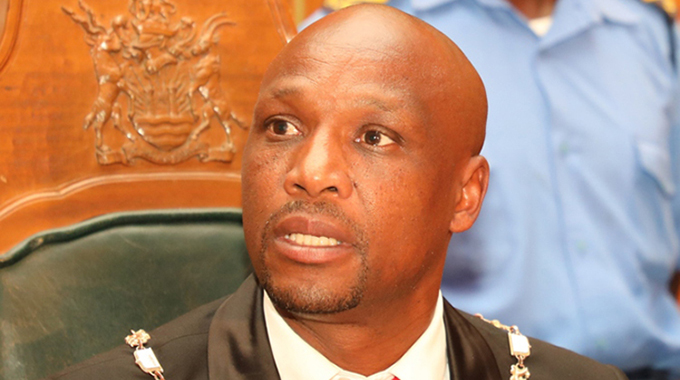
Abel Zhakata
Senior Reporter
CASH-STRAPPED Mutare City Council has lost over US$1 million in the last two years through providing free services to illegal settlements in Chikanga, Dangamvura and Sakubva suburbs.
As the municipality continues to bleed, the city fathers have called for Government’s intervention to regularise the settlements and make them billable.
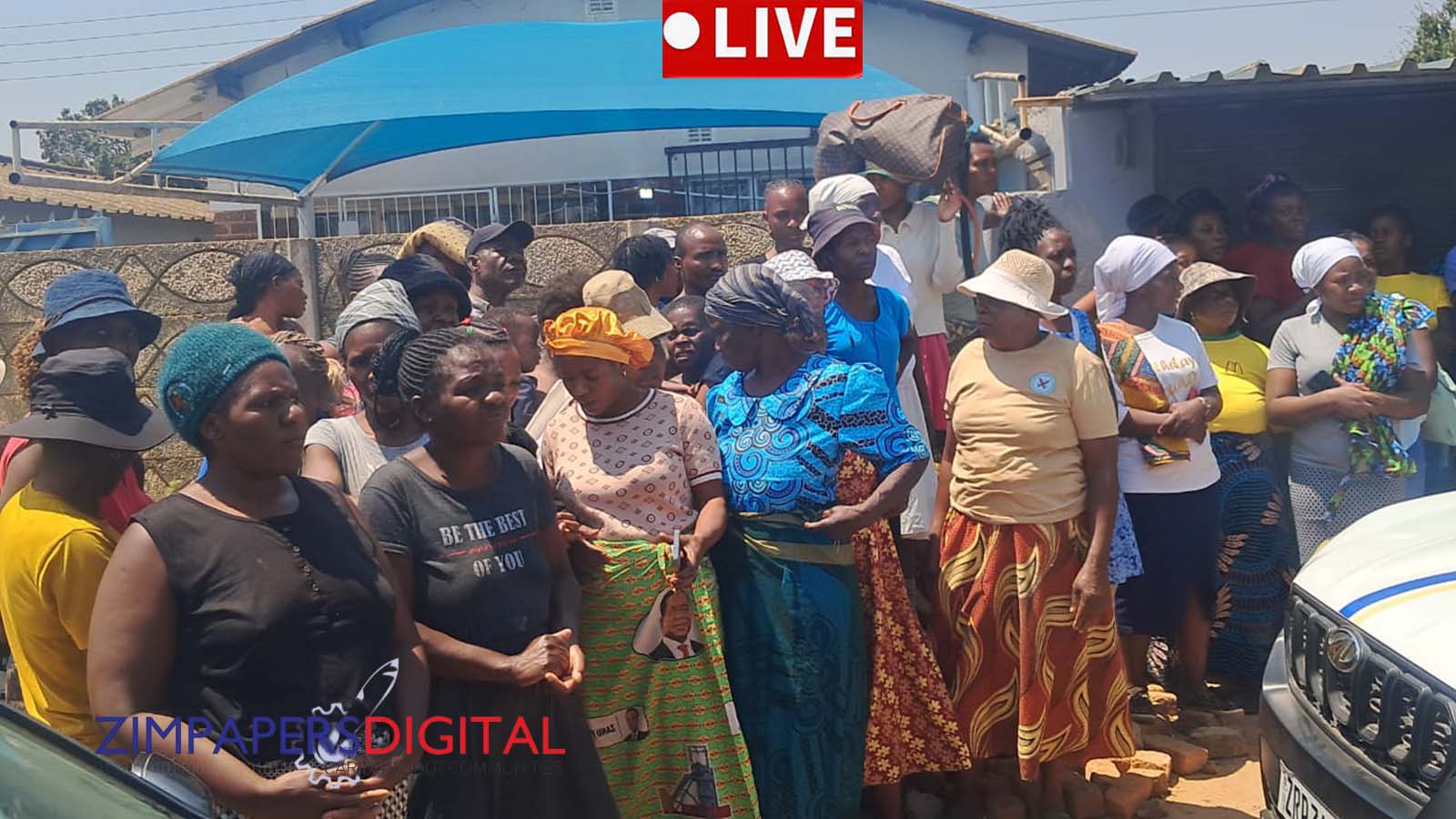
More than 15 000 families are living for free in the city after illegally settling in Mahalape, Gimboki and Federation housing schemes, exerting pressure on the already stretched council resources.
Council said it was being forced to dig into its empty coffers to provide water, roads and at times build health facilities in these illegal housing schemes.
Manicaland Provincial Development Coordinator, Mr Edgars Seenza, described chaotic housing schemes in Mutare, which resulted in the mushrooming of illegal settlements, as a thorny issue that was being tackled by the relevant stakeholders.
“As for Gimboki, the relevant ministry is handling the tendering process to pave way for private players that want to partner with Government to service the stands and provide decent housing. After Gimboki, other illegal settlements will be regularised,” he said.
When these illegal settlements sprouted more than 15 years ago, council seemingly turned a blind eye, but recurrent outbreaks of water-borne diseases over the years which spilled into established suburbs under the local authority’s purview forced the council to think otherwise.
Last week, the local authority officially opened a clinic in Gimboki South which chewed up US$70 000.
Although the local authority was assisted by development partners in constructing the health facility, the drain on its dry coffers was felt.
Mutare mayor, Councillor Blessing Tandi, said this week that illegal settlements were bleeding council.
Since the outbreak of Covid-19 last year, the mayor said, council has been supplying water to these illegal settlements using bowsers at an estimated cost of US$870 per day.
“These illegal settlements have choked our coffers because we are providing services to people who are not paying anything in terms of rates. The estimated costs that I have show that in terms of water that we supply to these locations using a bowser, it is around US$870 per day. During the Covid-19 peak period, council provided plenty of water to these households free of charge.
“We also have costs that are related to water that these illegal settlers source from our existing structures. Families in Federation and Gimboki fetch water from the nearby Area 3 community, and the cost of that water has been put at US$65 per day. We also have water losses due to vandalism by these households which is around US$130 per day. These people are vandalising water infrastructures like main holes. There is also the cost of repairing the damaged infrastructures as well as treated water that is lost through leakages due to the vandalism,” he said.
Councillor Tandi said the construction of Gimboki Clinic was a typical example of the sacrifices the local authority was making to illegal settlements.
“Council constantly rehabilitates major roads in these areas, and since last year, about US$90 000 was used to repair them. These people are not paying a cent to council because they are not registered in oursystem, and this explains why they are not building permanent structures. In Gimboki alone, we have about 6000 stands, and using our valuation system, it means that council was supposed to at least collect about US$8 per month from each household and this translates to about US$48 000.
“This is some of the money we are losing, yet we are using resources paid for by other ratepayers to provide services in these areas,” he said.
Councillor Tandi urged Government to chip in quickly, and help regularise the settlements so that council could be paid for services being rendered.
“Government should chip in and assist in the servicing of the stands. Another avenue is for Government to handover the housing projects to council for development. The beneficiaries of the stands are confident council will deliver good services to them. When that happens, these households will be able to enjoy other services that are expected in an urban settlement. As it stands, those areas are rural settlements,” he said.



 Online Reporter