admin
admin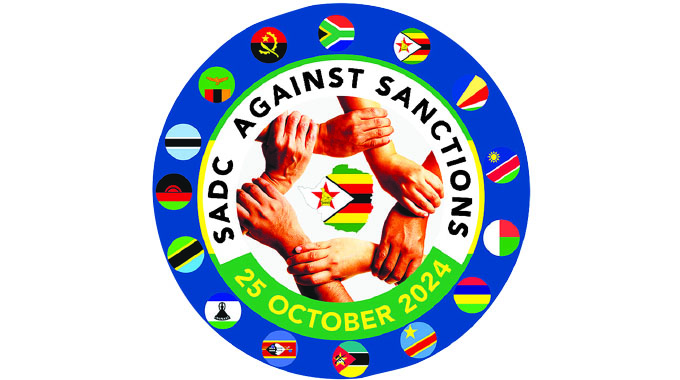
Raymond Tendai Rusinga
Correspondent
Today, Zimbabwe observes Anti-Sanctions Day, a crucial occasion dedicated to shedding light on the severe consequences of punitive measures imposed on the nation.
These sanctions, often wielded by foreign governments as instruments of political pressure, have inflicted deep wounds on the economy, governance, and the everyday lives of Zimbabweans.
This year’s observance, under the theme, “Embracing innovation towards Vision 2030:The relentless fight against illegal Sanctions,” is particularly significant, as citizens are mobilised to unite against these unjust measures and advocate for a brighter future for our country.
Sanctions on Zimbabwe have been purported to target individuals and companies associated with Government and vital sectors of the economy.
High-ranking officials, including President Mnangagwa and Vice President Constantino Chiwenga, have faced sanctions that not only undermine their authority but also impede the Government’s ability to implement necessary reforms.
The economic consequences of these sanctions are shocking. The World Bank notes that Zimbabwe’s GDP growth has been inconsistent, with significant contractions attributed to the effects of measures exacerbated by external pressures.
The constraints have resulted in a high unemployment rate, forcing many Zimbabweans to rely on the informal economy for survival— a situation worsened by the inability of embargoed companies to operate effectively or to grow.
A call for unity and action
The Anti-Sanctions Day serves as a reminder of the broader struggle against the negative impacts of the illegal stringent measures put in place by the West.
The day unites diverse groups, fostering solidarity essential for building a strong front against both external challenges and internal obstacles.
By raising awareness about the effects of sanctions, we can cultivate greater empathy and support from other nations and organisations.
Participation in discussions enables citizens to reclaim their agency, a vital aspect of nurturing a culture of active citizenship.
The events of October 25 are not merely reactions to sanctions; they represent an opportunity to envision a better future for Zimbabwe, encouraging all Zimbabweans to consider the society they wish to build.
Recent statements from leadership
President Mnangagwa has articulated the profound negative impact of sanctions on Zimbabwe’s development. He has described these sanctions as “an affront to the sovereignty of our nation,” calling for unity among Zimbabweans to advocate for their removal.
The President emphasises Government’s commitment to engaging with the international community while urging citizens to remain resilient in the face of adversity.
Ministers across various departments echo the President’s sentiments, highlighting how sanctions stifle economic growth and adversely affect the livelihoods of ordinary citizens. They stress the urgent need for collective action to combat these unjust measures.
A path forward
As we observe the Anti-Sanctions Day, it is vital to consider our way forward. Strengthening advocacy efforts is crucial; activists and organisations should collaborate to create a unified platform for promoting coordinated actions and campaigns.
Engaging with the international community to forge relationships with global organisations can enhance attention on the sanctions issue, fostering dialogue over the punitive measures.
Promoting economic alternatives is essential. Citizens should be encouraged to participate in discussions about local entrepreneurship and community-based projects that can bolster resilience.
Continued education on the implications of sanctions and the broader political landscape is necessary; workshops and community discussions must keep the conversation alive beyond October 25.
Building solidarity with regional partners, particularly within the Southern African Development Community (SADC), strengthens our position.
Joint protests and campaigns can amplify our message against sanctions. Furthermore, engaging youth and future generations is critical to ensure the sustainability of the movement.
The Anti-Sanctions Day is more than just a protest; it is a clarion call for Zimbabweans and our allies to unite to raise voices against sanctions.
The road ahead may be challenging, but with determination and solidarity, Zimbabwe can move towards a brighter future free from the constraints of sanctions.
Raymond Tendai Rusinga is a writer and/or researcher in Harare, Zimbabwe.
Feedback: +263 776 206 227 or email: [email protected].


 Online Reporter