


 Online Reporter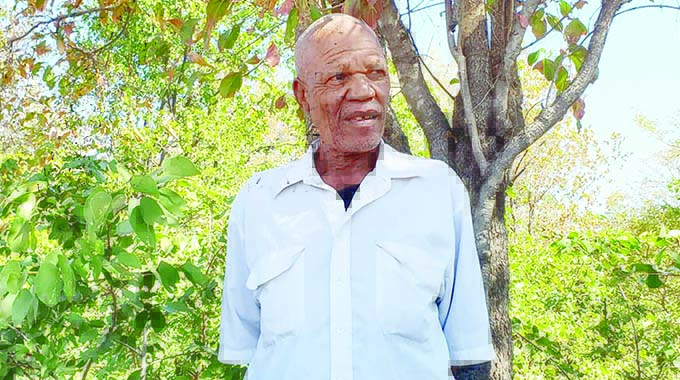
Robin Muchetu recently in Tsholotsho, Health and Gender Editor
A section of the San community residing along the border of Hwange National Park and Tsholotsho District in Matabeleland North Province, specifically in Sifulasengwe Village, is facing the gradual loss of its core identity.
With fewer than 10 elderly residents remaining and a dwindling number of young people, the community’s rich cultural heritage is under threat.
Despite their rich culture, the San still practice traditional survival techniques such as hunting and gathering. However, the creation of border lines between communities and the national park has severely impacted their way of life.
Animals are now largely inaccessible, forcing the San to survive mainly on vegetables and small grains, making life a little out of line with who they are.
Historically nomadic, the San community highlights that they are now largely confined to a single area, as laws prohibit hunting wildlife without licences.
Mr Mthandazo Vundla, in his late 70s, is one of the few remaining adults in Sifulasengwe. He laments the decline, not only of their population but also of their language, Tshwao, and cultural practices.
“We are doing our best to preserve our culture, but very few are practicing it now. Many have assimilated into neighbouring communities and no longer engage in traditional activities. We’re just a handful of elders, who still speak our language and practice our culture. The younger generation doesn’t speak our language and they don’t follow our traditions,” he said.
Mr Vundla noted that some young people are beginning to realise the importance of their language and culture and are making efforts to learn.
“They (the youth) initially refused to respond when we spoke to them in Tshwao, preferring IsiNdebele and IsiKalanga, which they are more familiar with. But I am glad some now want to learn, they have somehow realised that the death of their language as a medium of expression is not good for their identity,” he said.
He emphasised that language and culture fade when they are neither spoken nor practiced. Hunger and survival challenges have also forced the San to interact more with neighbouring communities, who demand the use of local languages for assistance and communication. Over time, many among the San community have adopted other languages, leading to the loss of their own.
The San are not traditionally farmers and have faced increasing difficulties surviving in the arid district, especially as hunting wildlife has become illegal and unsustainable.
Efforts are underway to revive their language and cultural practices and Mr Vundla has contributed to several texts on Tshwao, which are now used in local institutions such as John Landa High School where the language is taught.
“We want future generations to find information about our language and culture. That’s why we have written books about Tshwao, which are also available at the school. Once many of us have passed on, the knowledge will remain.
Currently, I am the only one in Sifulasengwe, who still speaks the language, apart from another elderly woman in Ward 17,” he said.
He also lamented that traditional rites marking the transition into manhood are no longer practiced, among young San men. Historically, boys would undergo a 14-day isolation, consuming special foods and drinks and learning important cultural lessons — such as respect for elders and how to care for women. These rites have since been discontinued.
“Today, you see San boys arm-in-arm with girls, which used to be taboo for us. Respecting our culture was very important, but now those traditions are fading,” Mr Vundla lamented.
Gogo Tshikadzi Moyo, another elder of the San community, echoed these concerns. She noted that their cultural practices are only practiced to a limited extent due to the dwindling number of knowledgeable elders.
“Our language is dying. Khulu Vundla is the only one here, who can still speak Tshwao. I myself have forgotten much of it and I’m limited to greetings. We need to sit down as elders and teach the youth our language and customs. Even the few remaining adults need to learn,” she said.
However, she mentioned that some progress has been made — an educator at Khumbula Secondary School in the district can also speak the San language. Despite these efforts, the community has managed to preserve part of their culture through traditional practices such as the Boro dance, which remains a symbol of their heritage. The San community’s battle to preserve their language and culture continues, with elders urging the younger generation to recognise and embrace their roots before they are lost forever to the winds of cultural imperialism that whips tirelessly, packaged as globalisation.
@NyembeziMu



 Bongani Ndlovu