Online Reporter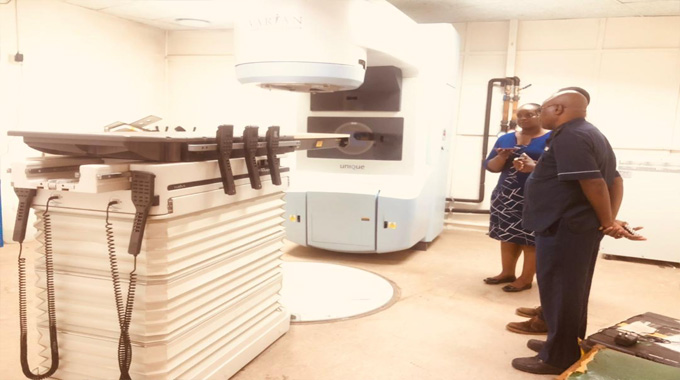
Robin Muchetu, Gender and Health Reporter
CANCER patients in the southern region of the country can now breathe a sigh of relief following the delivery of a state-of-the-art radiotherapy machine used in the diagnosis and treatment of cancer destined for Mpilo Central Hospital in Bulawayo.
The delivered machine is one of the two that were procured by the Government through Sugar Tax and they are expected to treble the number of cancer patients served per day from the current 30 to 90.
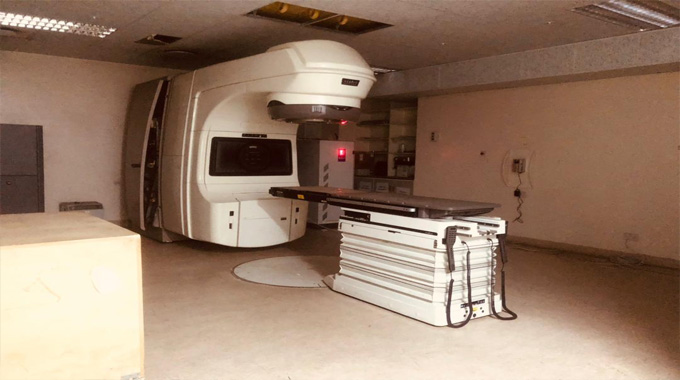
Bulawayo has taken delivery of the first machine which is now at the National Pharmaceutical Company (Natpharm) warehouse and will soon be installed at the referral hospital, providing vital treatment for cancer patients.
The second machine is en route from the manufacturer to the country.
Speaking to the Sunday News on Thursday, acting operations director at Mpilo Central Hospital, Mr Phineas Sithole, said the machines will be operational as soon as installation work is completed at the hospital.
“There are two machines that we will have and they will be fitted within the Radiotherapy Centre at the hospital. The first one has already arrived in Bulawayo and is stored at Natpharm at the moment due to its large size while the rooms where they must be installed are still to be renovated. The existing machines will be removed and relocated to another provincial hospital for work there. The engineers installing the machines are still in Harare, where they are installing similar equipment at Parirenyatwa Group of Hospitals,” he said.
Mr Sithole explained that the current machines will be dismantled and removed, while structural modifications will be made to the existing facilities to ensure they accommodate the new machines before installation.
The arrival of these machines will revolutionise cancer treatment in the region.
“Having these machines available will improve access to cancer treatment and also help make it more affordable and since these are public institution machines, Government regulations apply. This will also enhance patient outcomes, as treatment facilities will be available locally,” he said.
Mpilo Central Hospital serves as a referral centre for Masvingo, Midlands, Matabeleland North and South, as well as Bulawayo Province. The hospital also reports a spill-over of patients from beyond the regional boundaries seeking cancer treatment.
“We have patients coming from as far as Manicaland who receive services here and we always assist such individuals,” added Mr Sithole. He applauded the Government for its prompt intervention in procuring the machines, noting that it aligns with the hospital’s strategic plan to improve cancer treatment accessibility, affordability and reduce waiting times for patients.
“Internationally, there’s a focus on healthcare accessibility, so we are on the right track to making specialised treatments available locally without the need for travel,” he added.
He urged the public to seek medical help promptly if they suspect health issues, especially related to cancer.
“When you suspect you might have cancer, we offer screening services for cervical, prostate and breast cancers to enable early detection and prompt treatment. Don’t rely on information from the internet or others — come to the hospital and get checked early,” he advised.
Mr Charles Matope, a medical physicist at Mpilo Central Hospital, explained how the new machines will operate.
“We have a Medical Linear Accelerator used to treat cancer and the machine arriving is more advanced, technical and versatile than our current one. It is a state-of-the-art device that will increase precision, meaning we can treat double or even triple the number of patients daily. Previously, we could treat about 30 to 50 patients per day,” he said.
A session of radiotherapy lasts at least 15 minutes.
A new low-energy machine will also be installed, which is set to further increase patient access to treatment.
Mr Matope highlighted that the new equipment will lead to better patient outcomes and that the hospital’s capacity will expand as staff become familiar with the machines.
“To increase our capacity, we also need adequate staff and top-quality training, as these machines are operated by highly skilled professionals, not just anyone,” he explained.
He also noted that the hospital is seeing a high volume of patients with cancers, especially in the pelvic region.
“Most cases involve the pelvis — cervical and prostate cancers — particularly cervical cancer. We also see many breast cancer patients. Early presentation is critical, as evidence shows better outcomes when treatment begins promptly,” he emphasised.
The acting director of operations also reminded the public that cancer treatment at public hospitals is free.
“Mpilo is a Government hospital and cancer treatment is covered by the government. It is free unless specific medications or inputs are unavailable, in which case patients may need to purchase them. Otherwise, treatment is free,” he stated.
He added that the machines come with training, warranties and spare parts support, procured by the Government through the Sugar Tax fund. —@NyembeziMu