

 Online Reporter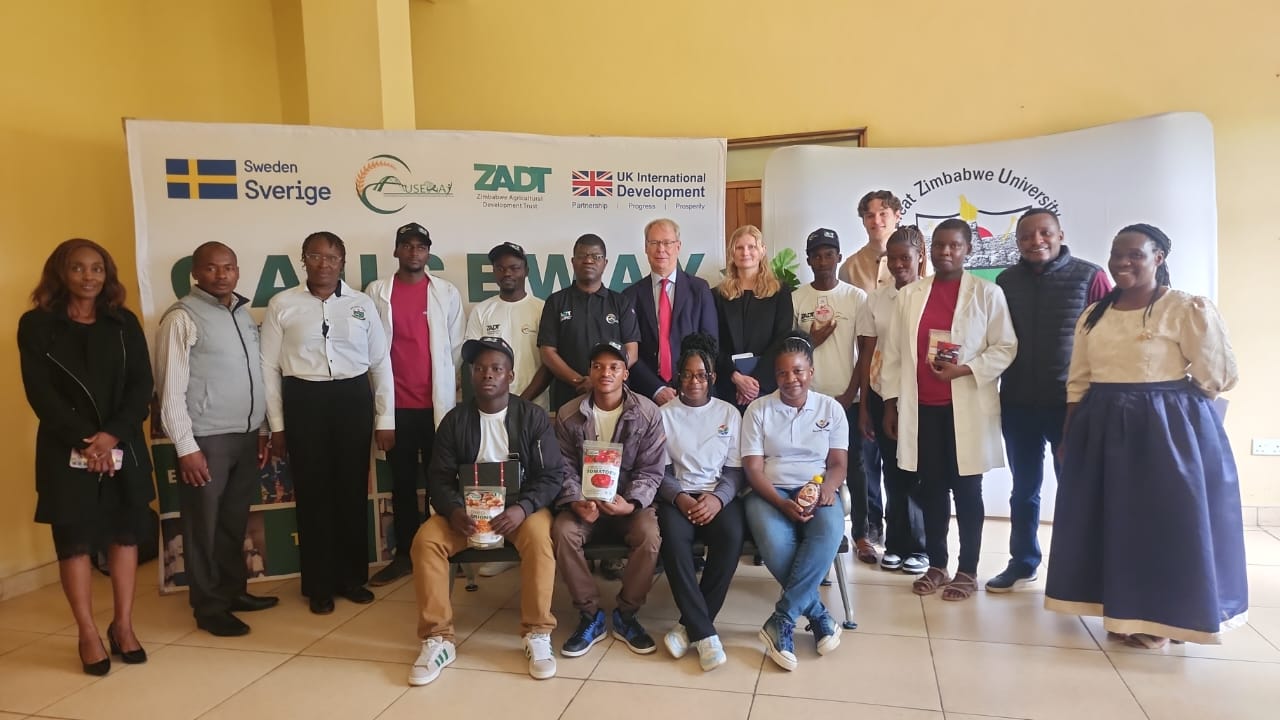
The Ambassador of Sweden to Zimbabwe, His Excellency, Per Lindgarde visited Masvingo Province from the 12th–13th of March 2026 to witness the development impact of the CAUSEWAY Project, implemented by the Zimbabwe Agricultural Development Trust (ZADT). The project is jointly funded by Sida through the Embassy of Sweden and the British Embassy, with each partner supporting complementary components that strengthen youth and women’s economic empowerment.
Through Sida’s support, the Embassy of Sweden funds the grant component and capacity-building initiatives that support students, women and youth entrepreneurs. Students in tertiary institutions receive access-to-finance and entrepreneurship training and are provided with grants to help start and grow their enterprises. The project also supports out-of-school youth and women entrepreneurs through targeted capacity-building programs, where participants are trained to develop bankable business proposals. They are then linked to participating financial institutions for funding while receiving business development training and mentorship to strengthen enterprise management, financial literacy, and market readiness.
Complementing this support, the British Embassy funds the revolving fund component, which expands access to affordable finance for agricultural enterprises. Together, these complementary interventions demonstrate how development cooperation between Sida and FCDOis strengthening livelihoods through enterprise development, improved access to finance, and climate-resilient agriculture.
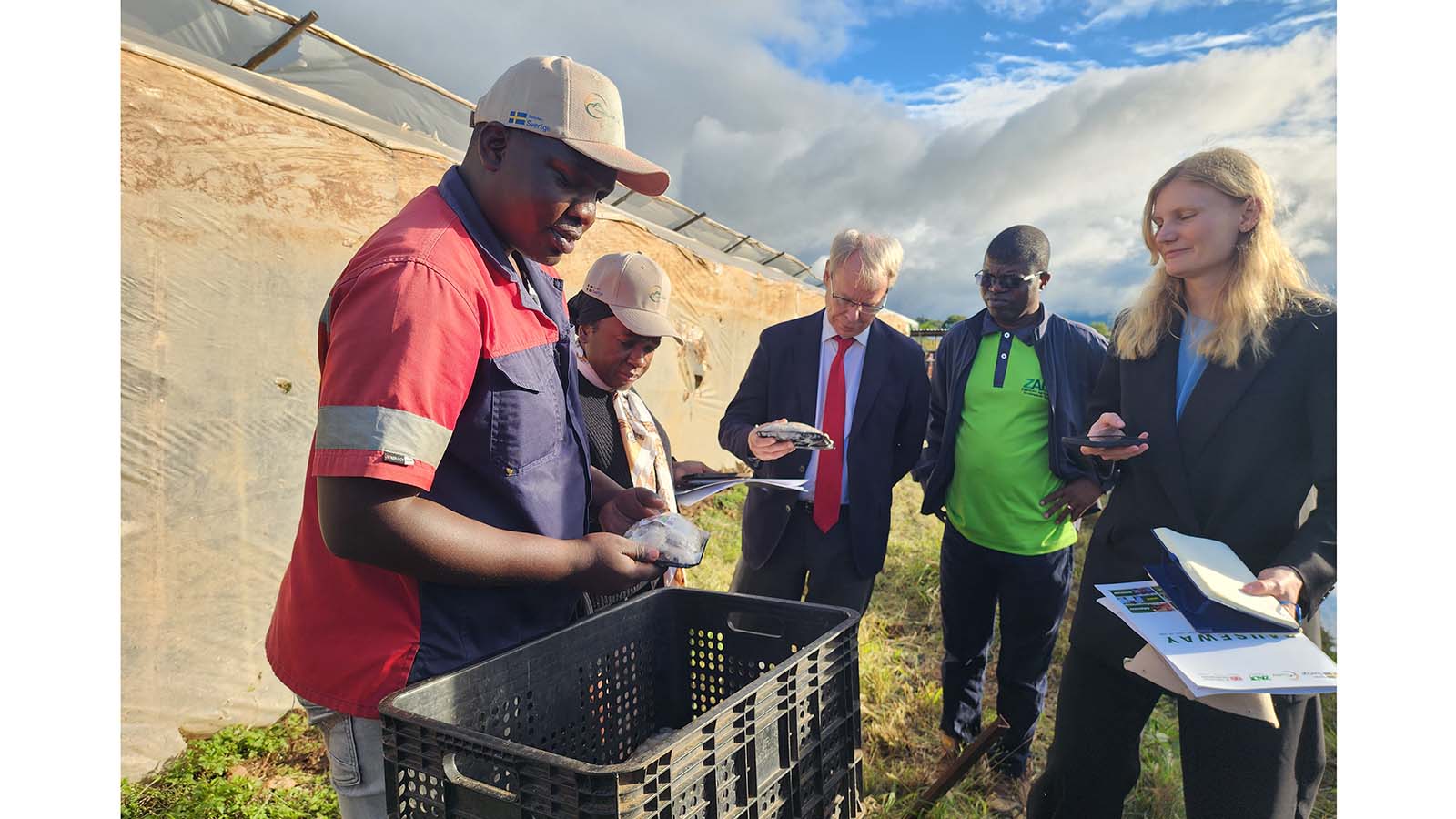
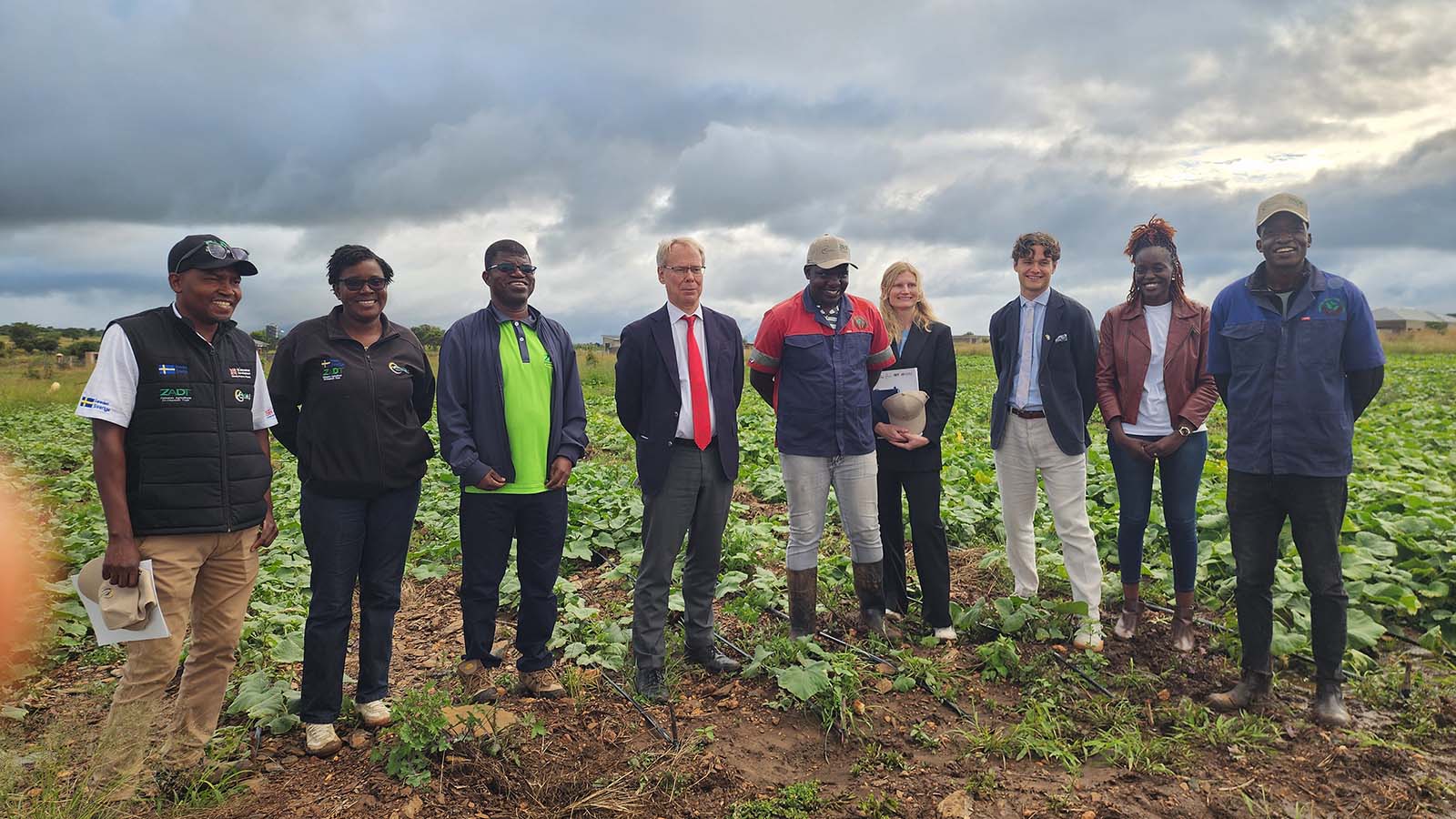
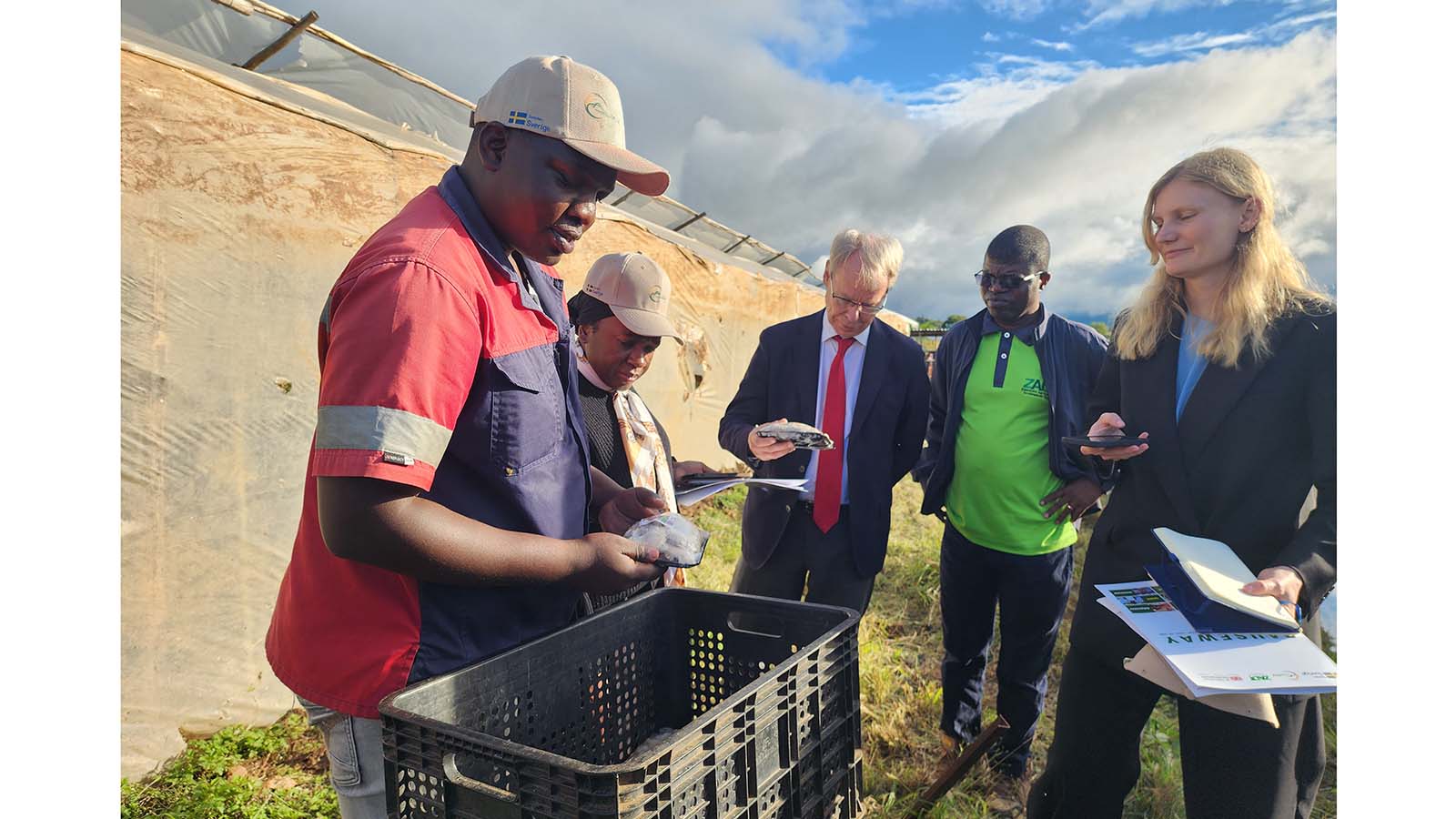
During the visit, the Swedish Ambassador engaged with project beneficiaries including Beatrice Havadi, a horticulture farmer in Masvingo peri-urban whose enterprise has grown significantly through the project’s access-to-finance support. With mentorship from ZADT and a concessional USD 20,000 loan from AFC Bank, accessed through the revolving fund facility, Havadi expanded into greenhouse vegetable production and oyster mushroom farming. The enterprise now supplies retailers such as Pick n Pay and Spar while creating employment opportunities for local workers and strengthening food production in the province.
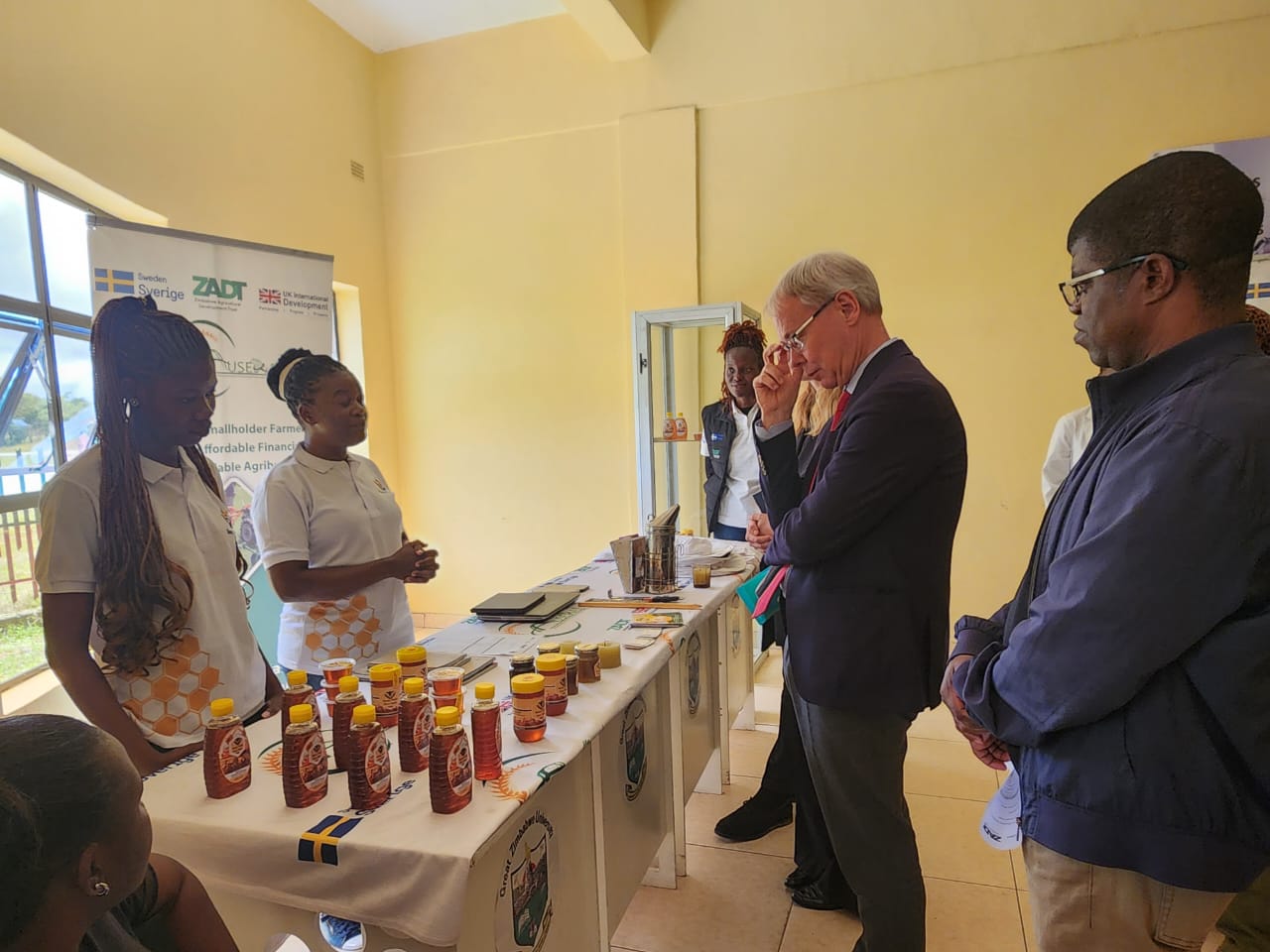
The delegation also visited youth-led agribusiness initiatives at Great Zimbabwe University supported under the project. Among them was Beezy Hands Apiculture, a honey processing and packaging enterprise run by two female students who received a start-up grant and business mentorship through the programme. Other student enterprises showcased during the visit included Dry Delights, Preserve Plus, and a hydroponics seedling production initiative, demonstrating the project’s strong focus on nurturing youth entrepreneurship and innovation in agriculture.
On 12 March, Ambassador Lindgärde hosted a cocktail reception at the Great Zimbabwe Hotel, bringing together government representatives, development partners, and key stakeholders. The event highlighted the strong partnership between Sweden and Zimbabwe in advancing inclusive economic opportunities and sustainable development. During the reception, Ambassador Lindgärde met with Dr. Pazvakavambwa, representing the Minister of State for Provincial Affairs and Devolution for Masvingo Province, Honourable Ezra Chadzamira, as well as Masvingo Mayor Aleck Tabe. Discussions focused on how initiatives such as the CAUSEWAY Project support Zimbabwe’s National Development Strategy 1 (NDS1) and lay the groundwork for NDS2 priorities- particularly in promoting inclusive economic growth, agricultural transformation, and the empowerment of youth and women. In their remarks, both the Ambassador and the City of Masvingo leadership emphasized the importance of the longstanding cooperation between Sweden and Zimbabwe in driving local economic development. Ambassador Lindgärde reaffirmed Sweden’s commitment to partnerships that strengthen sustainable agriculture, entrepreneurship, and community resilience.
Since its inception, the CAUSEWAY Project has delivered significant development outcomes across Zimbabwe. The initiative has trained over 5,000 women and 4,000 youth in financial literacy and access to finance, while women and 1,648 youth have received ongoing mentorship to strengthen their enterprises. In addition, 1,521 women and 642 youth have accessed funding to expand their businesses, including 389 in-school youth who were trained, mentored, and funded to translate academic knowledge into practical agribusiness ventures.
Beyond training and finance, participants benefit from holistic enterprise development support. Through the programme, entrepreneurs receive mentorship on business management, as well as assistance with branding, packaging, and marketing to strengthen their competitiveness in the marketplace. Beneficiaries are also supported to participate in national exhibitions and trade platforms such as the Zimbabwe International Trade Fair (ZITF) and Agricultural Shows, where they showcase their products, connect with buyers, and expand their market reach.
The project has also strengthened formal financial inclusion, improved productivity and incomes, enhanced asset ownership among farmers, and reduced reliance on informal lenders. Through innovative financing mechanisms such as the Hub-and-Spoke Model, SMEs are able to access loans from financial institutions and on-lend to linked smallholder farmers, expanding the reach of agricultural finance while reducing risk for farmers.
A key pillar of the programme is gender equality and policy influence. CAUSEWAY has contributed to national dialogue on women’s financial inclusion, convening embassies, financial institutions, policymakers and civil society during platforms such as the 16 Days of Activism Against Gender-Based Violence, which brought together leaders including the Minister of Women Affairs. These engagements advocate for stronger policies and financial systems that enable women to access credit, technology and markets.
At the enterprise level, the project has also supported women’s economic empowerment through initiatives such as Digital Finance and Agritech for women workshops, linking women farmers with banks, fintech platforms and agritech companies. Training in digital safety, climate-smart agriculture, and safeguarding has further strengthened safe participation for women and youth while reinforcing institutional accountability and inclusive development practices.
The Ambassador’s visit underscored the growing impact of Swedish and British development cooperation in Zimbabwe; supporting farmers, empowering youth entrepreneurs, influencing policy for women’s economic inclusion, and strengthening resilient agricultural value chains that contribute to sustainable and inclusive economic growth.
By Karen W Maturure: Communications Officer
Contact ZADT: Email [email protected] | Tel: +263 (242) 303 560/1 | Website: www.zadt.co.zw



 Peter Tanyanyiwa