Chronicle Editor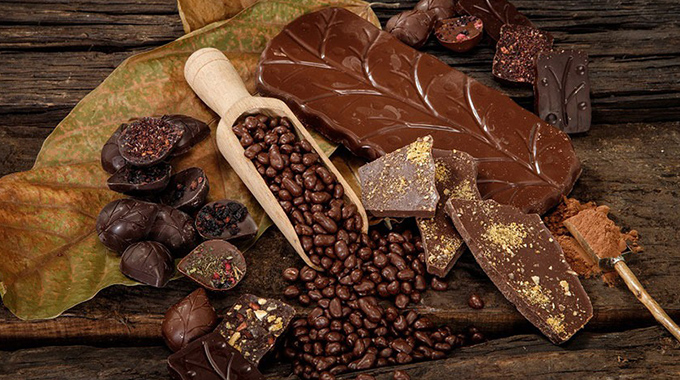
So Sweet
THROUGHOUT history, various items have been used as currency, from precious metals to livestock. Among these, sweets and sweeteners have played a unique role in the economic systems of several ancient civilisations. This article delves into the fascinating history of how sweets, particularly cacao beans and honey, were used as currency in ancient times.
One of the most notable examples of sweets being used as currency comes from the ancient Maya civilisation. The Maya, who flourished in Mesoamerica from around 250 to 900 CE, used cacao beans — the primary ingredient in chocolate — as a form of money. This practice was well-documented in various forms of Maya artwork, including murals, ceramics, and carvings.

Cacao beans were highly valued not only for their use in making a bitter chocolate drink but also as a medium of exchange. The beans were used to pay for goods and services, as well as to settle taxes and tributes to the nobility. The use of cacao beans as currency became more prevalent around the 8th century, as evidenced by the increasing number of depictions in Maya art.
The Aztecs, who succeeded the Maya in the region, also adopted cacao beans as a form of currency. They used the beans to purchase everyday items and to pay workers. The Spanish conquistadors, upon their arrival in the early 1500s, noted the extensive use of cacao beans in trade and even adopted the practice themselves.

In ancient Rome and Greece, honey was a crucial sweetener and held significant economic value. While it was not used as a direct form of currency like cacao beans, honey was an essential commodity in trade. The Romans, in particular, had a sweet tooth and used honey extensively in their cuisine, from sweetening wine to coating meats.
Honey’s value extended beyond its culinary uses. It was also used in medicinal practices and religious rituals, making it a highly sought-after product. The trade of honey contributed to the economy, and its production and distribution were carefully managed. In some cases, honey was used in barter systems, where it could be exchanged for other goods and services.
The use of sweets as currency had significant economic and cultural implications. In Mesoamerica, the monetisation of cacao beans facilitated the growth of marketplaces and the expansion of trade networks. It also influenced social structures, as the accumulation of cacao beans became a symbol of wealth and power.
In ancient Rome and Greece, the trade of honey supported agricultural economies and fostered connections between different regions. The demand for honey encouraged the development of beekeeping practices and the establishment of trade routes.
The use of sweets as currency in ancient times highlights the diverse and innovative ways in which early civilisations managed their economies. From the cacao beans of the Maya and Aztecs to the honey of the Romans and Greeks, these sweet commodities played a vital role in trade and social structures.
Understanding this aspect of history not only provides insight into the economic practices of the past but also underscores the enduring value of sweets in human culture.



 Online Reporter