Online Reporter
Stephen Mpofu
IN previous years, this publication, together with other Zimbabwean newspapers, reported concerns raised by some education experts over the failure of the country’s high literacy levels to transform society through innovative measures aligned with the demands of a postmodern world.
For instance, Zimbabwe has long boasted one of the highest literacy rates on the African continent, yet many argued that this achievement was not translating into meaningful societal development. This meant that higher education, which remained largely dormant in driving social and economic transformation, was not fully serving its intended purpose.
Today, however, education stakeholders and teachers face an even greater challenge: transforming society by embracing emerging technologies such as artificial intelligence (AI) in order to prepare learners for a rapidly changing world.
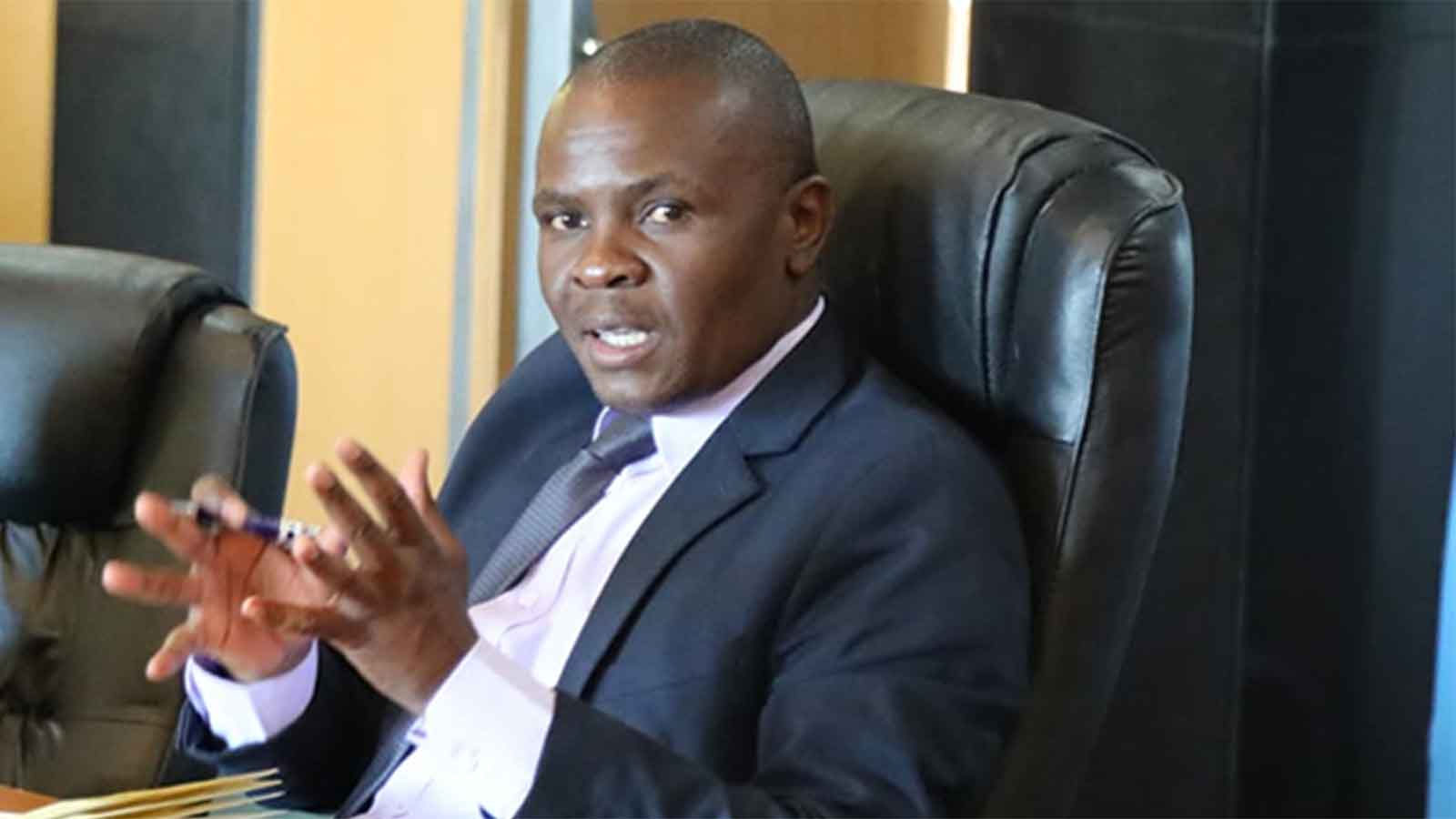
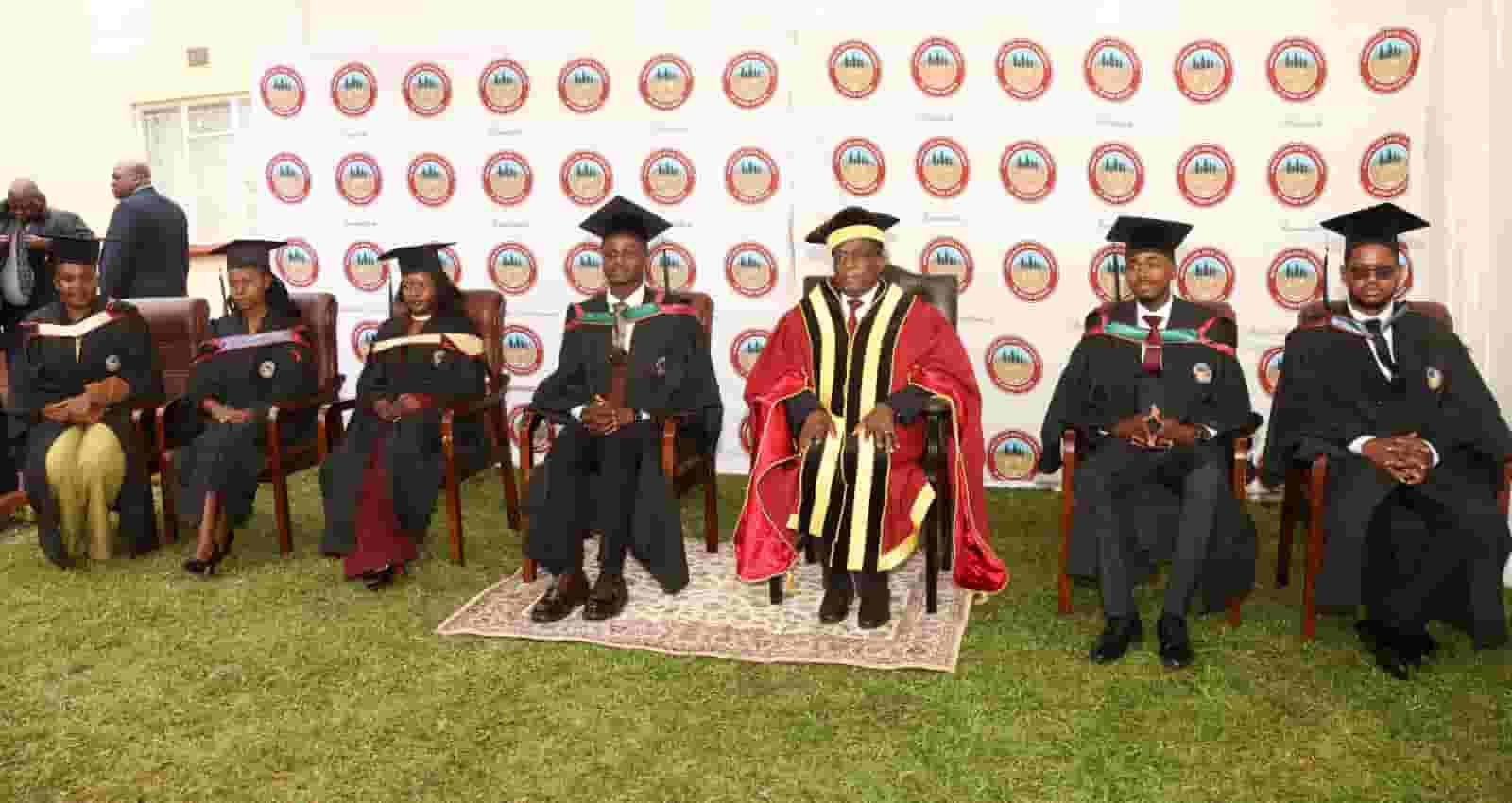
Speaking during the 68th graduation ceremony of Hillside Teachers’ College in Bulawayo earlier this week, Higher and Tertiary Education, Innovation, Science and Technology Development
Deputy Minister Simelisizwe Sibanda said graduates should not regard their graduation as the end of their training, but rather as the beginning of a greater responsibility to help shape the country’s future.
The Deputy Minister said teachers have a critical role to play in confronting social challenges affecting young people, particularly drug and substance abuse, rather than merely watching a menace that continues to have devastating developmental consequences for the nation.
Deputy Minister Sibanda also challenged the college and other tertiary institutions to harness emerging technologies such as AI, which he said could improve personalised learning, access to information, research and administration. However, he stressed that the adoption of such technologies should ultimately serve humanity and promote inclusive development.
He further commended the college for introducing ChiNambya to the six indigenous languages already offered in its curriculum, noting that language plays a vital role in fostering understanding and unity among people. When communities are able to communicate and understand one another, they are better positioned to work together towards the common goal of developing the nation and building a brighter future, with education remaining a key driver of that transformation.


 Temba Dube