admin
admin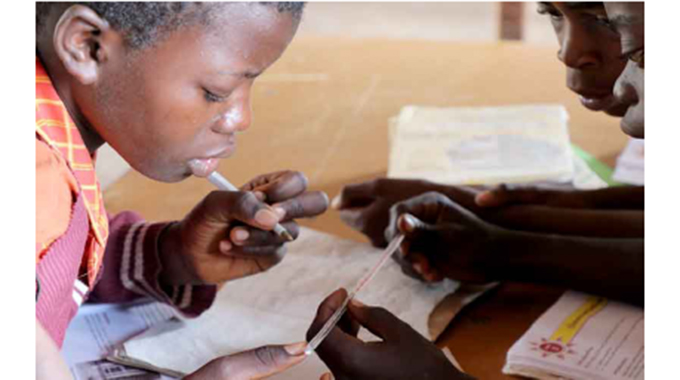
The United Nations family in Zimbabwe has come to the rescue of pupils in the Chimanimani and Chipinge districts of Manicaland province.
Through support from the World Bank-funded Zimbabwe Idai Recovery Project (ZIRP), UNICEF is distributing teaching and learning materials to more than 85 500 pupils in the two districts.
The assistance is intended to help communities recover after the devastation from the March 2019 Cyclone Idai that claimed more than 1 300 lives.
The Cyclone, the worst tropical disaster in living memory to affect Africa and the Southern Hemisphere, struck mostly the eastern parts of Zimbabwe, Malawi and Mozambique in March 2019, directly affecting an estimated 270 000 people in Zimbabwe alone, with children constituting half the affected population -129 000 children.
Essential infrastructure including schools, agriculture and road network systems were destroyed, leaving pupils stranded and in need of humanitarian assistance.
In no more than a year later, the Covid-19 pandemic worsened the situation of the victims of Cyclone Idai as families were still battling the effects of the natural disaster.
As part of Zimbabwe Idai Recovery Project (ZIRP), the United Nations Office for Project Services (UNOPS) is rehabilitating damaged primary and secondary schools in Chimanimani.
To complement UNOPS’ efforts, UNICEF Education section is responsible for the procurement of teaching and learning materials for the cyclone-affected schools.
Explains UNICEF Representative in Zimbabwe, Laylee Moshiri: “Our main thrust is to complement government efforts in its quest to provide equitable access to quality education.
“The provision of additional teaching and learning materials is meant to enhance access to quality education.”
In phase two of the programme, UNICEF has expedited the procurement process of additional supplies and materials that will benefit some 133 schools.
“Like the procurement of Personal Protective Equipment (PPE) that was done in response to Covid-19, the procurement of teaching and learning materials will ensure continuity of learning as well as maintaining quality learning,” says Moshiri.
As part of a Back-to-School reintegration plan, the project facilitates safe return to quality learning for pupils and students, teachers and school communities.
The provision of hygiene kits supports schools and parents in the Cyclone Idai-affected communities as the current socio-economic environment makes it difficult for parents to cope.
The support given to the schools supplements health interventions to protect learners, teachers and communities.


 Online Reporter