dyton mupawaenda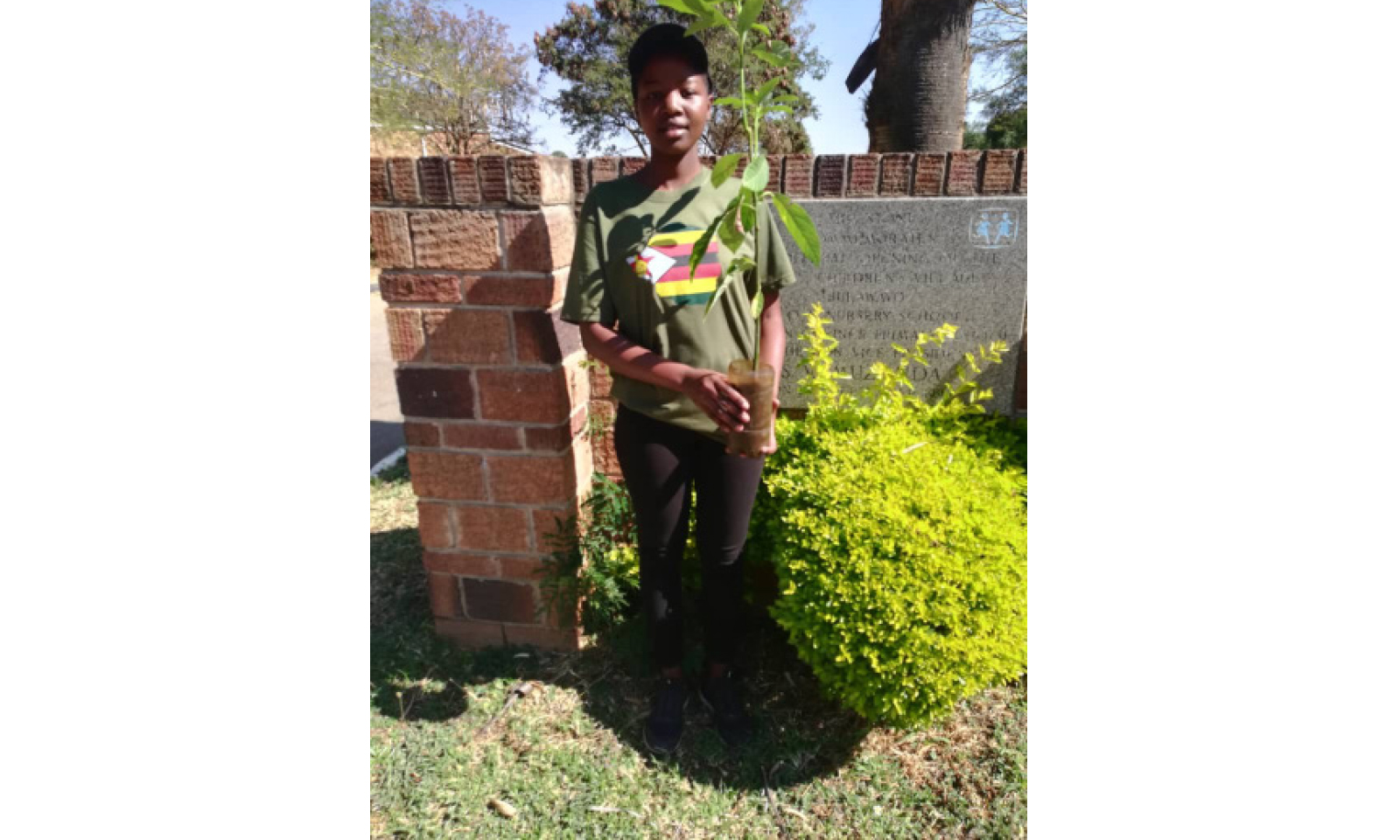
Blessed Moyo-Youth Interactive Correspondent
In a remarkable demonstration of environmental stewardship, 18-year-old Simelweyinkosi Masuku from Bulawayo has single-handedly planted an impressive 2,000 trees in the Matebeleland region.
Inspired by her grandfather’s legacy of planting 10,000 trees during his time at the Bulawayo City Council Parks Department, Miss Masuku shows how one person can truly make a difference.
Echoing President Mnangagwa’s call to plant trees for a prosperous future, Masuku believes passionately that trees are vital to life and is dedicated to her ongoing efforts. In an interview with the Zimpapers Arts Hub, she shared that she has already planted over 240 trees this year in various locations.
“I have planted 240 trees altogether in different schools and prisons in just three months,” she said with a chuckle.
“I planted 144 trees at Ntabazinduna Prison, 50 at Rangemore Primary School, and 50 at Marist Brothers High School.”
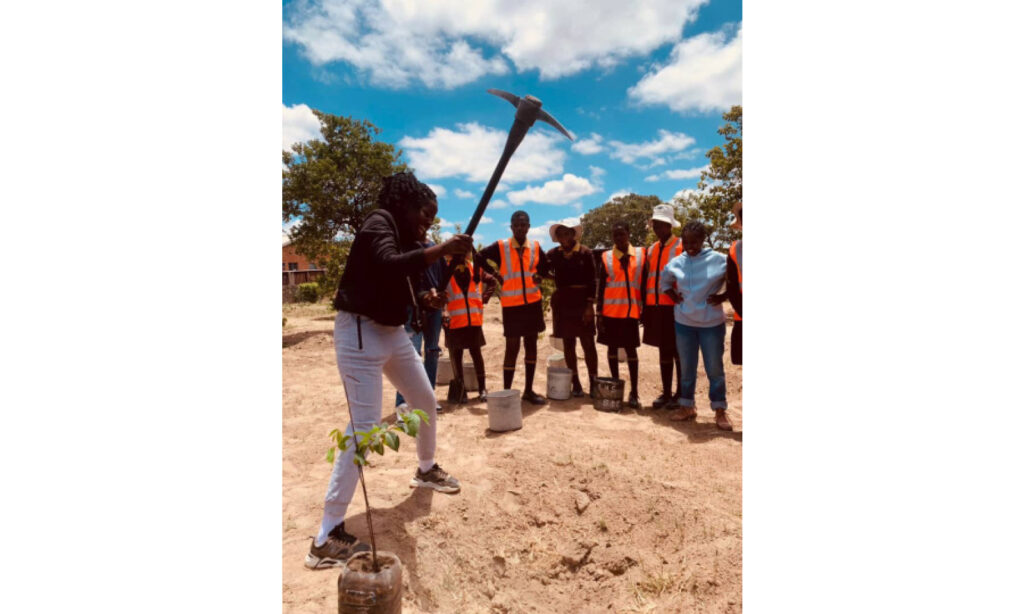
Her initiatives have introduced various tree species, including avocado, mazhanje, mangoes, peaches, waterbury, guava, and lemon, to these schools and prisons. She took the initiative to donate to schools after receiving government support to teach students about nature conservation.
“Protecting and loving the environment has become a lifelong passion for me,” Masuku stated. “I also love to engage with young children and make them take responsibility for their future.
The aim is to make them understand that tree planting is everyone’s duty, including theirs.”
With an ambitious goal of planting a million trees by 2030, she is making significant progress toward realising her vision. However, her journey has not been without challenges. She balances her responsibilities as a hairdresser, attends to household chores, and maintains her nursery.
“This is not easy because I have to manage being a good child at home, being a hairdresser, and also going to work while continuing with my vision for 2030,” she explained.
Masuku has predominantly focused on planting indigenous trees due to their low maintenance requirements.
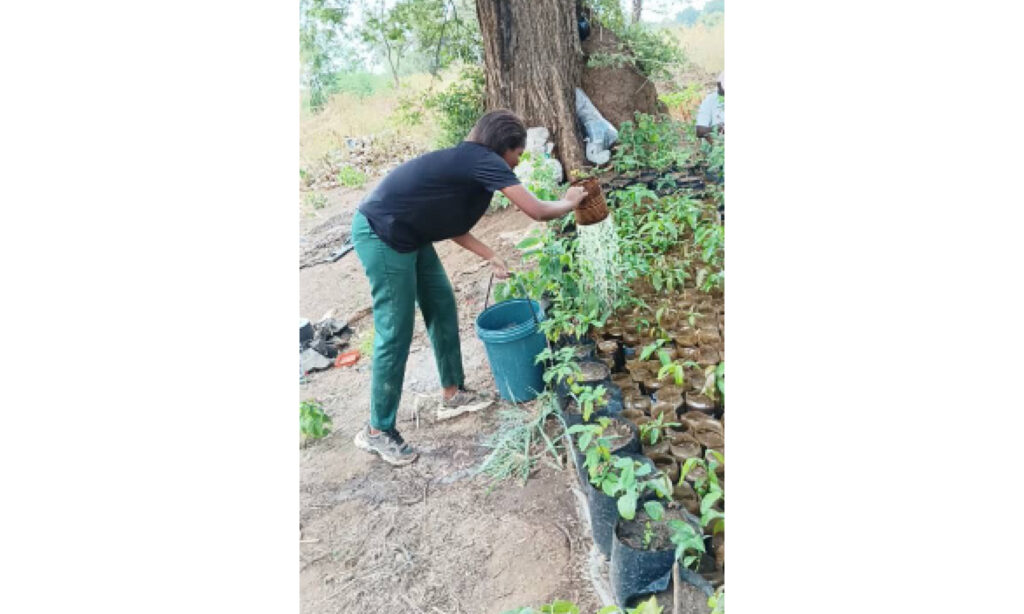
This year, she has started planting exotic trees, taking advantage of the abundant rainfall. She emphasized the cultural significance of indigenous trees, which play a vital role in traditional folklore, rituals, and practices.
“By planting these trees, I hope to help preserve the cultural identity of the people and communities,” she said. She also highlighted the practical advantages of indigenous trees, particularly their resilience and adaptability to Zimbabwe’s climate.
“Indigenous trees are drought-resistant, which makes them ideal for our weather conditions,” she added, noting that this hardiness reduces the need for extensive care.
Masuku has called on her peers and everyone in the country to join her in making a difference by planting trees in their communities.
“Planting trees is everyone’s duty. It not only beautifies the landscape but also provides fresh air for everyone,” she said.



 Online Reporter