


 Chronicle Editor
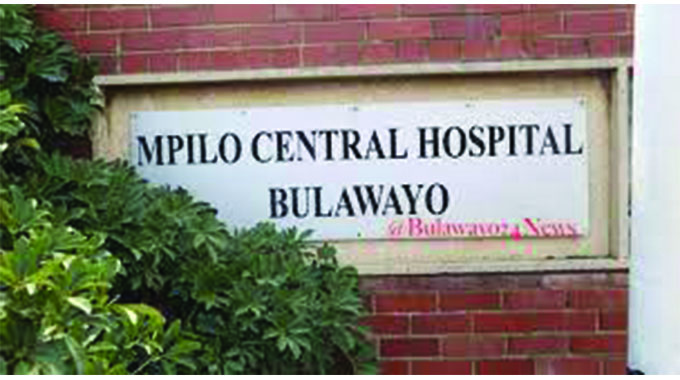
THE case of the fake doctor caught recently operating at Mpilo Hospital prescribing incorrect medications raises serious concerns about patient safety, medical ethics, and the integrity of healthcare systems.
This incident is not merely an isolated case; it is a troubling symptom of deeper systemic issues in healthcare that demand urgent attention.
At the heart of this scandal is a profound breach of trust. Patients enter hospitals with the expectation that they will receive competent care from qualified professionals. The revelation that an individual impersonated a doctor, misprescribing medications, shatters that trust.
Patients rely on healthcare providers not just for treatment, but for safety and reassurance. When this trust is violated, it poses a significant threat to public health, as well as to the reputation of the healthcare system as a whole.
The consequences of this impersonation are dire. Prescribing the wrong medication can lead to severe health complications, including adverse drug reactions, deterioration of existing conditions, and even death. The fact that patients were subjected to potentially harmful treatments underscores the urgent need for rigorous verification processes within healthcare institutions.
This incident highlights the vulnerabilities in the healthcare system, particularly in staffing and credential verification. It raises questions about how such an individual could gain access to a hospital environment and interact with patients without proper oversight.
There must be stringent protocols to ensure that only qualified professionals are allowed to practice medicine, including thorough background checks and continuous monitoring of healthcare practitioners.
The Mpilo Hospital incident serves as a wake-up call for healthcare authorities at all levels. It underscores the necessity of strengthening oversight mechanisms within hospitals and clinics. Regulatory bodies must implement more rigorous licensing processes and ensure that healthcare providers undergo regular credential checks.
Additionally, hospitals should adopt robust internal systems to verify the credentials of all staff members, including doctors, nurses, and administrative personnel.
Moreover, the healthcare sector must embrace technology to enhance patient safety. Electronic health records systems can play a crucial role in tracking prescriptions and identifying discrepancies. Implementing systems that require doctors to log their credentials and specialties can help prevent unauthorised individuals from practicing medicine.
Community awareness and vigilance are equally important in preventing such incidents. Patients should be encouraged to ask questions and verify the qualifications of their healthcare providers. Educational campaigns can empower patients to recognise the signs of unqualified practitioners, such as unfamiliar medical jargon, lack of professional identification, or evasiveness when discussing treatment plans.
Furthermore, hospitals should establish clear channels for patient feedback and reporting suspicious behaviour.
Encouraging an open dialogue between patients and healthcare providers can foster an environment where concerns are voiced and acted upon swiftly.
The ethical implications of this case extend beyond the immediate harm caused to patients. The act of impersonating a doctor speaks to a broader moral failing that undermines the integrity of the medical profession. Medicine is built on a foundation of trust, compassion, and a commitment to doing no harm. Those who violate this sacred trust like
Vanhuvaone, not only endanger lives but also tarnish the reputation of countless dedicated healthcare professionals.
As we reflect on the implications of the fake doctor at Mpilo Hospital, it is crucial to understand that this incident is a call to action. The healthcare system must evolve to protect patients and restore trust. Stakeholders must work collaboratively to identify vulnerabilities, implement safeguards, and cultivate a culture of accountability within the healthcare profession.
While the focus has rightly been on the immediate danger posed by the fake doctor, we must also address the systemic issues that allow individuals to exploit weaknesses in the system.
The case of the fake doctor at Mpilo Hospital is a stark reminder of the fragility of trust in healthcare. It serves as a clarion call for system reform, ethical vigilance, and community awareness. By addressing these issues head-on, we can work towards a healthcare system that prioritises patient safety.
Our hospitals and clinics must consider the use of digital credential verification systems. Many healthcare institutions use digital platforms that automate the verification of credentials. These systems can quickly check against databases maintained by licensing boards, educational institutions, and professional organisations to confirm the authenticity of a healthcare provider’s qualifications.
Incorporating technology into the credential verification process not only enhances patient safety but also fosters trust in the healthcare system. By leveraging these technological advancements, healthcare organisations can ensure that they employ qualified professionals, ultimately leading to better patient outcomes and a more reliable healthcare environment.



 Bongani Ndlovu
 Online Reporter