


 Online Reporter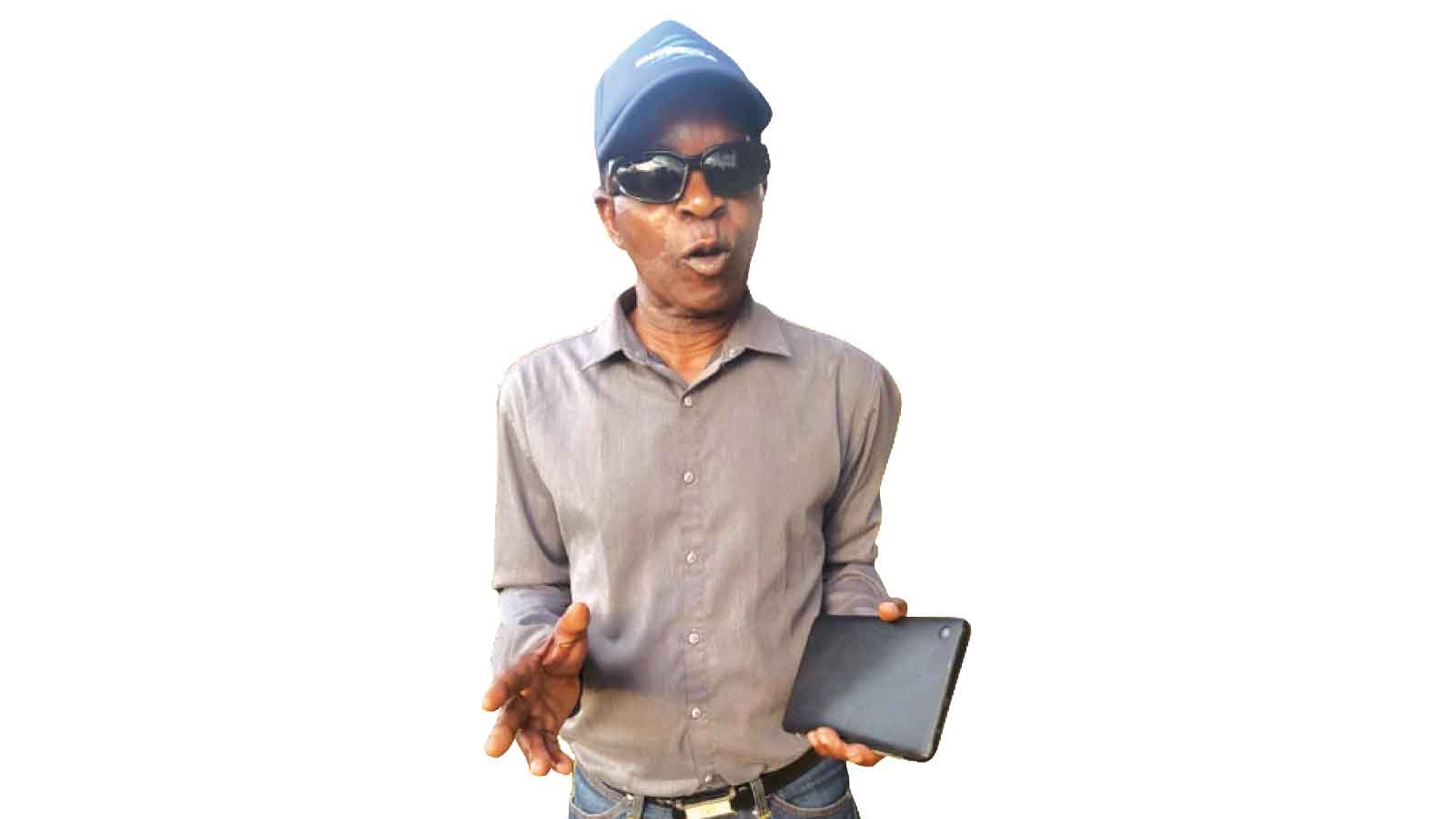
Chronicles from the 2nd Chimurenga
CDE SIMON MTETWA, whose nom de guerre was Same Order Maguerilla, was forced to join the liberation struggle by a combination of factors. These included a deep-seated desire to end colonial rule, as well as a rare but inspirational encounter with Mozambican FRELIMO fighters at a tender age. He begins chronicling his journey to the struggle and early experiences to our Society Editor, PRINCE MUSHAWEVATO.
***************
Q: Could you please begin by introducing yourself and providing a brief overview of your background?
A: My name is Simon Mtetwa. My liberation name was Same Order Maguerilla, though my colleagues often shortened it to Order. I was born on March 1, 1958, in Zamchiya, Chipinge district. I attended Zamchiya Primary School before enrolling at Gaza Secondary School.
However, I did not complete my high school studies; I dropped out in 1975 while I was in Form Two. I have eight children.
From my mother and father’s family, there were six of us — three boys and three girls. One of my brothers also joined the struggle but passed away after independence.
My other siblings were taken as refugees and placed at Nyadzonya, though I never saw them after I crossed the border for training. Others were placed in protected villages (keeps) in the Madhuku area of Chipinge.
Q: How were you first introduced to African nationalism?
A: As I mentioned, the political climate in 1975 made it impossible for me to continue with school. The oppression was simply too much and I decided to cross into Mozambique to join the brave sons and daughters of the soil who were fighting for the country’s liberation. Living right on the Zimbabwe-Mozambique border played a significant role.
My mother was Mozambican and her place of origin was only a stone’s throw away from our home in Zimbabwe. After school and on weekends, I often visited my maternal uncles across the border.
One weekend in 1974, around 2pm, while we were sitting at their homestead drinking home-brewed beer, I saw three armed soldiers walking towards us.
At that time, there were rumours that Mozambique had just been liberated from colonial rule, but people living very far from the capital — right on the Rhodesian border — were still finding it hard to believe. The three fighters approached us and my brother Isaac greeted them.
They did not speak Shona. However, one of them spoke in a dialect close enough to ours for us to communicate. He confirmed that they had indeed liberated Mozambique under FRELIMO.
They came to invite us to a meeting the following day to officially announce the attainment of Mozambique’s independence. Crucially, they told us they knew Rhodesia was in trouble under the Smith regime and pledged their support to help us free our country.
They were incredibly confident, claiming it was an easy mission that would only take a few hours. In their words, they said, “If we join the struggle against the Rhodesians at 2pm, they will have surrendered by 6pm.”
It was their confidence and composure that motivated me. After that encounter, I struggled to concentrate in class; my heart was now elsewhere. I eventually dropped out of school in September 1975.
Q: What happened after you left school?
A: I connived with my late friend, Charles Chinyoka Chirimumbiya, who later joined the Zimbabwe National Army, to cross the border into Mozambique for military training. At that time, many students were skipping the border. Sometimes, a school with three senior classes would lose an entire class to the struggle. Students left willingly. We felt a deep calling to join the cause, also inspired in part by the myths that comrades could melt (kunyunguduka) into the ground to dodge the Rhodesian forces. We wanted that power for ourselves. The thought of being issued your own gun was also more than enough inspiration.
Q: What was the situation like once you reached the training camps in Mozambique?
A: Once we crossed, we were faced with a harsh reality that some of our colleagues simply could not withstand. We realised then that it was not as rosy as we had imagined. We had thought we would just cross the border, do a few drills, get a gun and come back to fight.
Instead, we came face to face with why it was called Chimurenga — a struggle. There was untold suffering in the camps. We discovered that the term kunyunguduka was figurative; it referred to the tactical skills of disappearing during an attack or battle to survive — crawling, advancing, striking and retreating — which formed the basis of guerrilla warfare.
The food shortages were severe. At times we would receive less than a handful of maize grains to last the entire day. Consequently, some survived on wild fruits like mundoda or ndodzi, drinking lots of water to feel full. On rare occasions, we received rice, but it was routine to go three or more days without a proper meal. We also battled “hurricanes” and matekenya (jiggers). We are lucky to be alive; what we encountered was simply brutal.
Next week, Cde Mtetwa recounts his journey into Mozambique, the rigours of the training routine and his eventual deployment to Zimbabwe.



