


 Online Reporter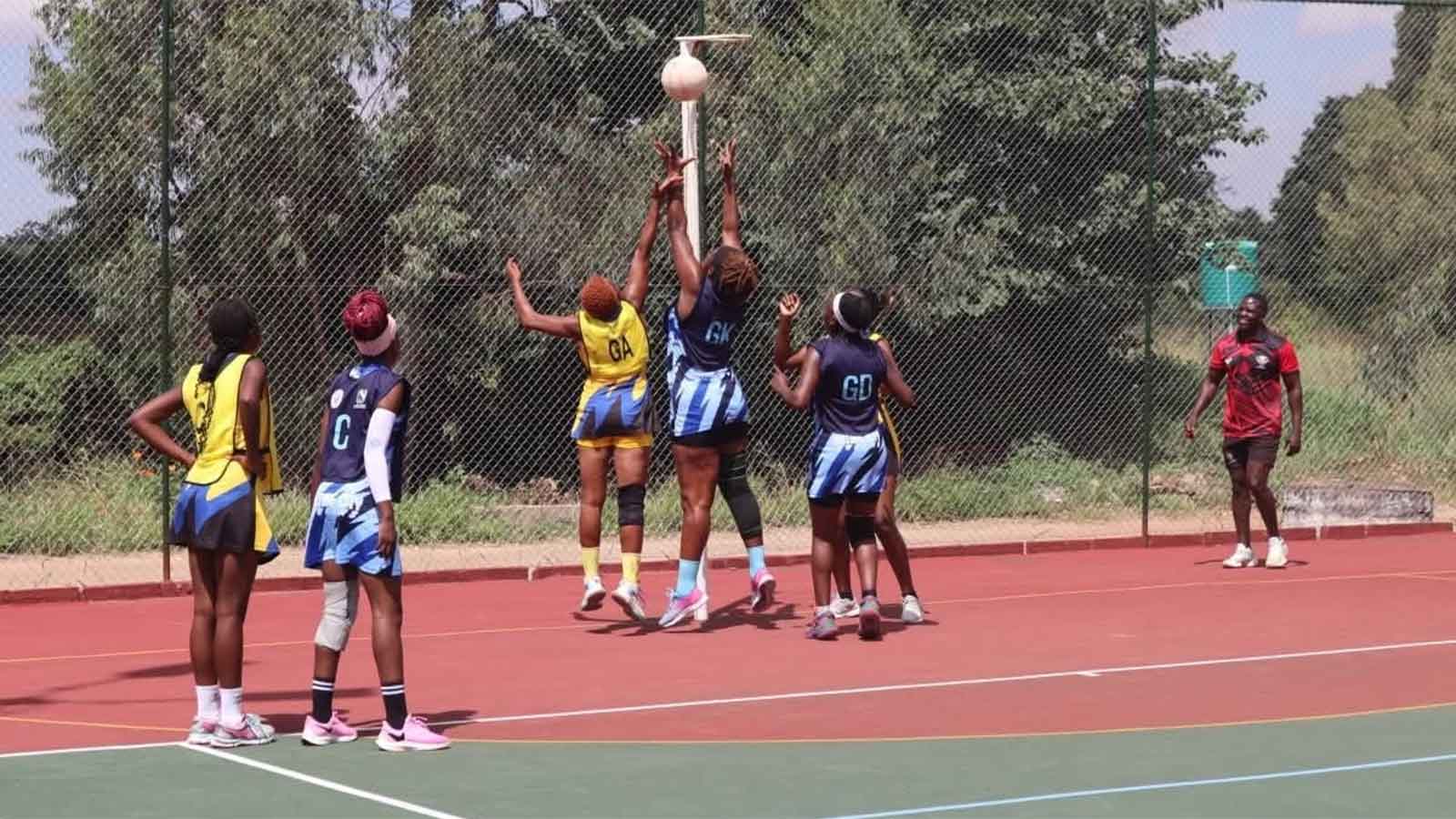
Tendai Chara-Zimpapers Sports Hub
THE medals were won, the cheers came and went, and Harare got its four-day burst of campus pride, but once the Zimbabwe Tertiary Sports (ZiTS) Games ended, the bigger question refused to leave.
Are these games building Zimbabwe’s next elite athletes, or are they simply giving students a well-organised social break?
That debate now sits heavily over ZiTS. Bringing together athletes from the Zimbabwe Universities Sports Association, Zimbabwe Technical Colleges Sports Association and Zimbabwe Teachers Colleges Sports Association, the games offered football, basketball, volleyball, netball, athletics and indoor disciplines under one roof.
On paper, it was a celebration of youth sport, competition and institutional pride.
But beneath the activity, another conversation quietly grew louder — whether Zimbabwe’s tertiary sports system is genuinely producing future professionals or merely packaging entertainment.
That is where ZiTS’ real test begins.
For years, tertiary sport has sold itself as an important developmental stage, a bridge between raw youthful promise and bigger competitive arenas. But critics argue that bridge still looks incomplete.
Yes, college sport can produce intense rivalries and memorable contests. Stadiums can be lively. Talent can flash.
But does it consistently produce footballers ready for top-flight leagues, boxers built for serious professional circuits or cricketers prepared for elite domestic and international standards?
For veteran sports administrator Cleopas Gochera, who has spent years working in athlete development through wrestling, that answer remains troubling.
“The gap between tertiary sport and professionalism is very wide. In my view, the games must be structured in a way that makes it easier for students to graduate from college to professional sport,” he said.
His concern cuts deeper than the games themselves.
Zimbabwe has no shortage of young talent. The real struggle has often been systems that fail to move that talent properly.
Gochera believes tertiary competitions still lack a deliberate professional pipeline.
“There is a need for a clear structure for moving athletes into professional setups. In my view, tertiary games are not tailored to develop college students into future professional stars,” he said.
His words challenge the very purpose of the tournament.
If ZiTS is to be viewed as more than a calendar event, it must prove it can identify, nurture, monitor and transition standout athletes beyond campus grounds.
Without that, critics say, the games risk becoming exciting, but temporary.
That frustration is shared by some who watched the games unfold.
Andrew Muchingami left one of the events unconvinced.
“These games are a social pastime and nothing more. Based on what I observed today, students use these games to network and enjoy themselves,” he said.
“Some of the students clearly lacked zeal and determination. I witnessed players from a losing team smiling and joking, as if they had won medals.
“In general, the students do not take the games as a serious career development platform.”
His remarks may sound harsh, but they expose a recurring concern around Zimbabwean tertiary sport mentality.
At elite level, margins are often shaped by hunger, seriousness and competitive obsession.
Critics argue that if athletes approach tertiary games primarily as social spaces, then the platform itself can struggle to build the intensity required for professional progression.
And the scrutiny does not end on the field.
Tertiary competitions have often battled uncomfortable associations with alcohol abuse, promiscuity and drug use, realities serious enough for Deputy Minister of Higher and Tertiary Education, Innovation, Science and Technology Development Simelisizwe Sibanda to directly address during the official launch.



