Chronicle Editor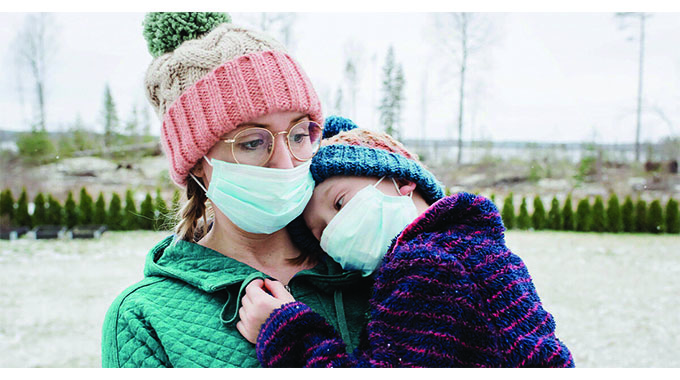
Health, Dr Tatenda Simango
I hope I find you well and in good health. The country has been recording an increase in Covid-19 cases, raising the concerns of a third wave in Zimbabwe. South Africa is struggling to contain the increase in Covid-19 cases. This is a clear sign that the virus is still spreading and its further spread is dependent on our behaviour; mask wearing, hand hygiene, physical distancing and cough etiquette.
With the relaxation of the regulations to control Covid-19, the ball is back in our court to follow the preventative measures, thus preventing the dreaded third wave that has been making the rounds globally.
Institutions should be strict in implementing work timetables that decongest offices. They should not be strict on keeping a 100 percent attendance register; if unwell, workers and learners should recover from home. Closing of religious worship centres should be considered as there is violation of Covid-19 regulation in some cases. Virtual sermons should be made, preferably.
It seems we have already forgotten or dismissed the trouble of being locked in our homes and the need for a permit to pass roadblocks.
Children had gone a full year with insignificant learning taking place, especially in the public schools. The probability of a third or repeated wave is ever imminent but with effective control measures in place our individual choices will determine whether we get another spike in cases that warrant lockdown. Watching the misbehaviour; hugging, hand shaking and non-mask wearing of citizens prowling the streets gets me wondering if people understand the repercussions.
Covid-19 has been merciless to communities that have thrown all caution to the wind. Human nature is hard to deal with, let alone control.
This dynamic makes vaccines relevant to the fight against the Covid-19 pandemic. There are various classes of vaccines that are being used.
The ultimate goals of the vaccination programme are to reduce: severity of infection, rate of hospitalisation and deaths from Covid-19. This is done by making the body recognise the virus upon infection and mounting a defence thus preventing spread and symptom severity in the infected. Without vaccination the Covid-19 infections spread before the body recognises and mounts a defence.
In Seychelles, the chain of islands off the east coast of Africa, over 70 percent of the population has received at least one dose, and 63 percent have been fully vaccinated since the rollout began in January. It has vaccinated more people per head against Covid-19 than any other country, but has experienced a spike in cases. She has a population of around 100 000 people.
Seychelles is viewed as having conducted a very successful vaccination rollout so far; it can boast having the highest share of people vaccinated against Covid-19 anywhere in the world, above Israel and the UK.
The first vaccine to be used was the Chinese-made Sinopharm, using doses donated by the United Arab Emirates. The other vaccine used is the AstraZeneca vaccine. It is not known how many out of those fully vaccinated people who tested positive for Covid-19 had received Sinopharm, and how many had been given AstraZeneca.
Dr Jude Gedeon, the country’s health commissioner stated that about two-thirds of those who tested positive largely had mild or no symptoms. Of those who needed admission to hospital, 80 percent were people who hadn’t been vaccinated, and a majority of these also had other health conditions. Dr Gedeon believes the rise in cases could be as a result of increased economic activity.
On March 25, Seychelles announced that visitors could enter without the need to quarantine, although a negative Covid-19 test is still needed and entry restrictions apply for some countries. Restrictions were relaxed, including the reopening of restaurants and the resumption of school classes. Officials have also suggested Easter celebrations may have contributed, along with people dropping their guard against the possibility of infection, having received one or more doses of the vaccine.
The ministry noted that, of the patients requiring hospital treatment, 80 percent had not been vaccinated and tended to be people with co-morbidities. It added that “almost all” of the critical and severe cases requiring intensive care treatment had not been vaccinated either. To date, none of the patients who have died with Covid-19 have been fully vaccinated.
On Monday, WHO’s Director of Immunisation, Vaccines and Biologicals, Dr. Kate O’Brien, said: “As was noted, the vaccines are highly efficacious against severe cases and deaths. Most of the cases which have occurred are mild cases. However, what is also important is that a substantial fraction, over 80 percent of the population, has been vaccinated. But as we know . . . some of the cases that are being reported are occurring either soon after a single dose, or soon after a second dose, or between the first and second doses.”
The WHO has repeatedly warned that vaccination alone would not be enough to stop the pandemic in its tracks, but would rather be another weapon in the arsenal to fight the virus. The situation faced by Seychelles acts as a reminder that no coronavirus vaccine currently in use has been proven to be 100 percent effective at preventing Covid-19 infection. Still, all the vaccines currently authorised for use by the WHO have proven to be very, if not extremely, effective at preventing serious Covid-19 infections, with cases, hospitalisations and deaths greatly reduced in countries with advanced vaccination programmes, like the UK.
With a third wave of cases and new virus variants having the potential to cause further loss of life and economic destruction, time is of the essence to approve and distribute life-saving vaccines around the world, with the more available, the better.
Till next week, keep warm and stay safe.



 Online Reporter