Online Reporter
Mthokozisi Ncube
FORGET the days when a parent’s biggest worry was a child climbing a dangerous tree or staying out past the streetlights.
In the modern household, the “danger zone” fits right in the palm of a child’s hand.
The digital age has brought the world to our doorstep, but it has also opened the gates to a predatory underworld.
Recent “digital negligence” scandals have left the city reeling, sparked by a shocking incident at Sobukhazi High School, where pupils were suspended for running a secret WhatsApp channel filled with cyberbullying and explicit content. Some even went as far as hiring “fake parents” to mask their digital footprints.
This has ignited a fierce debate: Is checking your child’s phone an intrusion of privacy or a fundamental act of protection?
In Zimbabwe, the law walks a tightrope between parental responsibility and the constitutional right to privacy. While the Criminal Law (Codification and Reform) Act makes it illegal to hack a phone, parents acting in a child’s best interest are rarely prosecuted.
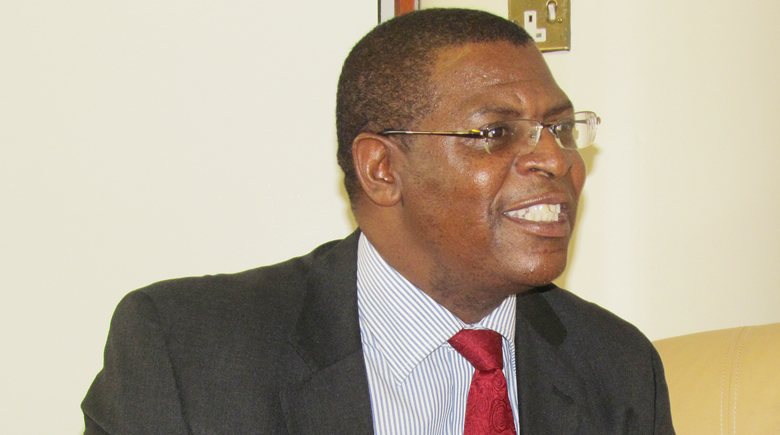
Legal experts, however, say the boundaries are blurry. Professor Welshman Ncube explained:
“A person under 18 is under parental control. Parents may dictate phone use, but corporal punishment is prohibited.”
Adding to the complexity, another lawyer, Dereck Kossam, noted that while children enjoy rights under the Bill of Rights, the law doesn’t clearly regulate parental access.
“This creates a legal gap that may require the Constitutional Court to resolve,” he said.
Meanwhile, Matshobane Ncube warned that under the Data Protection Act, phones are considered computers.
“Unauthorised access is prohibited even for parents. The safest option for concerned parents is simply not to give children phones,” he suggested.
For many parents, the “hands-off” legal approach doesn’t sit well with the reality of raising a teenager in 2026. They point to cases like that of 36-year-old Godwell Mumba, who was jailed for an affair with a 14-year-old girl — a secret that only came to light during a kidnapping investigation.
If the mother had checked the phone, they argue, the abuse might have been stopped sooner.
A parent, Busani Nkomo, believes a “wise” eye is necessary.
“Children are minors. Even though, as parents, we may not check their phones every day, it is still important to be aware of their activities,” he said.
“When parents occasionally check their phones, they can teach responsible phone use and correct harmful behaviour early.”
However, another parent Lizzy Sibanda feels the current laws need a makeover to match the times.
“Children have a right to privacy, but the same privacy can sometimes lead them to mischief in the future. It is important for such laws to be reviewed,” she argued.
Experts suggest that instead of “secret spying,” parents should use transparent monitoring tools. Apps like Google Family Link, Qustodio, and Bark allow parents to track screen time and filter content without resorting to “hacking.”
The Sobukhazi scandal proves that a data bundle without supervision is a recipe for disaster.
Whether it is a “right” or a “responsibility,” the consensus is clear: in the digital frontier, parents must be more than just providers — they must be guardians.
Meanwhile, Zimbabwe is currently adopting a Child Online Protection Policy framework to promote responsible internet use while balancing the digital rights of minors.
Speaking in Hurungwe on Sunday, ICT, Postal and Courier Services Minister Tatenda Mavetera said the policy — currently in the formulation stage — responds to increasing online abuse involving teenagers and learners.
The minister emphasised that the initiative aims to safeguard the mental health of minors from harmful digital content.
“Minister Mavetera added that the policy would seek to restrict social media access for children under the age of majority to ensure their safety.