


 admin
admin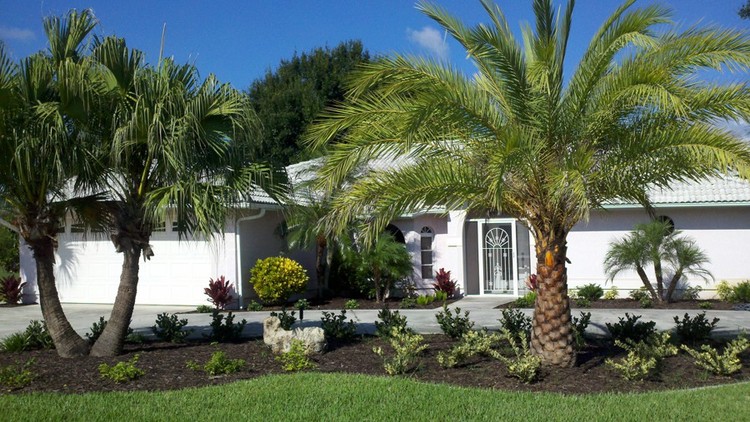

As ornamental plants, palms are quite useful also because they can reach heights of up to 30 metres, making them good specimens to plant alongside high storey apartments or office blocks.
THE tropical climate is inundated with palms of all kinds of shapes and sizes.
Palms are evergreen plants found in rain forests all around the world with a few species being found in desert climates.
Even Jesus walked on palm leaves on the regularly celebrated Palm Sunday before He was crucified.
Palms are versatile plants in your garden.
Their shallow roots make them useful plants near swimming pools or buildings.
They don’t destroy foundations or cement slabs. The palm leaves come in different shapes, being particularly useful in formal or informal landscapes.
The leaves offer perfect symmetry in your formal garden, fitting well with any water feature in your garden.
As ornamental plants, they are quite useful also because they can reach heights of up to 30 metres, making them good specimens to plant alongside high-storey apartments or office blocks.
These useful plants are not just used for ornamental purposes but have been used as a source of food by man for centuries.
Coconuts, dates, palm oil and palm wine are some of the common products from these plants.
Palms are low maintenance plants with different species which can be planted in shade or in a full sun position.
These graceful plants will respond to generous watering and fertilising. Well rotted compost is particularly useful.
To grow palms, successfully choose a well-drained site to start with.
Dig a hole for each palm 1,5 metres wide and a metre deep. Mix the soil from the hole with two to three wheel burrows of well-rotted manure.
Additional fertiliser can be added, preferably a slow release compound fertiliser up to 3kg per station. Water the palms generously once every two weeks.
The graceful Queen Palm (Arecastrum Romanzoffianum), which has feathery foliage, is one of the best waterside plants available.
It can withstand low temperatures and is fast growing. It is equally the same with the King Palm (Roystonea Regia), however, they are both different species.
One of Zimbabwe’s indigenous palms is Phoenix Reclinata, the wild date palm; multi-stemmed forming an impressive mass, pleasing to look at beside a pool.
Magnificent specimens of Phoenix Canariensis (Canary Island date Palm) can be found in Bulawayo’s main park.
An interesting specimen can be found in the National Botanic Gardens, but rare now in the wild is Raphia Farinifera, the Raffia Palm. Its erect leaf can be long as 17 metres.
My favourite palm is the Golden Cane Palm, (Chrysalidocarpus Lutescens), which is also a multi-stemmed palm with golden foliage, an excellent pot specimen for both the indoors and outdoors in your garden.
A number of palms can be used as indoor plants as they are really elegant particularly in places such as hotels and shopping malls.
Plant Chamadorea Elegans, Howea Fosterana and Livistonea Chinensis are some indoor palm specimens.
Palms will lend a tropical feel to your garden, so take time to plant a few in your garden.
You can either purchase potted palms from a nursery or you can collect your own seed.
Collect fresh ripe seed from the trees and plant these when they are still fresh.
Dried palm seeds do not germinate. Palm seeds can take as long as three months to germinate so be patient when you plant them.
Just keep the compost moist but not waterlogged.
Andrew Mangwarara is a horticulturist who has worked in the landscaping industry for more than 10 years. You can reach him at [email protected]



 Bongani Ndlovu
 Online Reporter