

 admin
admin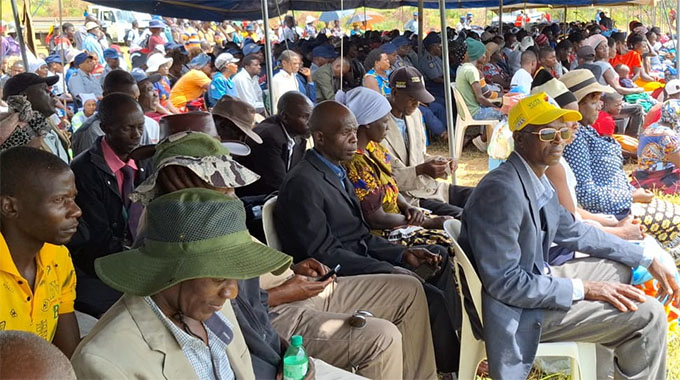
Nick Mangwana
Government Up Close
Recently, this writer was speaking to colleagues who live in the Harare Central Constituency and asked them who their Member of Parliament was.
In a straw poll of seven people, none of them had a clue. Further questions were around whether they knew where the constituency office was, blank faces stared back at him.
The final question was whether they have heard of their MP holding surgeries for his constituents and they genuinely had no clue what this writer was on about.
Parliament is the backbone of Zimbabwe’s democratic system and Members of Parliament (MPs) play a vital role in shaping the country’s legislative landscape and advocating for the interests of their constituents.
So let us start by explaining why MPs should hold surgeries so that the reader can follow the logic of arguments being proffered.
MPs hold surgeries to provide a direct link between constituents and the parliamentary process, ensuring accountability and effective representation.
These are regular meetings held by Members of Parliament with their constituents. These regular meetings enable individuals to discuss personal concerns, seek guidance, and receive assistance on various issues. By listening to constituents’ experiences and opinions, MPs gain valuable insights into local needs, informing their decisions in Parliament and allowing them to advocate more effectively on behalf of their different communities.
These surgeries, therefore, give citizens a sense of ownership of governance and the democratic processes.
Going by own experience of not knowing where one’s MP’s constituency office is and despite being on many local residents’ community WhatsApp groups, and not having heard of any meetings called by the MP, one can fairly argue that citizens are being short-changed by many urban MPs.
If there are no face-to-face meetings with the constituents they represent, how are they representing their interests without talking to them? It is through such face-to-face interactions that MPs demonstrate their commitment to serving the public interest, address local problems, and build strong relationships with their constituents, ultimately strengthening the foundation of representative democracy.
As it stands, most urban residents feel disconnected from their elected representatives, who seem more focused on getting their seating allowances and other perquisites and frills that come with the office.
This is quite different from rural constituency MPs who are more in touch with the people they represent. Many have witnessed some rural MPs never missing to attend a funeral in their constituency or any social gathering where they have an opportunity to be with their people and press flesh. Urban readers are called upon to reflect on when they last held a town hall meeting with their Member of Parliament to get an update on a Bill that’s before Parliament so they can give their input or take.
The Constitution of Zimbabwe outlines the functions and powers of Parliament, with MPs serving as the people’s representatives.
Section 119 states that Parliament’s primary role is to “ensure that the Constitution is upheld and that the State and all institutions and agencies of Government at every level are accountable to the people.”
MPs are elected to represent the interests of their constituencies, ensuring that the voices of citizens are heard and addressed.
A number of urban areas in Zimbabwe face unique challenges, such as poor lighting systems, broken traffic lights, substandard public services, very poor refuse collection, poor amenities and a myriad of other problems emanating from failures by local authorities. However, these issues appear to be totally ignored by their MPs who seem not to get that they have a role as advocates of the people’s interests.
Urban MPs’ lack of visibility and engagement has resulted in a disconnect from their constituents. Residents feel that their MPs are out of touch with their needs and concerns. This disconnect is exacerbated by the limited accessibility of MPs, who often fail to provide regular updates on their activities and decisions.
Members of Parliament are elected to represent the people, making them agents of their constituents. As such, they have a responsibility to constantly report back to their principals — the people who elected them.
This is essential for effective representation and ensuring that the voices of citizens are heard in the decision-making process. By engaging with their constituents, MPs can better understand their needs, concerns, and opinions, which informs their decisions in Parliament. This two-way communication also helps build trust and credibility between MPs and their constituents.
Urban residents must demand more from their MPs. Those MIA (Missing in Action) MPs must be held accountable.
Then we have this other group of Urban MPs who fail to represent their constituents’ interests in Parliament, yet vigorously advocate for their own benefits.
This lot undermines the fundamental principles of representative democracy.
This disconnect between MPs and their constituents can lead to feelings of disillusionment and disenfranchisement among urban voters.
The role of an MP is to give voice to the concerns and needs of their constituents, but when they prioritise personal perks over people’s issues, it erodes trust and accountability.
The silence of these MPs on critical urban issues is deafening. Meanwhile, they are vocal about their own interests, demanding better pay, benefits, and privileges. This stark contrast raises questions about their commitment to serving the public interest. Constituents have the right to expect their elected representatives to champion their causes, not just their own. It is time for urban MPs to be held accountable for their inaction and to start truly representing the people who elected them.
When researching for the article, the writer was informed by urban MPs from the ruling party that they are finding it difficult to work in opposition dominated areas.
Meetings are held nicodemusly by either councillors or local authorities which should have been enriched by the presence of the MPs. But they are marginalised on petty political reasons.
This is unacceptable.
The partisan standoffs harm the very people they are supposed to serve, leaving urban communities without effective representation at critical engagements.
The lack of cooperation is a stark reminder of how some politicians always remain parochial and provincial.
Lessons have to be learnt from His Excellency President Mnangagwa who does not care about who voted for him or against him, but serves the interests of every Zimbabwean, leaving no one behind.
Central Government’s intervention in urban areas became necessary due to the failure of local authorities, which were plagued by inefficiencies, partisan politics, and inadequate service delivery. The opposition parties have always had the majority of urban MPs since 2000. This was the beginning of the breakdown in essential services.
For instance, urban roads were in disarray, taped water has turned into a visitor in some areas and a novelty in others.
The Central Government had to step in to address these issues and protect residents who still pay rates for services that are never enjoyed.
Central Government intervention measures include supervising Local Government, monitoring performance, and implementing reforms to improve service delivery and accountability.
That is at governance level. At practical level, interventions include drilling boreholes for immediate potable water supply. For longer term water supply systems, the construction of Kunzvi Dam is underway in Harare and Gwayi Shangani for Bulawayo.
Bulawayo residents also benefited from the Nyamandlovu Aquifer water supply system until the pumps were vandalised. Central Government set to restore order, efficiency, and effective governance in many urban areas, ultimately benefiting the residents who had been let down by their local authorities. But where were the urban area MPs?
It is time for all office bearers to prioritise the welfare of the people and the national interest.
Zimbabweans deserve better than politicians who put party loyalty above public service. By working together across party lines, MPs can address pressing urban issues. It is not about political affiliation; it is about delivering essential services and improving lives. The people deserve so much better from these office bearers.
In conclusion, let us say, to truly serve their constituents, urban MPs must engage in regular communication, listening to concerns and providing updates on their actions.
This can be achieved through town hall meetings, public forums, and social media updates.
By doing so, MPs can rebuild trust and demonstrate their commitment to addressing the pressing needs of their constituents.
Ultimately, the responsibility lies with the constituents themselves to demand more from their elected representatives.
By organising community forums, advocacy groups, and social media campaigns, residents can hold their MPs accountable and push for change.
It is time for urban MPs to be held accountable for their inaction and to start truly representing the people who elected them.
Narrow political party loyalties have influenced some constituents to be mute on issues they should add their voices on.
Five years later, they will still vote for that inept person because of their political badge rather than their past performance and competence. It does not have to be like that. People deserve better and should demand better.
Nick Mangwana is the Permanent Secretary for Information, Publicity and Broadcasting Services


 Online Reporter