Moffat Mungazi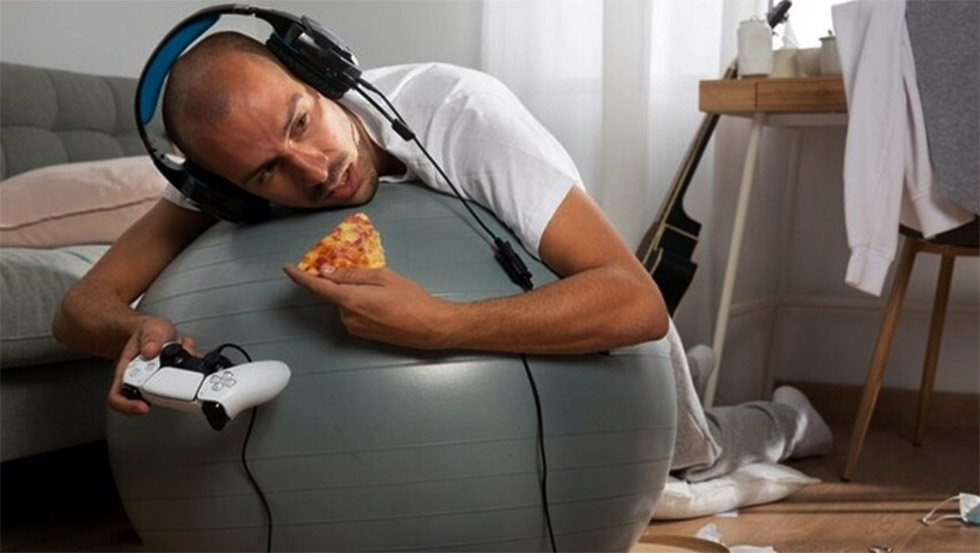
Dr Tendai Zuze
Health Matters
IN an era where technology and urbanisation are reshaping daily routines, many Zimbabweans are leading increasingly sedentary lifestyles.
Long hours are spent in traffic, and digital entertainment has taken precedence over physical activity.
While this shift may seem harmless, the health risks associated with a sedentary lifestyle are significant and often underestimated.
A sedentary lifestyle is characterised by prolonged periods of inactivity, such as sitting at a desk, watching television, or using mobile devices for extended hours.
In Zimbabwe, this trend is visible in workplaces, educational institutions, and homes, where technology has gradually reduced the need for movement.
The rise of urbanisation and corporate employment has led to a culture where physical exertion is minimal, further exacerbating the problem.
As more Zimbabweans adopt sedentary routines, the prevalence of non-communicable diseases such as obesity, hypertension, diabetes, and heart disease continues to rise.
The shift from physically demanding jobs to office-based roles has contributed to this growing health crisis.
Many individuals working in corporate environments struggle with back pain and posture-related issues due to improper workstation ergonomics.
Prolonged sitting restricts blood circulation, leading to swelling in the legs, varicose veins, and even deep vein thrombosis.
Furthermore, the lack of regular movement weakens the immune system, making individuals more susceptible to infections and illnesses.
Beyond physical health, the impact on mental well-being is equally concerning. A lack of physical activity has been linked to increased stress, anxiety, and depression.
With economic challenges already creating high levels of stress, inactivity only worsens the situation.
Additionally, employees who spend long hours seated often experience fatigue, poor concentration, and decreased productivity.
Many struggle with maintaining focus, and their efficiency diminishes as the day progresses. This cycle continues as physical inactivity affects both their professional and personal lives.
Several factors contribute to the sedentary lifestyle in Zimbabwe.
Unlike the past, when farming and manual labour were dominant, today’s workforce spends significant hours seated.
Recreational spaces are also limited, particularly in lower-income areas where safe parks and gyms are scarce.
Public transport systems often involve long hours of sitting in traffic or waiting for transport, further discouraging active lifestyles.
Meanwhile, the rise of smartphones, social media, and streaming services has shifted leisure activities from physical engagement to prolonged screen time.
To combat the dangers of a sedentary lifestyle, Zimbabweans must embrace movement in their daily lives.
Incorporating short walks during the workday, using stairs instead of elevators, and standing while working can help mitigate the effects of prolonged sitting. Walking or cycling for short distances instead of relying entirely on vehicles can also promote an active lifestyle.
Employers have a role to play as well, by introducing workplace wellness programmes that encourage exercise breaks and physical activity incentives.
At a personal level, reducing screen time in favour of outdoor activities can significantly improve overall health.
Engaging in community sports, joining fitness classes, or simply walking regularly can make a difference.
Making small but consistent changes to daily routines can prevent long-term health complications and improve the overall quality of life.
The hidden dangers of a sedentary lifestyle in Zimbabwe should not be ignored. As work and social habits continue to evolve, it is crucial to find ways to remain active and maintain overall well-being.
By consciously integrating movement into daily routines, individuals can safeguard their health and enhance their quality of life.
The key is to take proactive steps—every bit of movement counts toward a healthier future.
For more information on general wellness, contact [email protected]



 Online Reporter