Online Reporter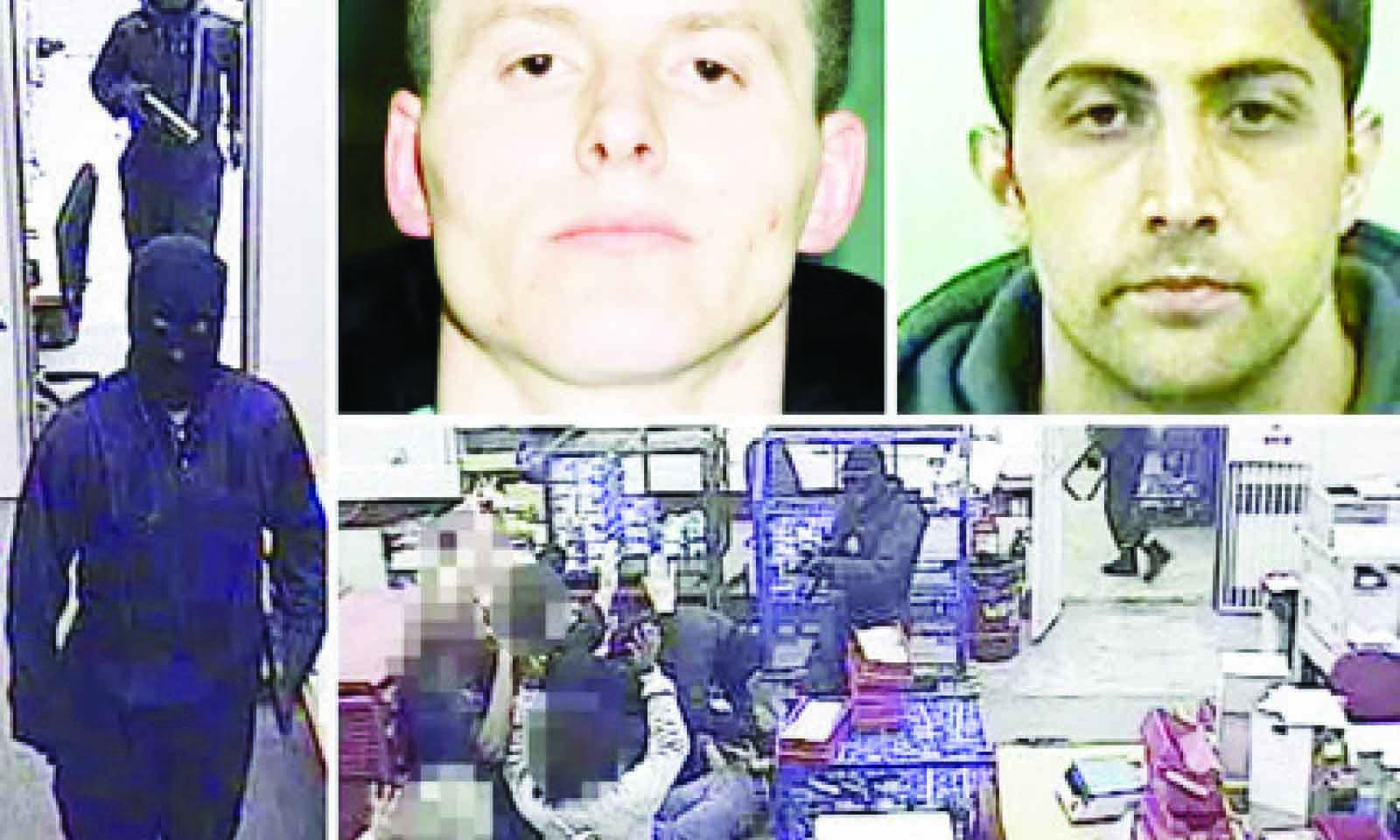
LONDON. − On February 22, 2006, one of Britain’s biggest robbery took place.
This started on a cold evening on February 21 and lasted for 22 hours till February 22.
This made history as the Securitas Depot Robbery.
Colin Dixon, the manager of the Securitas cash depot in Tonbridge, Kent, was driving home along the A249.
Then, flashing blue lights interrupted his routine.
A dark Volvo S60, appearing to be an unmarked police car, signalled him to pull over.
Two uniformed officers approached, one asking him to step out for questioning.
Dixon complied.
But this wasn’t an ordinary stop.
Before he could process what was happening, Dixon was handcuffed and forced into the Volvo.
His car was discreetly moved and the so-called officers – actually criminals in disguise – began a sinister charade, pretending to drive him to a police station.
Moments later, they ditched the act, pulling over in a secluded area and pressing a gun to his head. The message was clear: cooperate, or his family would suffer.
Meanwhile, in Herne Bay, Dixon’s wife Lynn and their young child were home when another pair of men dressed as officers knocked on their door.
They spun a different story.
Colin had been in a car accident and needed them at the hospital.
Unaware of the trap, Lynn stepped into their vehicle. It was only once they were on the road that the truth hit – she and her child were being kidnapped.
The family was taken to a remote farm in Staplehurst.
Dixon was interrogated at gunpoint about security measures at the depot. His hands shook, but he had no choice – his family’s lives were in their hands. By now, the heist was in motion.
At 1am on February 22, three vehicles left the farm for the Securitas Depot.
Dixon was in a Vauxhall Vectra, while the rest of the gang followed in a white Renault Midlum lorry and the fake police Volvo.
Arriving at the depot, Dixon played his role. He rang the buzzer at the staff entrance, with one of his captors – still disguised as a policeman -standing beside him.
The night shift guard, seeing his manager with a supposed officer, unlocked the door without hesitation.
That small decision cost the Bank of England £53 million.
Within moments, the gang stormed in, masked and armed with shotguns, handguns, and an AK-47. The staff – 14 in total – were subdued and tied up.
No one resisted; the gang’s aggression made sure of that.
They moved fast, loading millions of pounds into the lorry.
Bundles of cash wrapped in coloured plastic bricks were shoved into shopping trolleys and metal cages. But in their rush, they faced a setback -the metal cages were too heavy to move efficiently.
When an employee deliberately crashed a power lifter, the gang panicked. With time slipping away, they abandoned £154 million and made their escape at 2:44am.
It was only at 3:15am that the hostages managed to set off an alarm.
The heist was already over.
As the criminals vanished into the night, police scrambled to track them down. Within a week, several of their vehicles were found, one still carrying £1.3 million in stolen cash.
Raids in Welling and Southborough uncovered more hidden money.
By 2007, 36 people had been arrested in connection with the crime. Five were convicted, including the inside man, Emir Hysenaj.
The alleged mastermind, cage fighter and drug dealer Lee Murray, escaped to Morocco but was eventually imprisoned there.
His accomplice, Paul Allen, was extradited, jailed in the UK, and later survived a shooting in 2019.− timesnownews.com