Online Reporter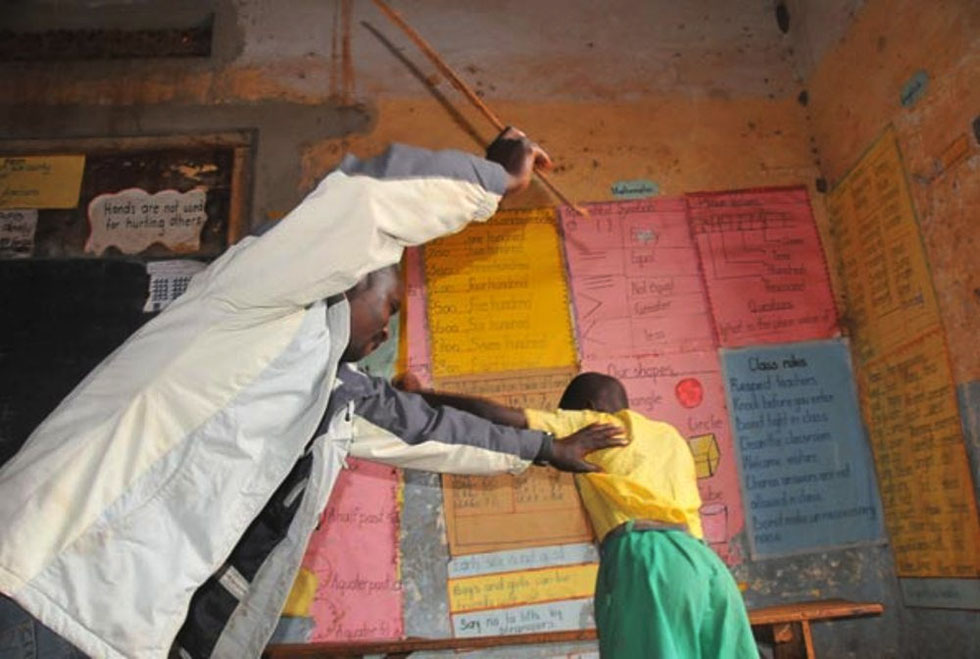
FEW issues stir as much debate in Zimbabwean education as corporal punishment.
For generations, the rod was regarded as the ultimate symbol of discipline — a tool wielded by teachers with the blessings of parents who believed that pain could mould character.
Yet, in the modern classroom, the practice collides with the language of rights, dignity and child protection.
The question remains: Can schools produce disciplined, responsible citizens without the sting of the cane?
Law versus tradition
The legal framework is clear.
Corporal punishment has been outlawed through amendments to the Education Act, with courts consistently ruling against teachers and parents who resort to physical discipline.
Several have faced prosecution for violating children’s rights.
The Ministry of Primary and Secondary Education has reinforced this position, encouraging innovative and lawful methods of discipline that foster self-respect among learners.
Still, tradition lingers.
Parents in many communities continue to instruct teachers to “beat my child if he misbehaves”, reflecting a cultural conviction that discipline must be enforced physically.
This tension between statutory law and cultural expectation creates a dilemma for educators caught between compliance and community pressure.
When counselling falls short
Counselling and guidance programmes were introduced to replace corporal punishment, aiming to nurture self-discipline through dialogue and mentorship.
These methods emphasise respect, accountability and personal growth.
However, many teachers argue that such measures sometimes fail to curb persistent mischief.
Some learners, emboldened by the knowledge that they cannot be beaten, push boundaries, misusing the language of human rights to resist correction.
A stern word or disciplinary measure is quickly labelled “abuse”, leaving teachers frustrated and powerless.
The unintended consequence is a classroom where authority is undermined and learning disrupted.
Voices of authority
Political leaders have not remained silent.
President Mnangagwa has expressed concern over mischievous children, noting that strict discipline is essential for shaping character.
Importantly, he has not authorised corporal punishment but has highlighted the need for firm corrective measures.
Across the Atlantic, United States President Donald Trump has voiced similar concerns about disruptive learners, urging stricter discipline in schools.
These statements reflect a broader global unease: How can societies balance the protection of children with the need for order in classrooms?
Biblical mandate
Religion adds another layer to the debate.
Zimbabwe is a predominantly Christian nation, and many believers cite the phrase “Spare the rod and spoil the child”, which expresses the same thought found in Proverbs 13:24 — “He who spares the rod hates his son . . .”
For them, corporal punishment is not merely cultural but spiritual — a divine principle for raising responsible children.
They argue that without the rod, many learners drift into wayward behaviour, disrespect authority and undermine the moral fabric of society.
The case for rights
Child rights advocates, however, insist that physical punishment is outdated and harmful.
Research shows that corporal punishment can breed resentment, fear and long-term psychological scars.
They argue that discipline should be about guidance, not pain; about building respect, not instilling fear.
To them, the rod belongs to history and the future lies in restorative practices that teach accountability without violence.
The challenge, therefore, is to find balance.
Respecting children’s rights does not mean tolerating indiscipline.
Equally, upholding tradition should not justify cruelty.
What is needed is a nuanced approach: Clear rules, consistent enforcement and creative alternatives to punishment. Restorative justice, peer mentoring and structured discipline frameworks can help schools maintain order while protecting dignity.
Teachers must be trained in these methods and parents must be engaged to understand that discipline is not synonymous with beating.
The debate over corporal punishment is not simply about rods and rights; it is about the kind of citizens Zimbabwe wishes to produce.
A disciplined learner is not one who fears pain, but one who respects authority and values responsibility.
The task before educators, parents and policymakers is to craft a system that instils discipline without violating dignity. Tradition and modernity need not be enemies; they can be woven together to create classrooms where respect, order and humanity coexist.
Will Zimbabwe’s classrooms remain battlegrounds between rods and rights or can a new path of discipline with dignity be forged?
Gabriel Manyeruke is an author and educator at Wise Owl High School in Marondera. Contact details: 0774122288, [email protected]