Farai Magombedze
WALKING through the bustling streets of Harare, Bulawayo, or Mutare on any given Sunday, one is struck by the sheer volume of religious fervour.
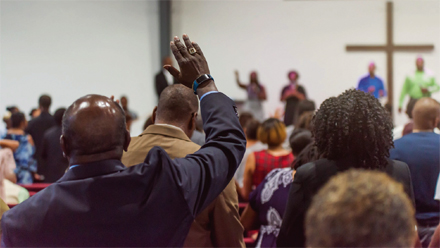
Massive tents, converted warehouses, and stadium-sized auditoriums overflow with thousands of hopeful citizens.
For many, these gatherings are no longer merely sanctuaries for spiritual renewal – they have become desperate marketplaces for financial salvation.
Across Zimbabwe, a toxic strain of the prosperity gospel has taken root. Led by charismatic self-styled prophets, this movement preaches that wealth is not the product of innovation, sweat, or disciplined saving, but rather a miraculous by-product of blind faith, “seed” offerings, and spiritual declarations.
In an economy grappling with structural challenges, currency volatility, and high unemployment, the promise of “miracle money” — cash appearing out of thin air into bank accounts or wallets — is intoxicating.
Yet, beneath the flashy suits and deafening testimonies lies a profound threat to Zimbabwe’s economic future – the systematic erosion of the entrepreneurial spirit.
To understand the danger of the miracle money phenomenon, one must look at the psychological shift it enforces on its adherents.
True entrepreneurship requires a sober assessment of reality. It demands identifying a market need, taking calculated risks, enduring initial losses, and grinding through long hours of unglamorous labour.
The prosperity gospel, in its most extreme forms, actively vilifies this process. In many modern pulpits, hard work is subtly — and sometimes overtly — dismissed as a lack of faith. Congregants are told that toiling endlessly is a curse, whereas the “anointed” bypass the laws of economics through supernatural shortcuts.
When a young graduate believes that sowing their last US$20 at an altar will yield a miraculous financial breakthrough, they are robbed of both their scarce capital and their agency.
Instead of investing in a small poultry project, learning a digital skill, or pooling resources with peers to start a cooperative, thousands are funnelling their meagre savings into the coffers of religious entrepreneurs.
The only thriving businesses in this ecosystem are the ministries themselves, which operate on a lucrative, tax-free model fuelled by the desperation of the poor.
History offers a stark contrast to this modern African dilemma.
If we look at the economic trajectory of Western Europe and North America following the Protestant Reformation, we find that religion was not an opiate that dulled economic ambition, but the very engine that drove modern capitalism.
In his seminal 1905 work, The Protestant Ethic and the Spirit of Capitalism, sociologist Max Weber, detailed how the teachings of John Calvin and the subsequent Puritan movements fundamentally transformed work and business ethics.
Calvinism introduced the concept of the “calling”— the radical idea that secular work was just as sacred as monastic prayer.
A shoemaker, merchant, or a blacksmith could glorify God not by retreating from the world or waiting for miracles, but by excelling at their craft with honesty, diligence, and discipline.
Crucially, the Calvinist ethos preached frugality and delayed gratification. While prosperity was viewed as a sign of God’s favour, ostentatious display and lavish consumption were condemned as sinful. Wealth was not meant to be squandered on luxury – but was meant to be reinvested into productive enterprises.
This cultural software created a generation of disciplined entrepreneurs across nations like the Netherlands, Britain, and the United States.
They built banks, factories, and trading companies not through prophetic decrees, but through meticulous bookkeeping, relentless innovation, and an unwavering commitment to the dignity of labour.
Zimbabwe does not lack intelligence, resilience, or resources.
From the fertile soils of Manicaland to the mineral wealth of the Great Dyke, the nation possesses the raw ingredients for immense prosperity. What is currently under siege is the mindset required to unlock that potential.
Yet, when a society becomes conditioned to expect supernatural windfalls, the crucial virtues of patience, financial literacy, and accountability wither away.
Why spend five years building a sustainable manufacturing enterprise when a prophet promises a mansion by December? Why study market trends and customer service when success is attributed entirely to spiritual favour; and failure is blamed on “generational curses” or “witches” rather than poor business management? This fatalistic worldview is poison to a developing economy.
It breeds a culture of dependency rather than self-reliance. Worse still, it fosters a tolerance for corruption and unethical shortcuts.
If wealth is viewed as something acquired without proportional effort, the moral barrier between “miracle money” and illicit enrichment begins to blur.
For Zimbabwe to achieve genuine, broad-based economic transformation, a cultural and theological course correction is urgently needed.
The church, which holds immense influence over the daily lives of millions, must reclaim a theology of work that mirrors the productive ethos of the Reformation rather than the predatory illusions of the prosperity cult.
Religious leaders must begin preaching that God blesses the work of human hands — not idle wishes. Faith should be framed as the courage to step out, innovate, and persevere through business failures, rather than a magic wand that eliminates the need for effort.
At the same time, young Zimbabweans must awaken to the reality that no prophet can bypass the fundamental laws of economics.
True wealth is built brick-by-brick, transaction by transaction, and innovation by innovation.
The miracle Zimbabwe needs will not fall from the sky during an all-night prayer vigil.
It will be forged in workshops, farms, tech hubs, and bustling markets by citizens who understand that hard work is not a curse — but the most reliable path to liberation.
Farai Magombedze is an independent development consultant. He writes in his personal capacity. He can be conducted at 0772 749 214